
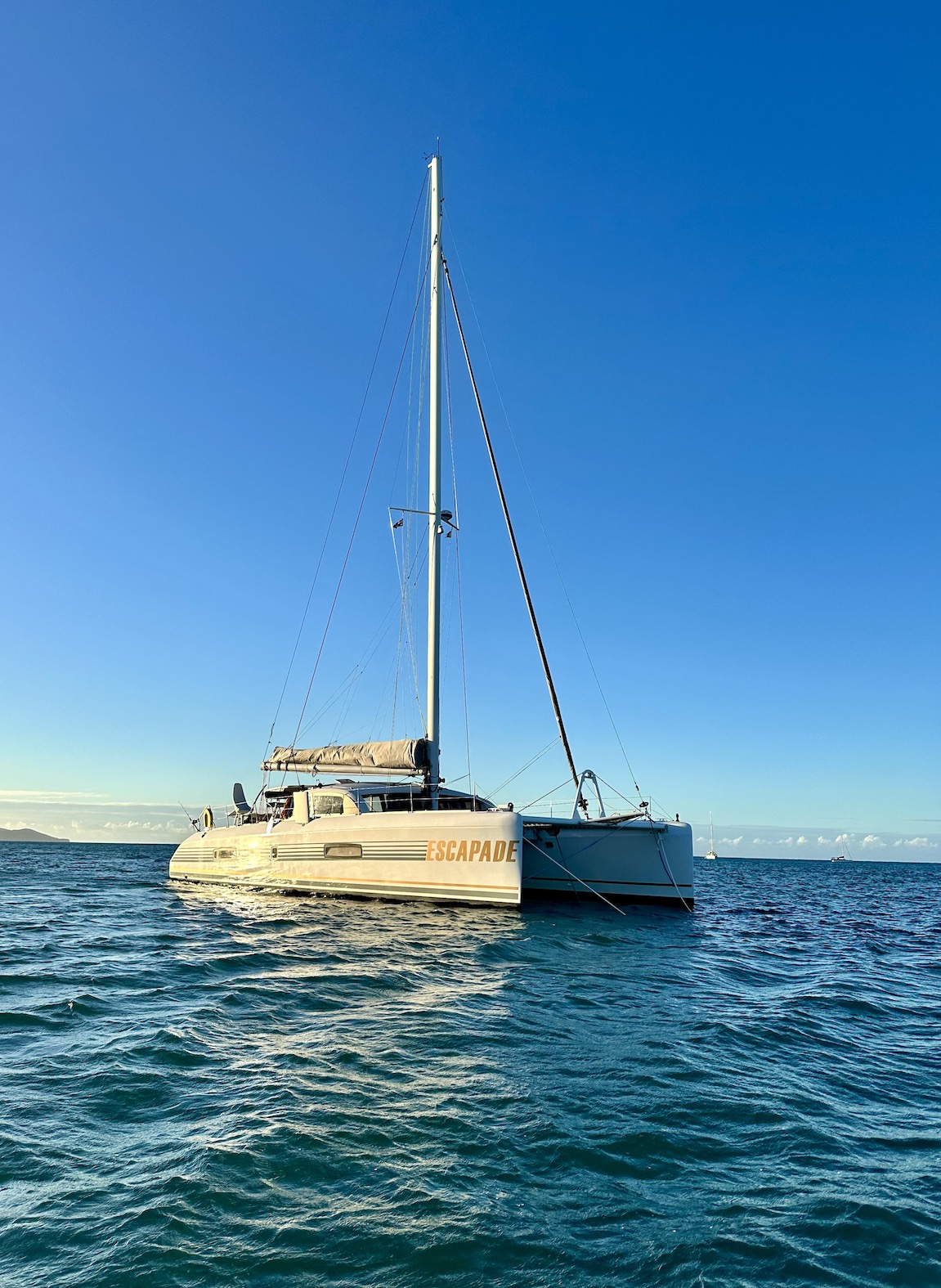
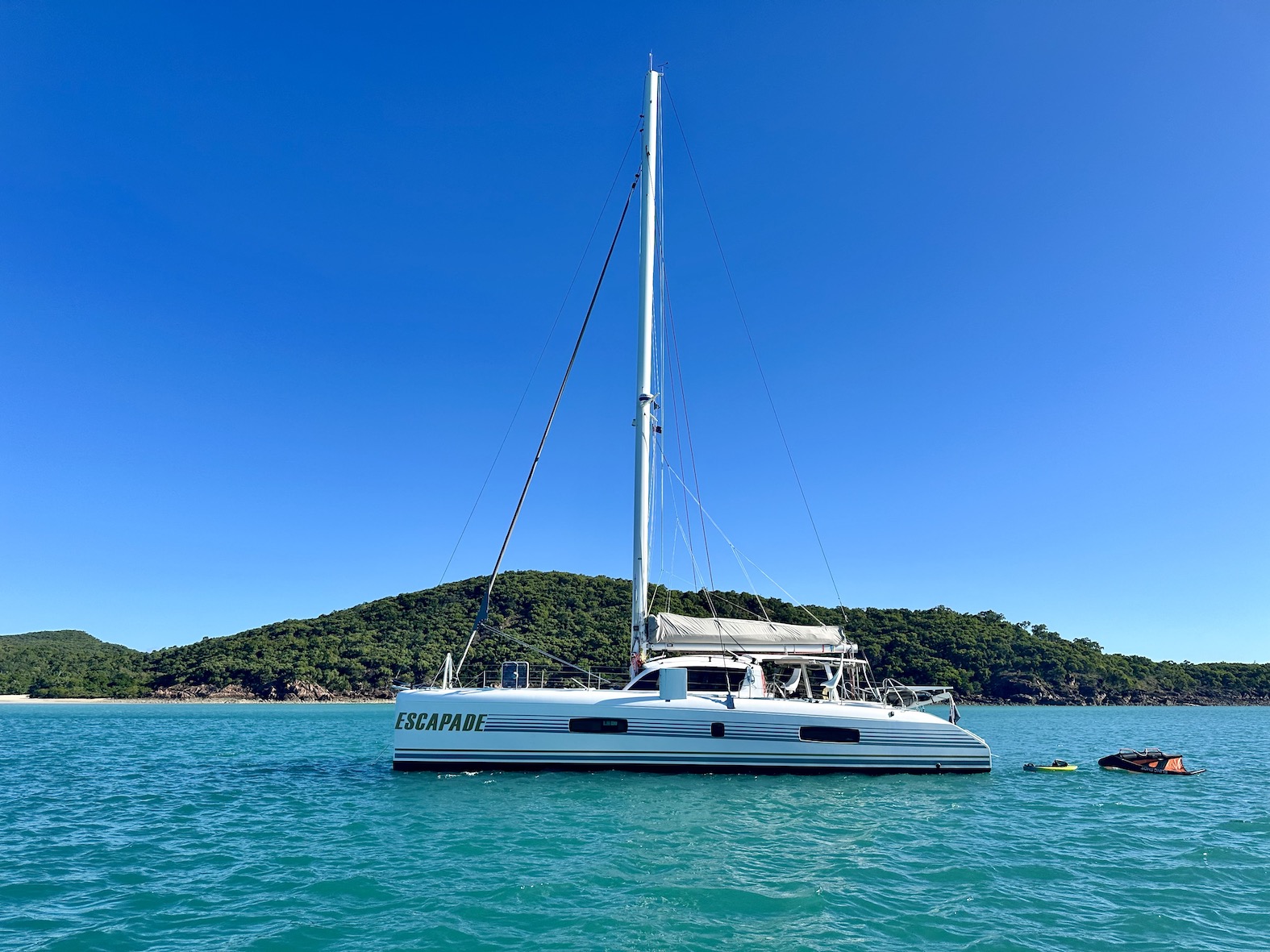
We’ve been sailing past those green hills for hundreds of miles, now we’re keen to see a bit of the hinterland. Escapade is on a quiet river mooring upstream from Cairns and we have hit the open road in a whacking great land yacht.

Our circuit of the sunlit uplands took us out to waterfall country. The air’s different up at 700m above sea level, quite cold at night but we are lucky with endless blue skies now.

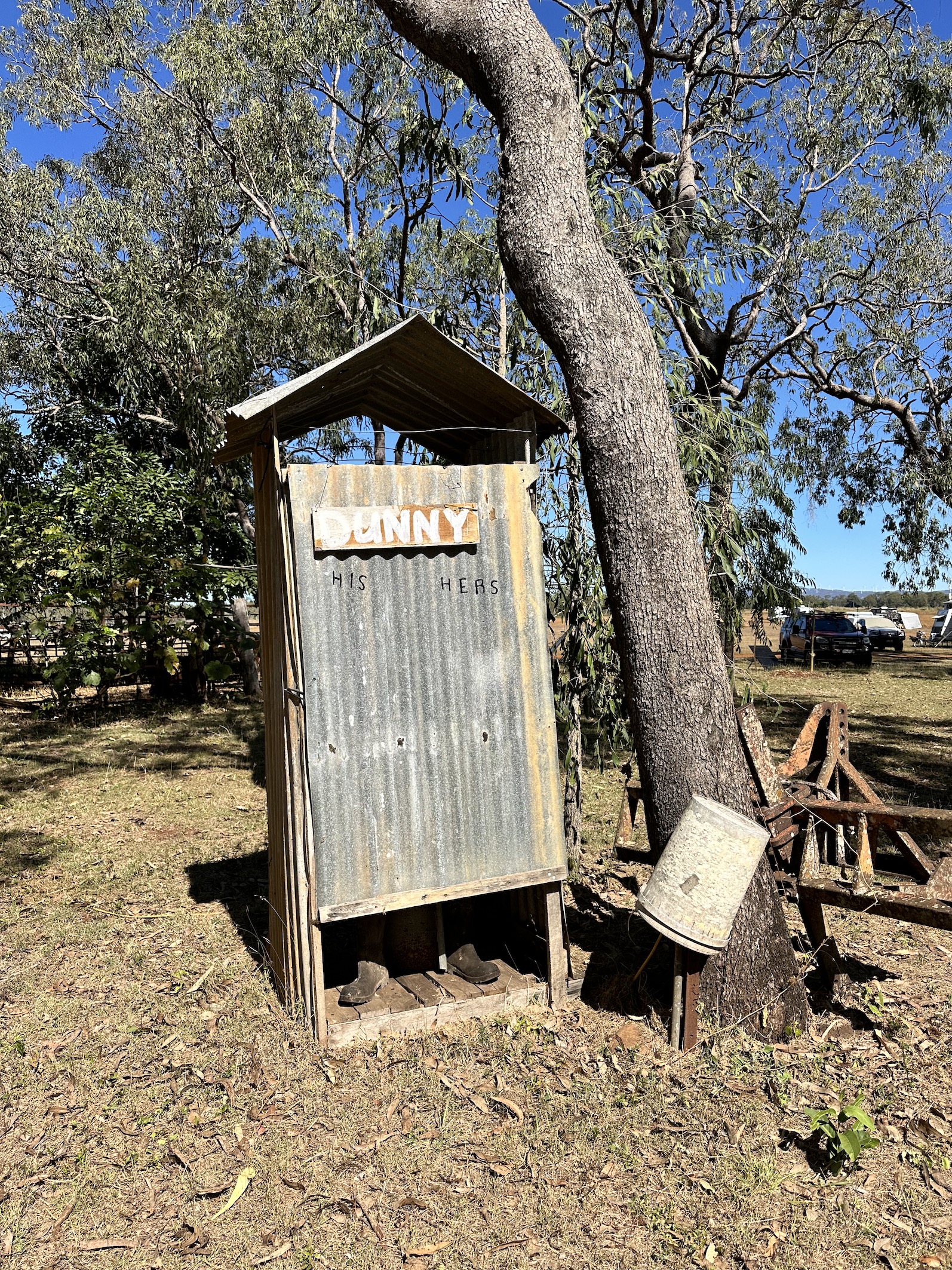
Cooking on the campfire one night, we baked a couple of these in the embers.

Air Potatoes! Never heard of these. They are potatoes that grow on a vine, in the sky.
They look, cook and taste just like the underground version. Every day’s a school day.

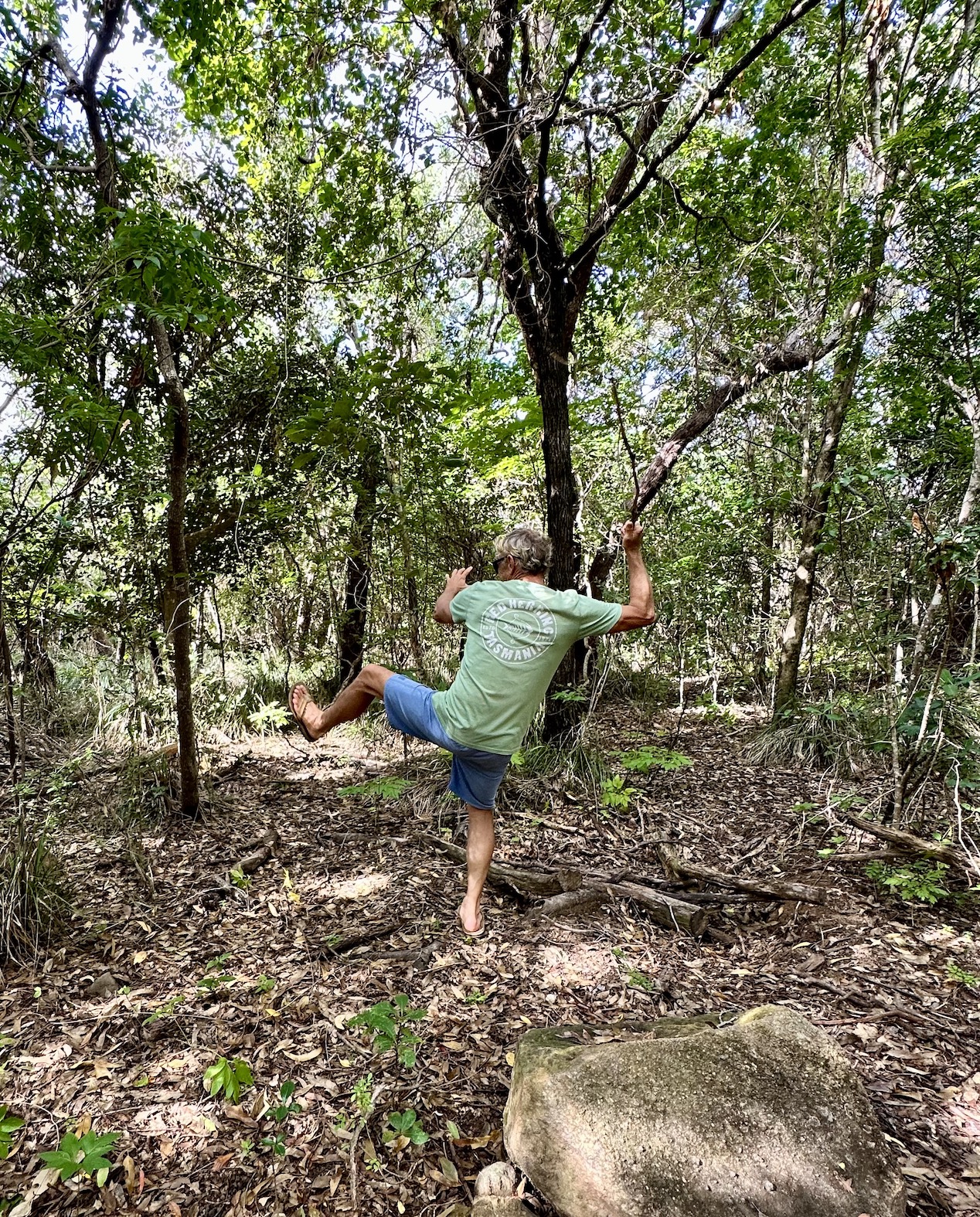
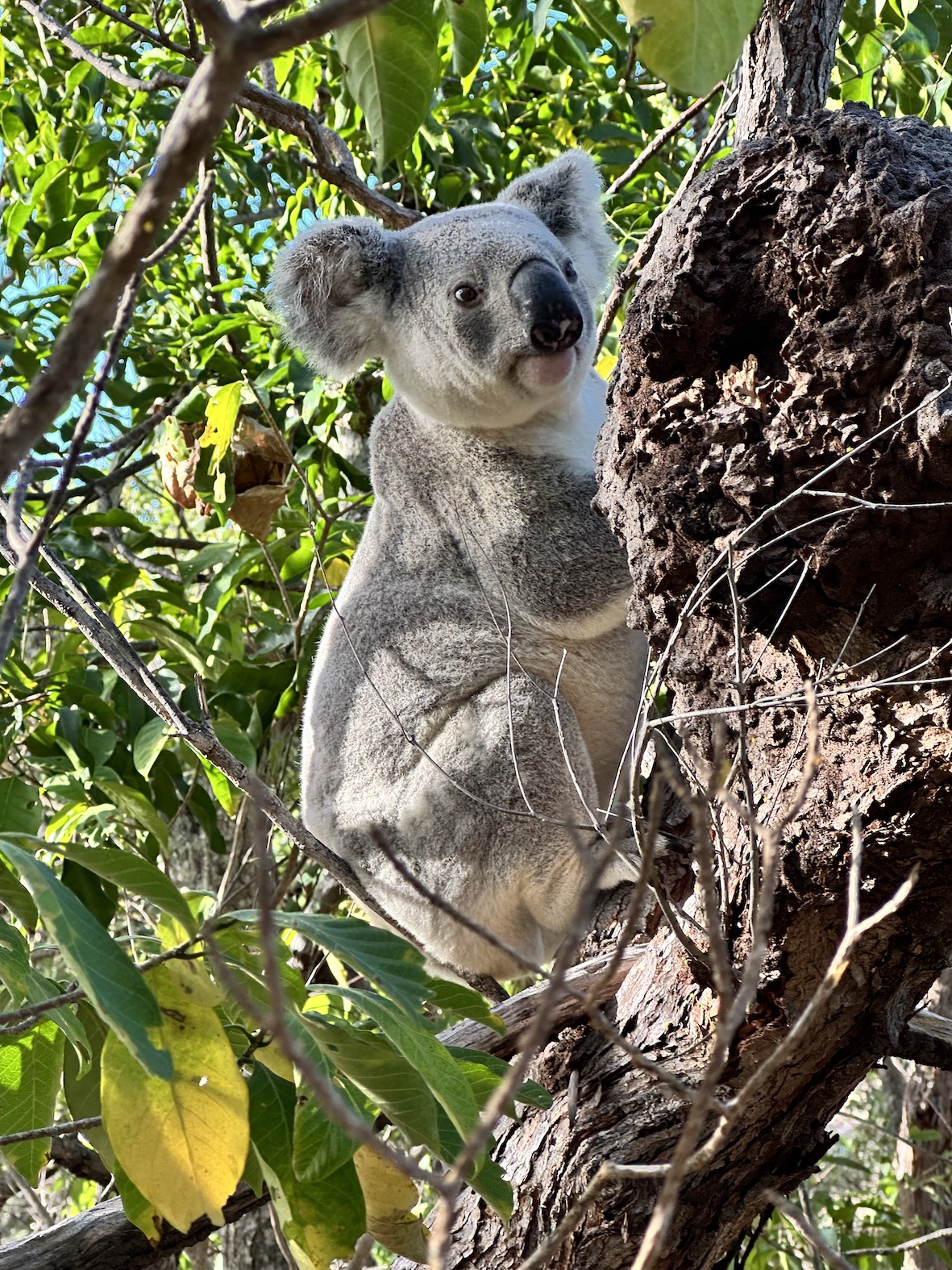
We met our first tree kangaroo early one morning. Just off a forest path, busy eating a fruit with his dextrous front paws. A kangaroo that can climb a tree! He was small, with big eyes and big pink ears. Too shy to have his photo taken. But this is where he lives.

Next stop was a cattle ranch on the Atherton Tablelands, where the owner Dave cooked us his secret recipe ‘damper’ in the campfire, told his stories and sang his songs under the stars.



One morning we were up before the sun for our first trip in a hot air balloon.


With the sky just lightening the first balloon was untethered and floated away. Our balloon followed, the wicker basket started to move, gently unstuck itself from the grass, and from gravity, and up we went.
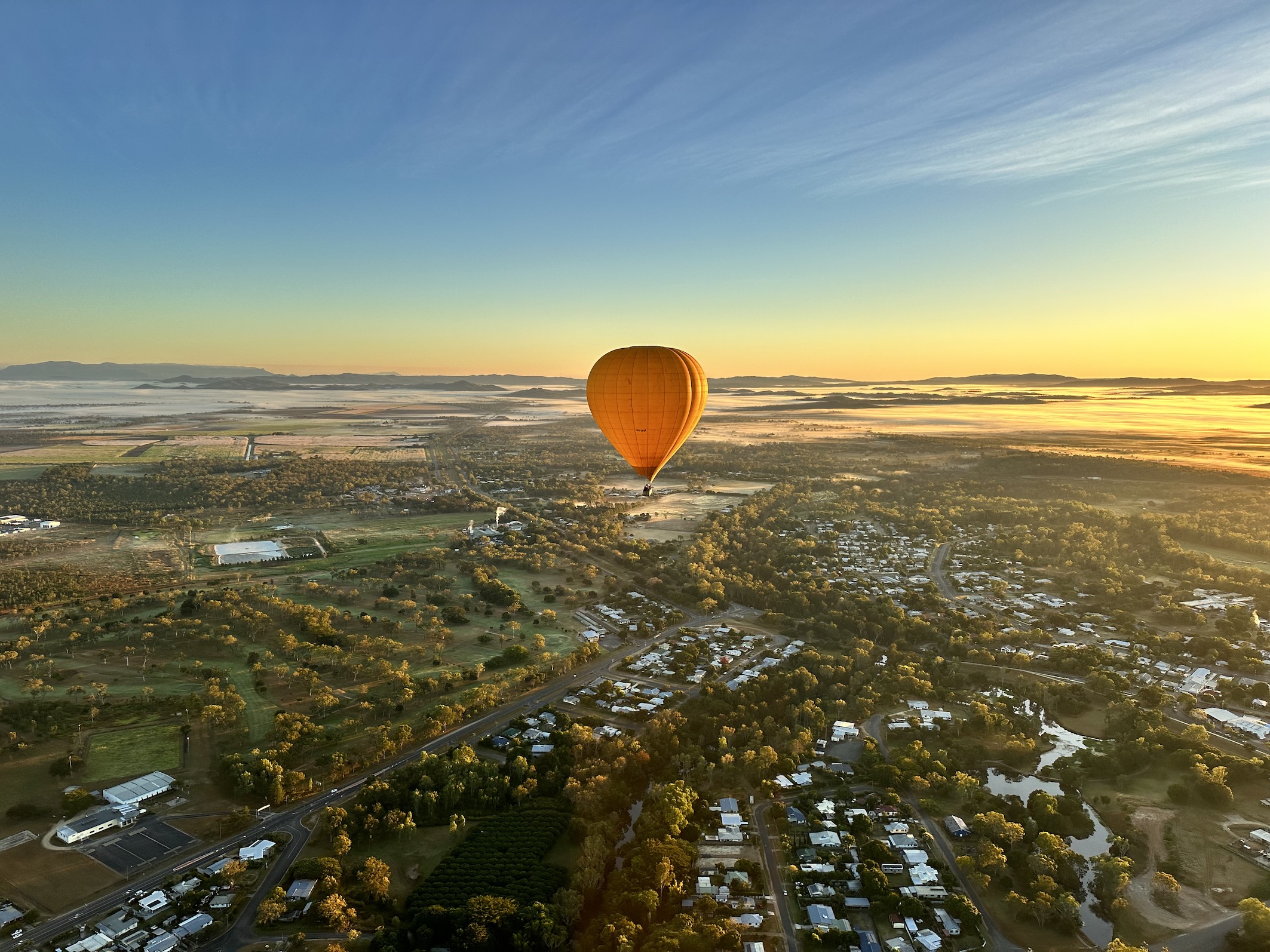
A very peaceful way to travel, watching the bush pass below, kangaroos spooked by our silent approach. It had never really occurred to me that these aircraft have no way of steering. At all. Bob the pilot said he could go up and down to find layers of air with slightly different wind directions, but there’s no rudder. You are going wherever the wind sends you, while the ground crew chase around below trying to figure out where you will end up. In this case a very narrow strip of grass between rows of trees and a railway line. Bob skilfully brought us bouncing back to earth.

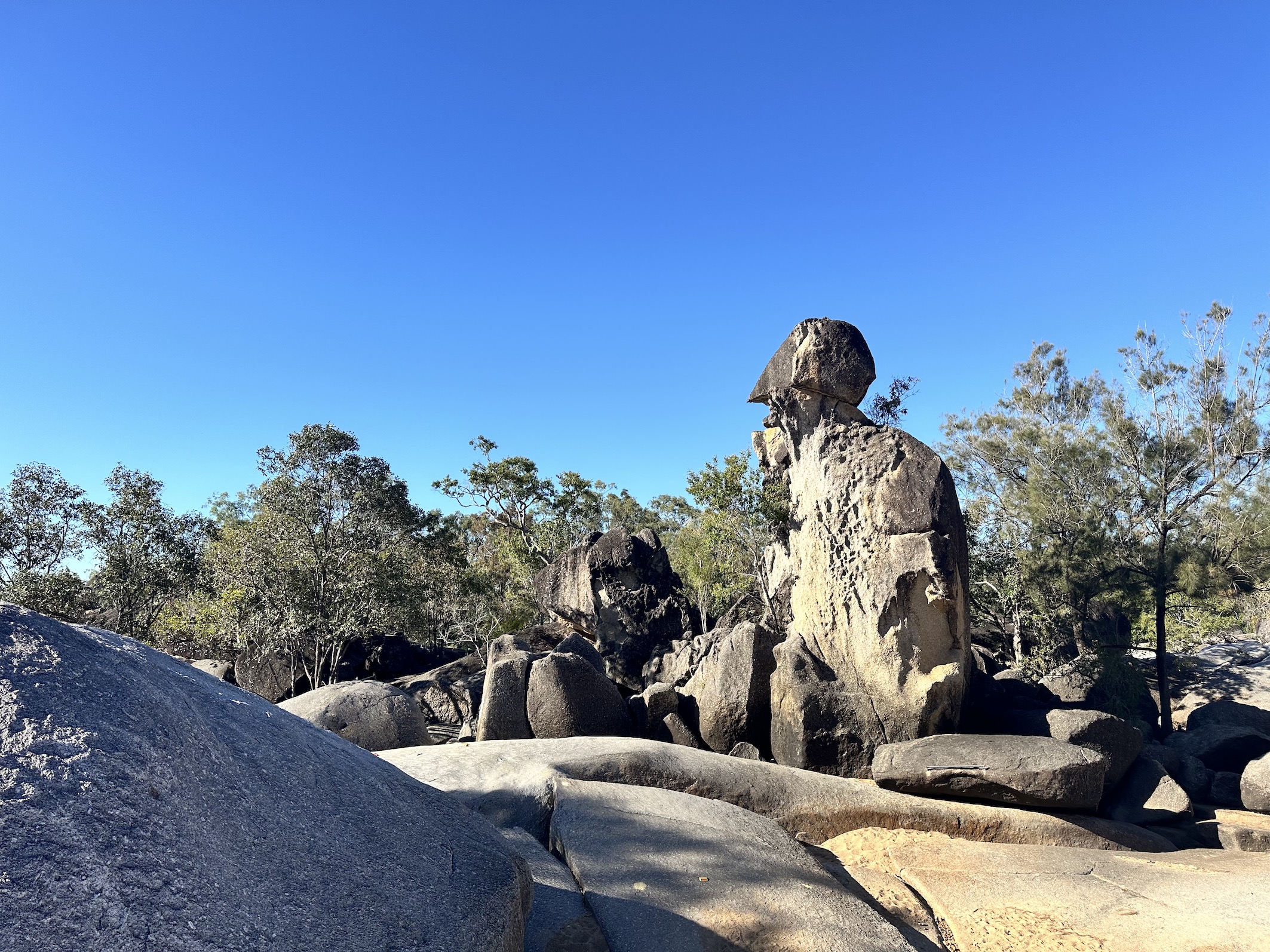
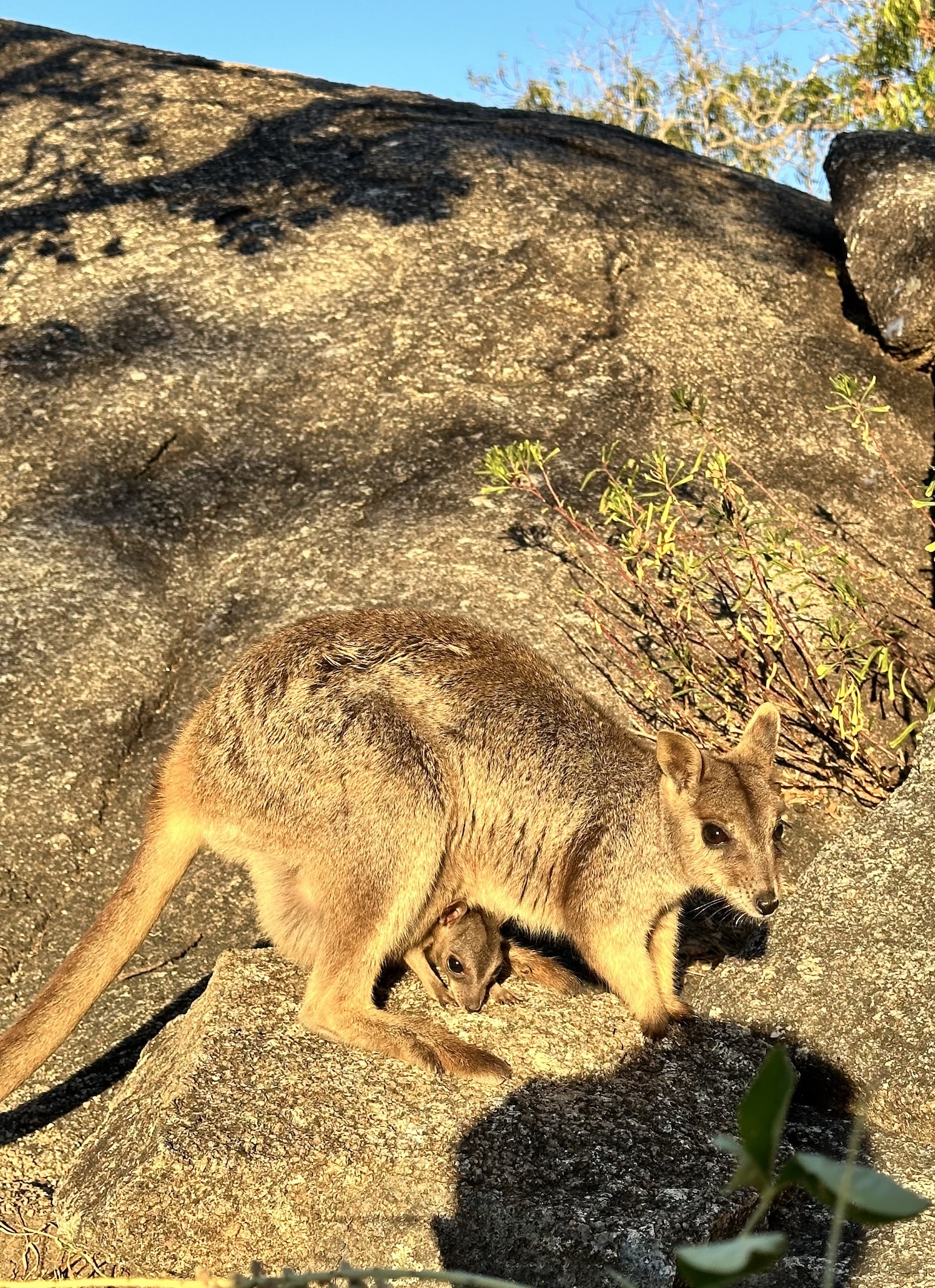
Next campsite was in a huge granite gorge full of friendly rock wallabies.


Here’s Mama with baby Joey riding in her pouch.
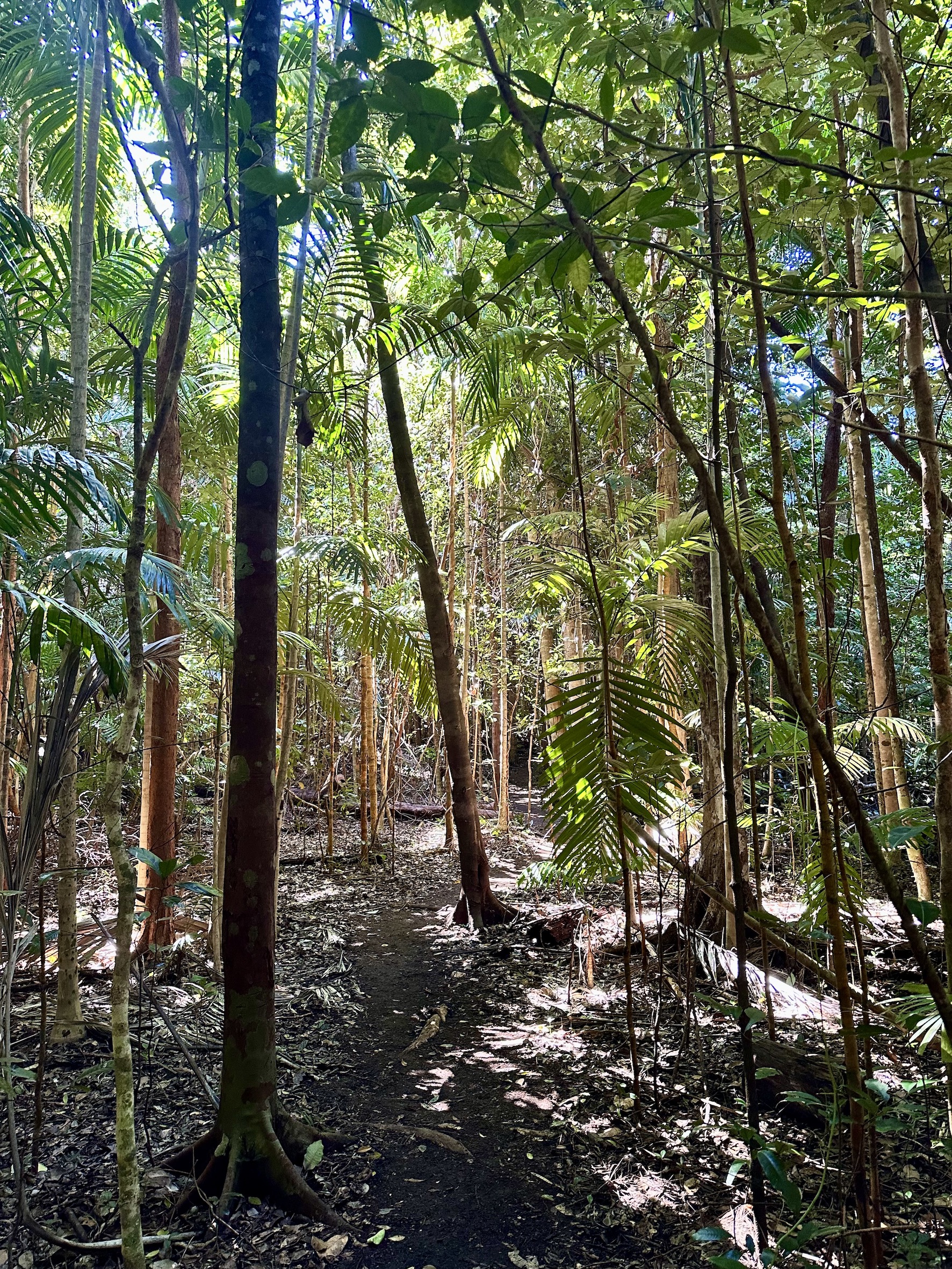
Then into the jungle at Mossman Gorge, the world’s oldest rainforest. Wow. What a magical place.

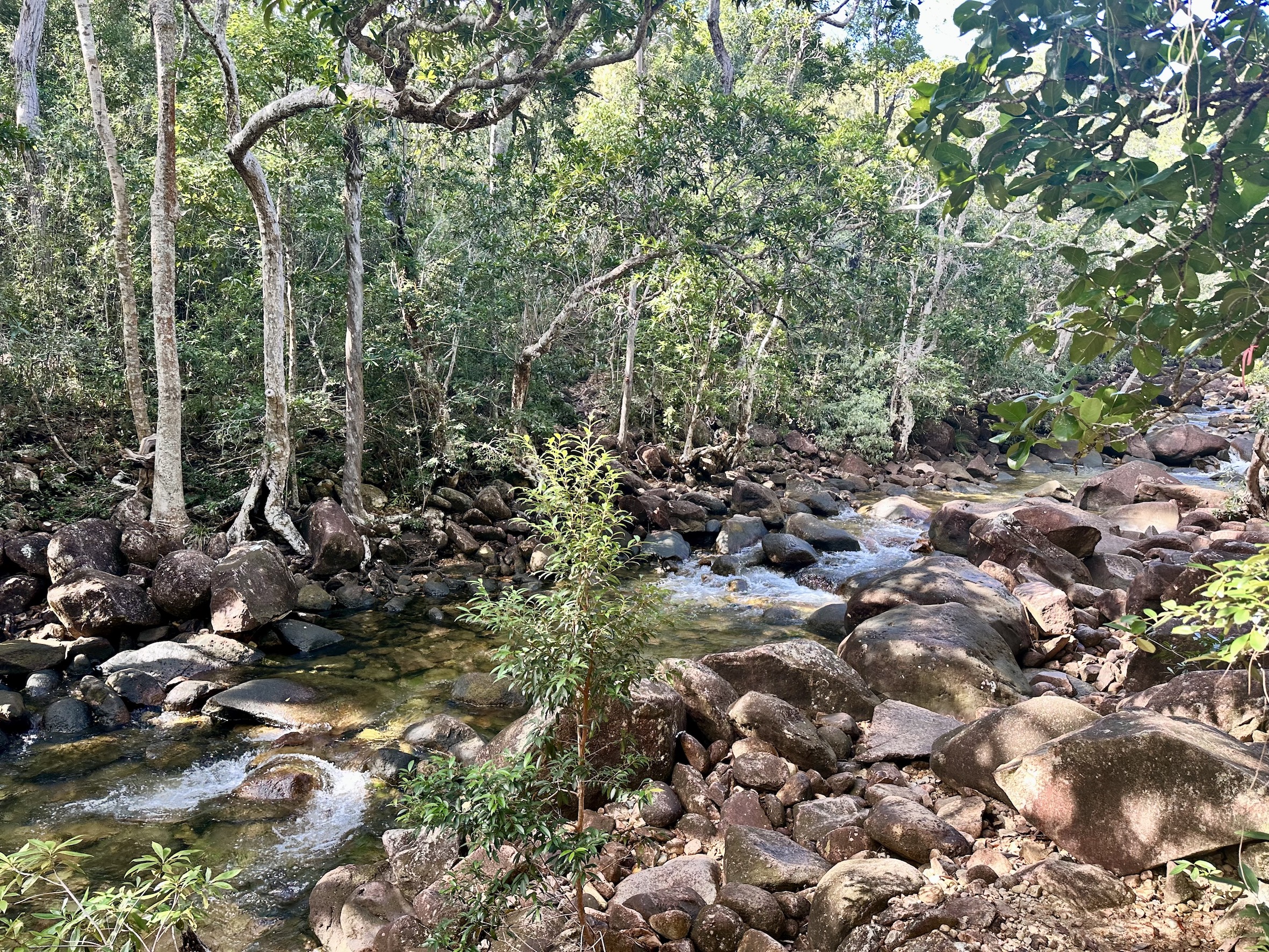
Whitewater gushing through giant boulders, enormous trees with buttressed roots and ’strangler vines’ growing over everything.


A guide from the Kuku Yalanji tribe took us on a bush walk, explaining how his people thrived in this jungle for 50,000 years. That’s a very long strand of human culture. He gave us a glimpse of some of the complex lore handed down. Like how to make poisonous plants edible, how to dam a section of the river and use a tree bark solution to tranquillise the fish in the enclosed water, so they can be caught. When to pay attention to the first blossom of the wattle tree that heralds the start of the yabby season. What sort of boomerang to bring down a tree kangaroo. The complex identity patterns of body paint made using ochre from the river. Which tree sap medicine to treat an open wound. The termite behaviour that is an early warning system for an approaching cyclone. It is very special out there in the boundless green cathedral of a 100 million year old forest. A fascinating afternoon interrupted at one point by an enormous wild cassowary strolling straight towards us.
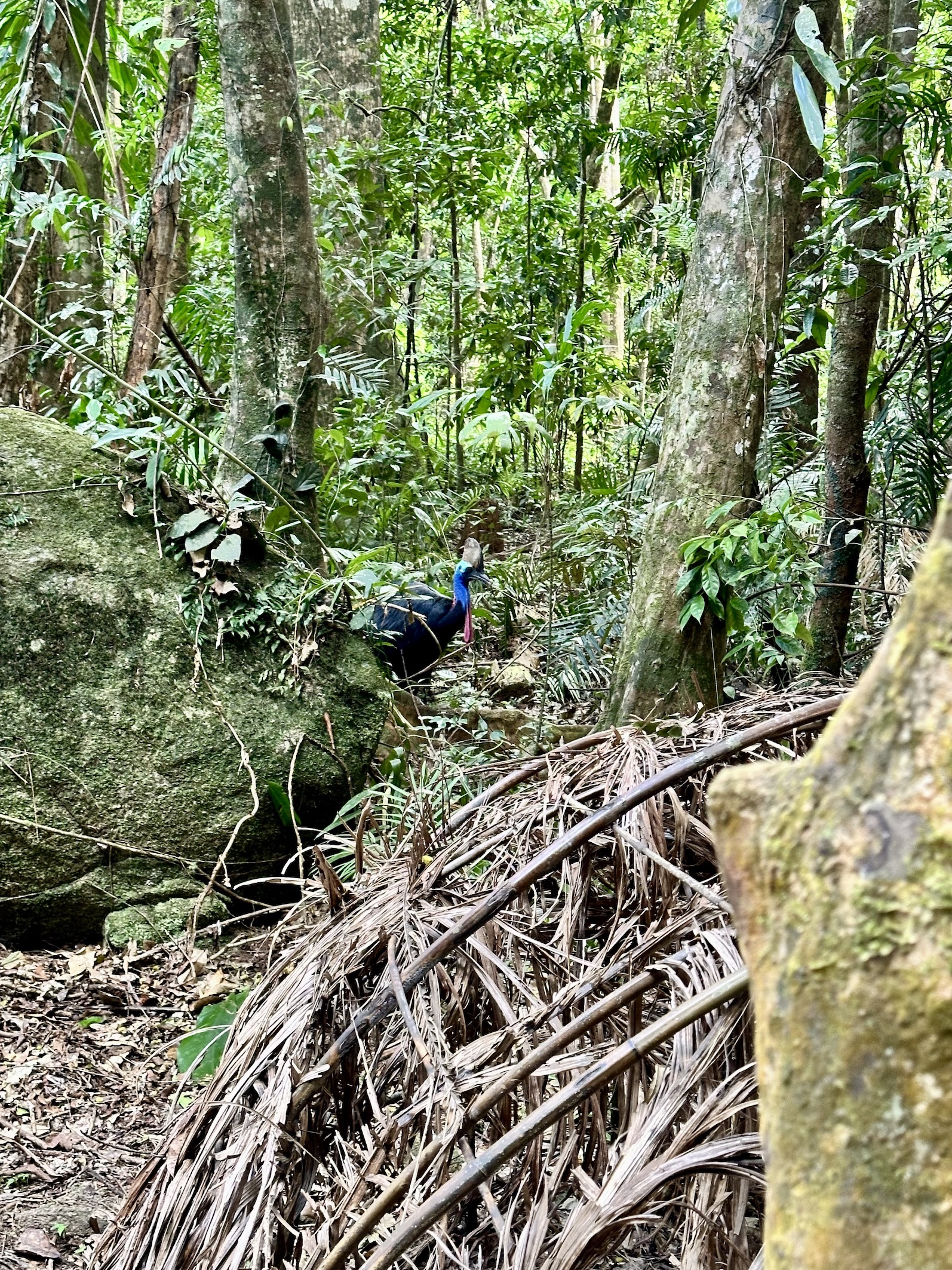
Apparently a female, so not so dangerous as her mate, but we gave her plenty of room as she disappeared again into her green realm.
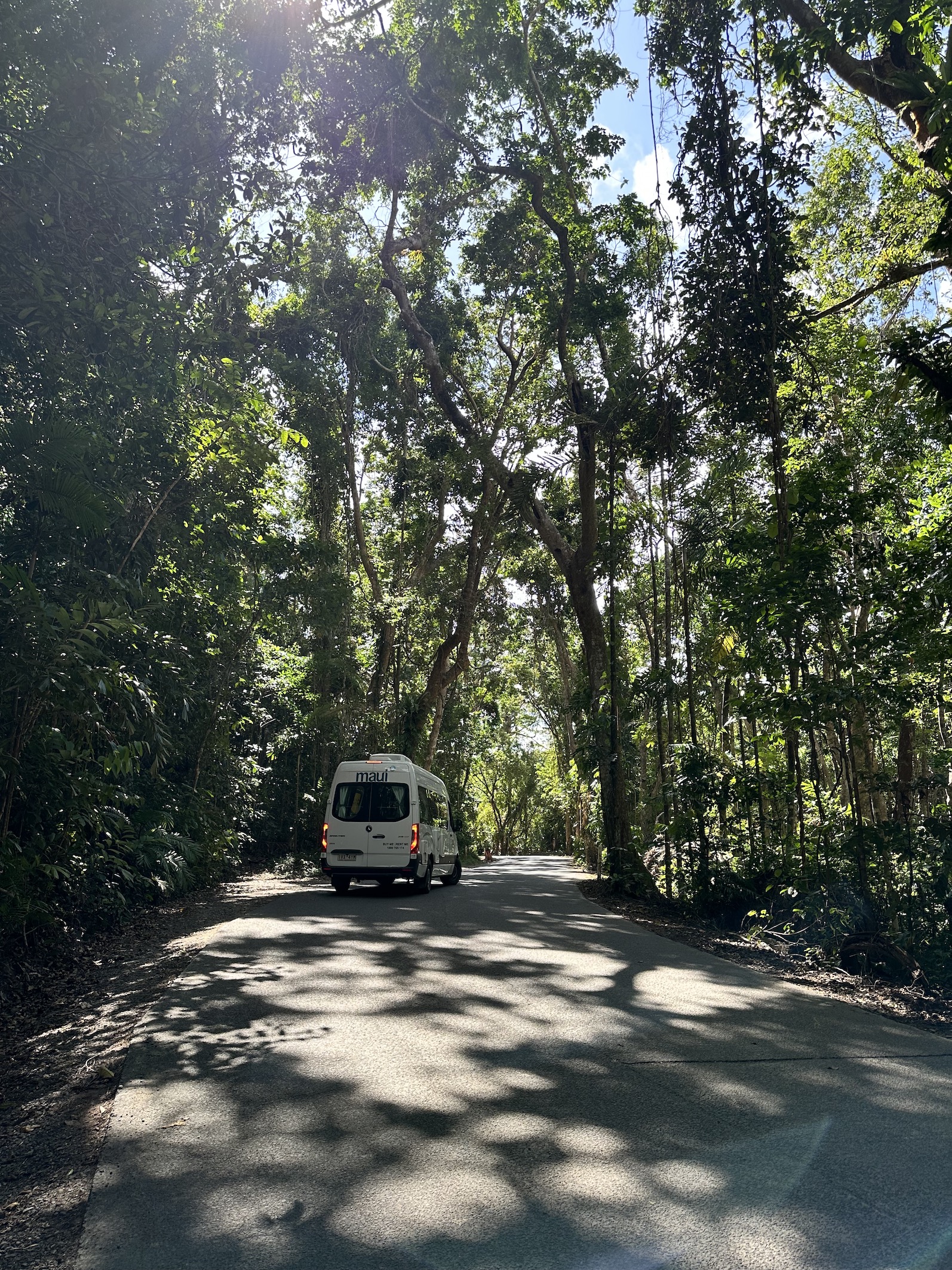

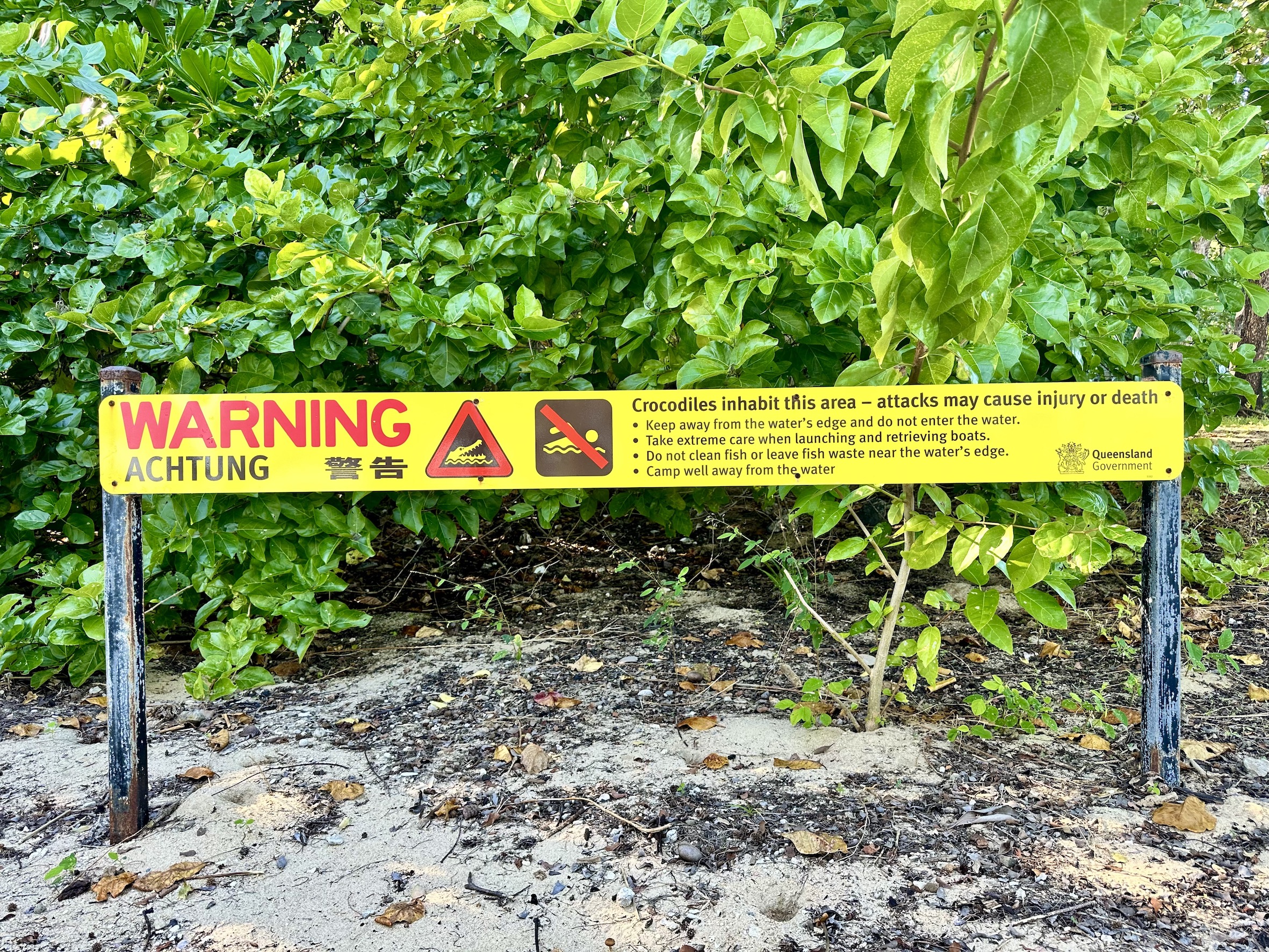
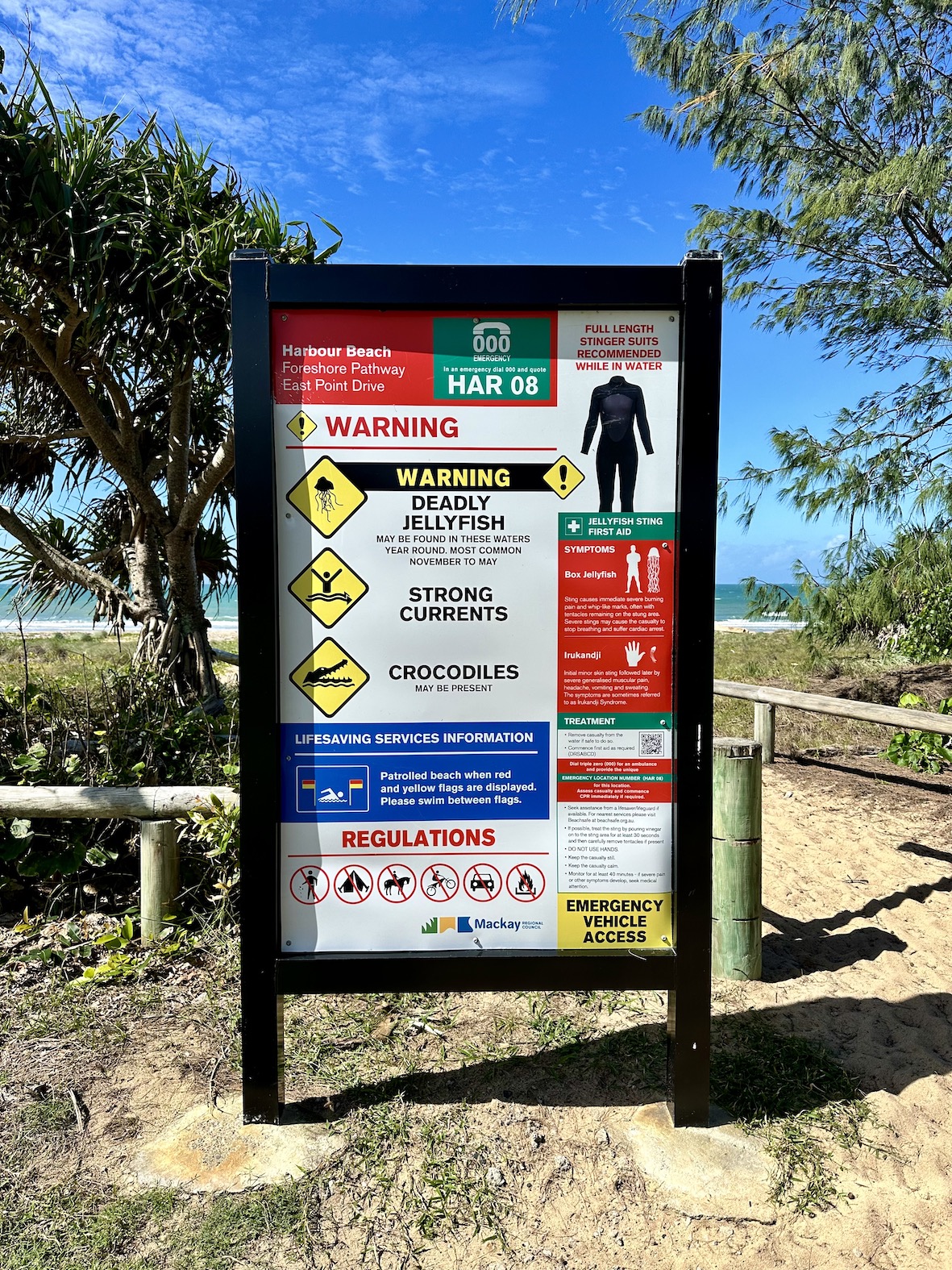
We crossed the Daintree River by ferry and the road north brought us back to the coast. So nice to see the ocean again, shame it’s too dangerous to get in.

Cape Tribulation is about as far north as you can go on the sealed road, and that has only just re-opened after the landslides caused by Cyclone Jasper. (The one that chased us out of New Caledonia in December).
It’s wonderful remote, jungly country up here, and we’re camping right on the beach.
So you may question the karmic wisdom of eating crocodile burgers for lunch.
Well we stopped at the Cape Trib general store/cafe and it’s their house speciality. Actually very delicious, but here’s the thing, how often in life do you get the chance to walk up to the counter, order a crocodile burger and say “and make it snappy”?

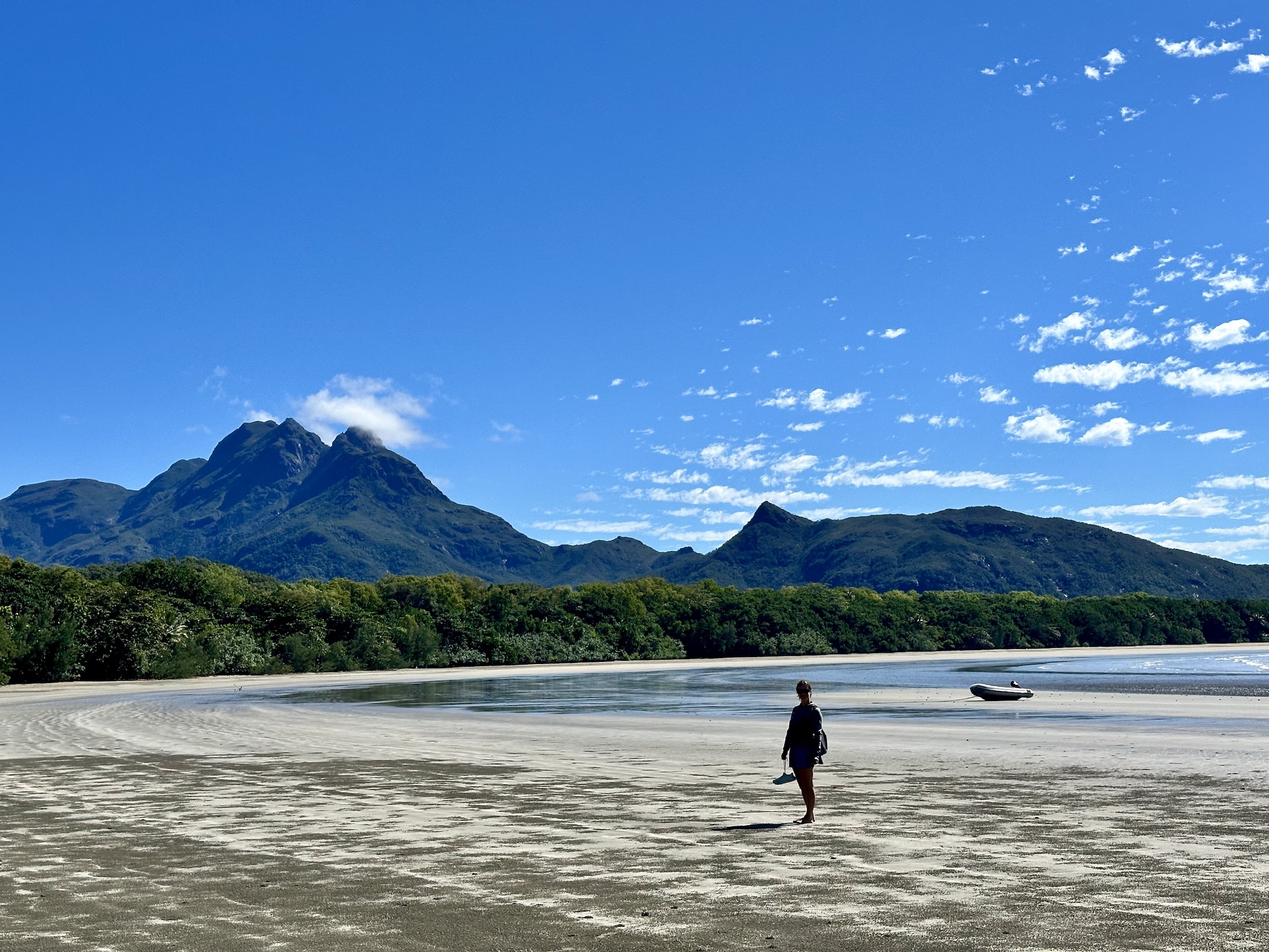
An early run on the beach to the cape and back. All to myself for miles, not another footprint.

Wildlife snap of the day.

It’s a very well camouflaged grasshopper on a tree.

And this is a Golden Orb Weaver spider whose yellow silk web is so strong it has been used as a molecular model for synthetic fibres like kevlar. She’s as big as your hand.

Why did the cassowary cross the road? Possibly to deliver a fatal kick to my abdomen. We stayed in the van.

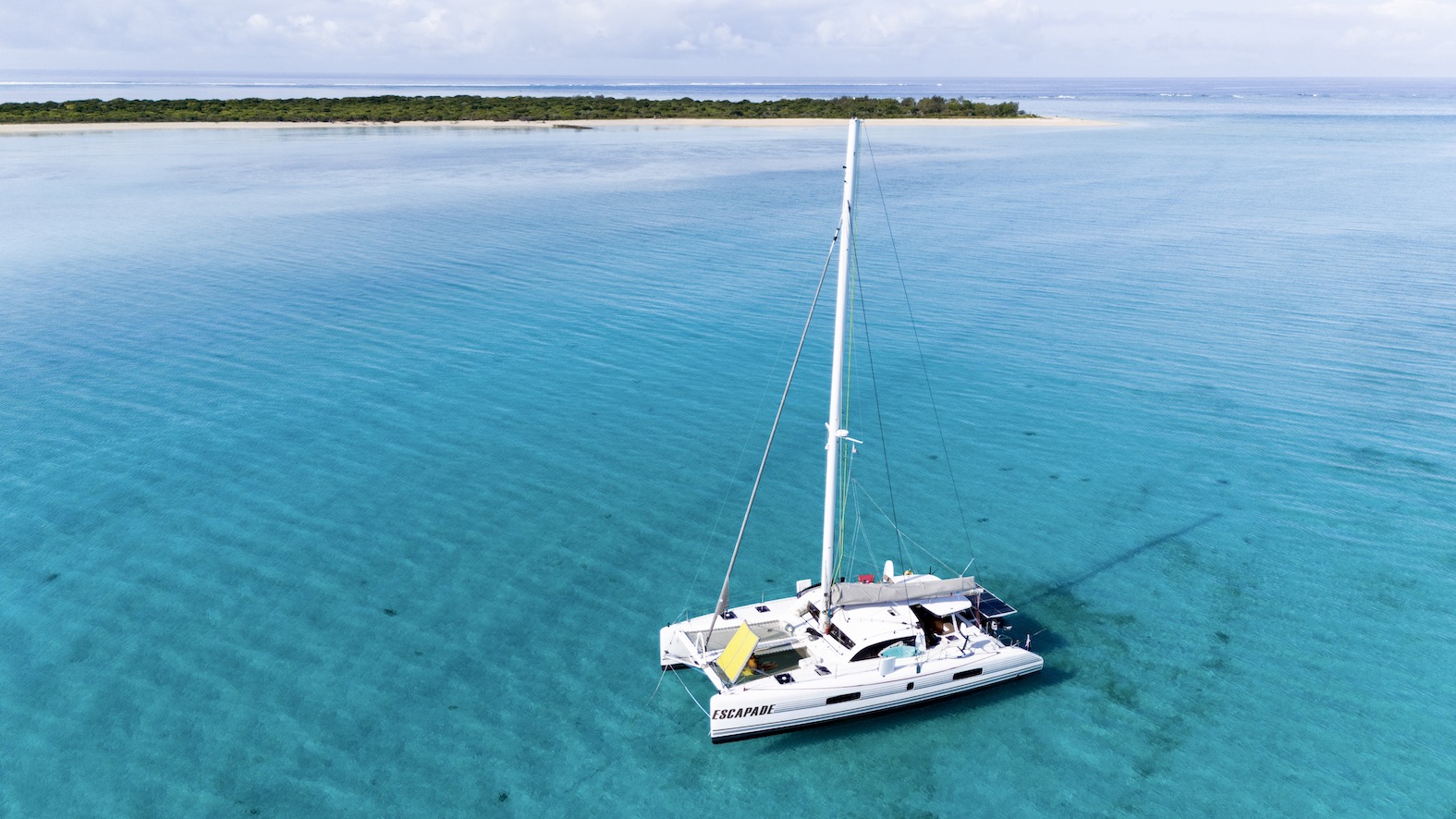
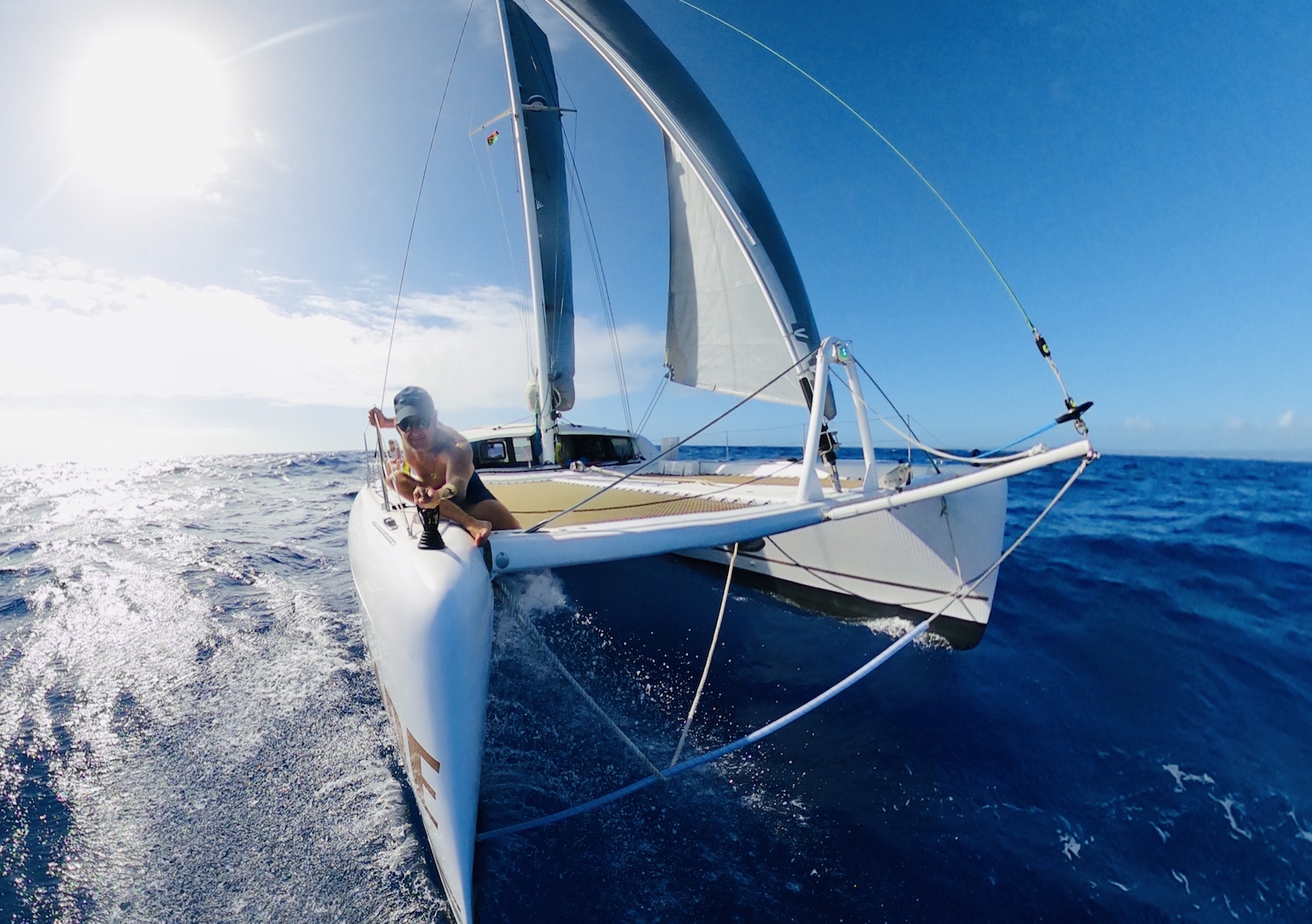
Rod and Rossie joined us in Port Douglas for the weekend and introduced us to Gary, who has a spectacular HH50 catamaran.
She’s an all-carbon build, high performance cruising cat which also identifies as a luxury loft apartment.

So even though we are now technically road-tripping, having a break from all that boating, Dawn found herself press-ganged for a day of speedy sailing to this breezy anchorage.

The boat is fully automated with hydraulics and electronics. Push-button sailing! Out to the Low Isles and back without the need for a winch handle all day.
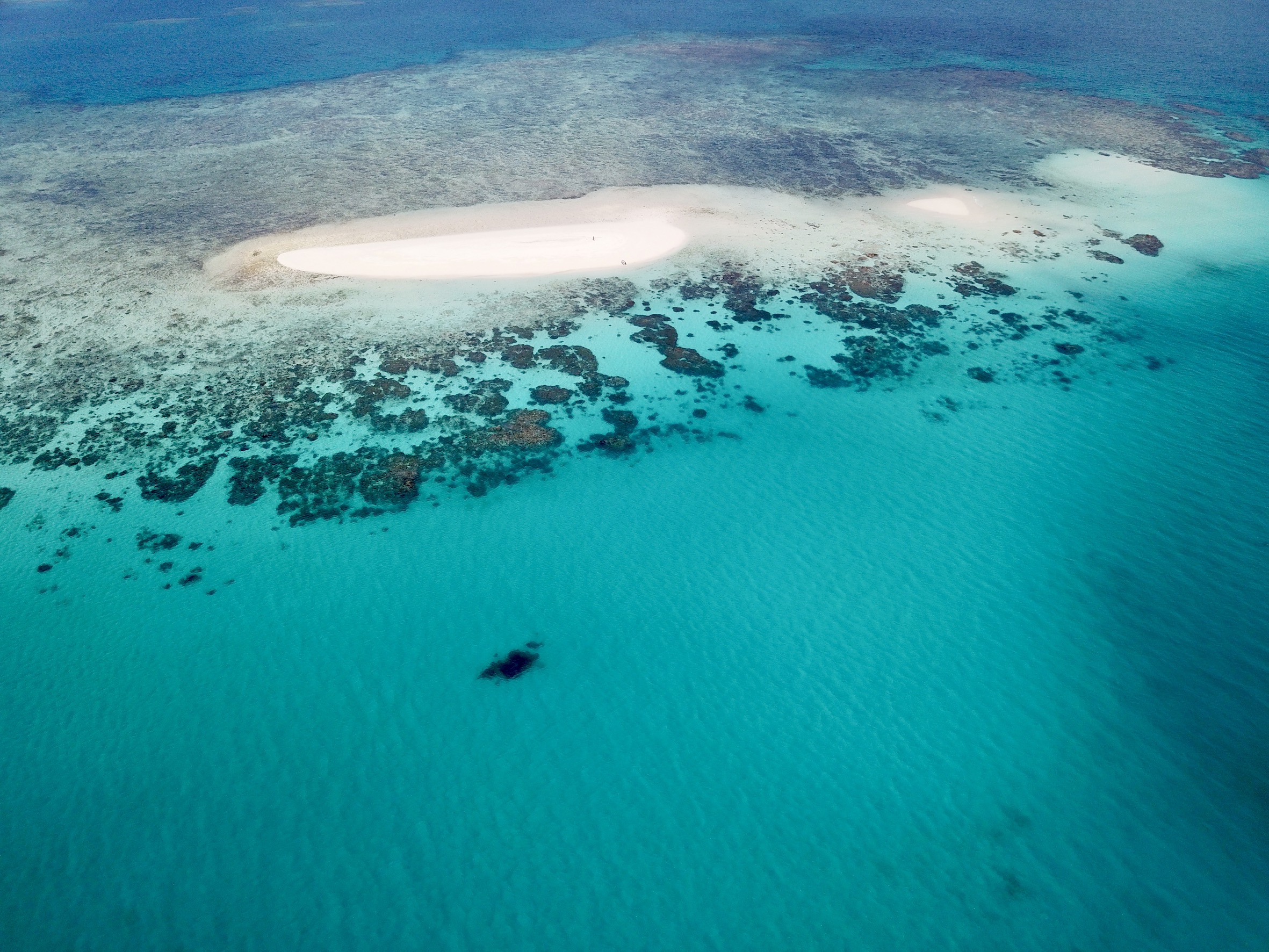
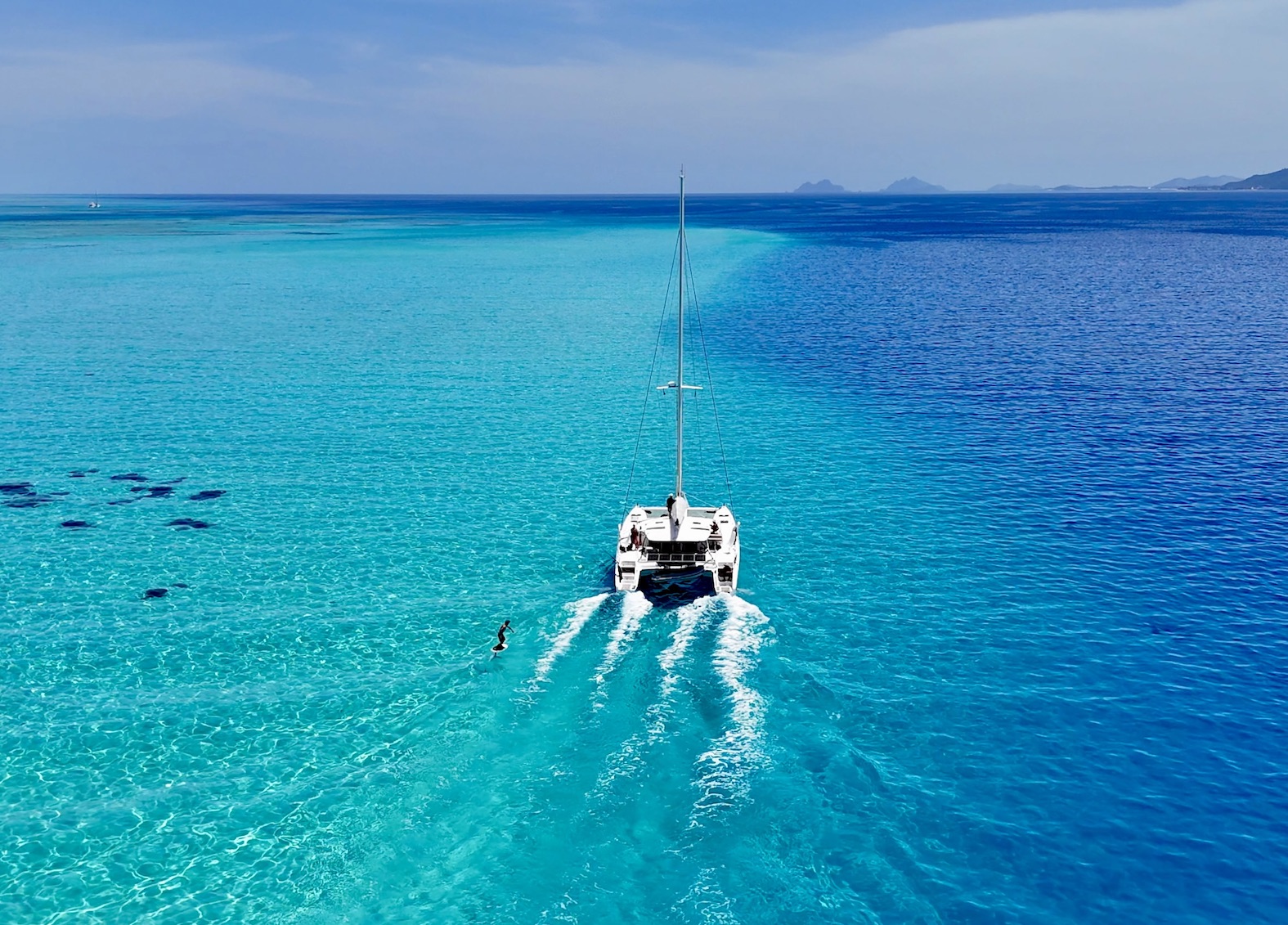
Amazing boat Gary, thanks for the ride! And for this drone shot.

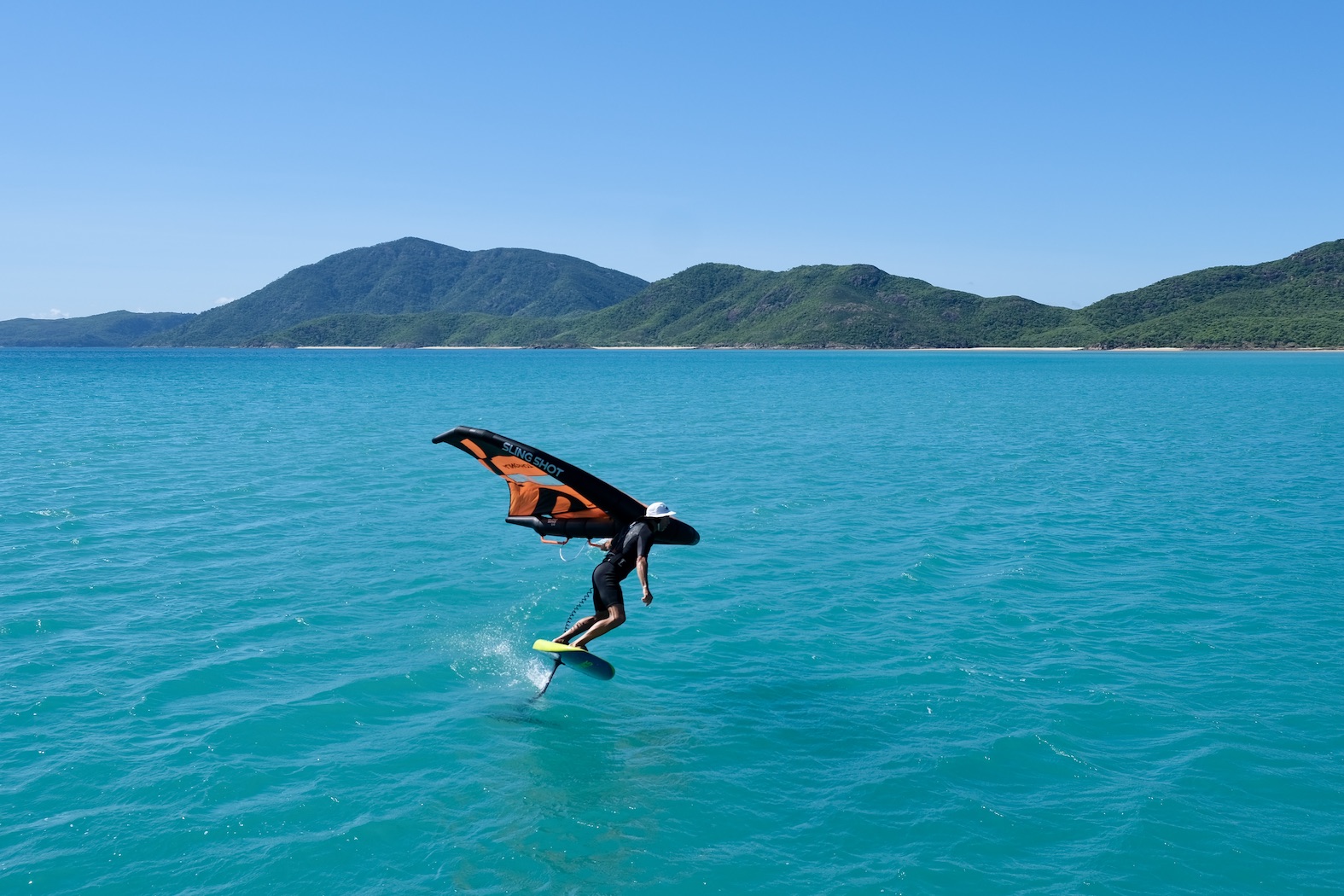
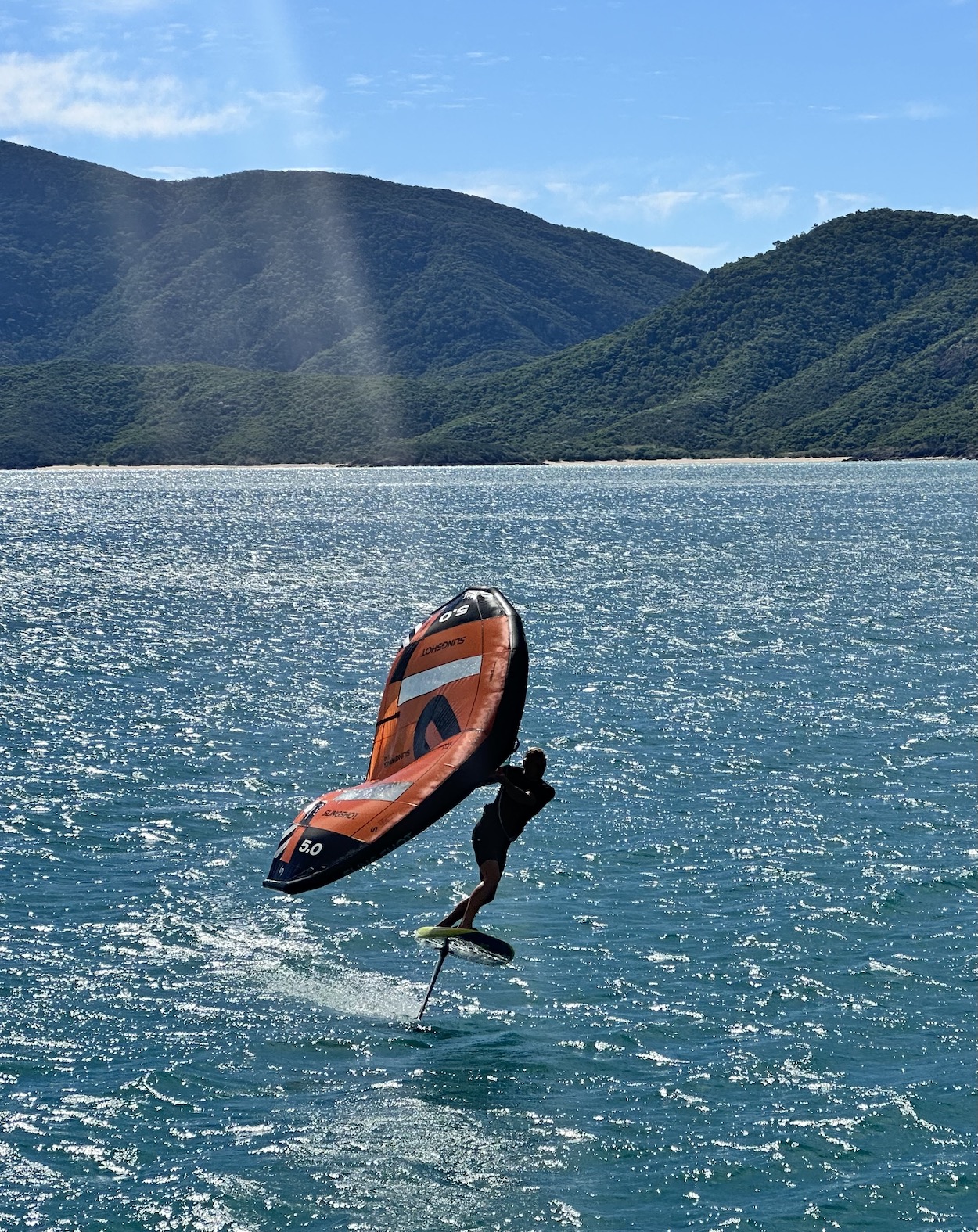
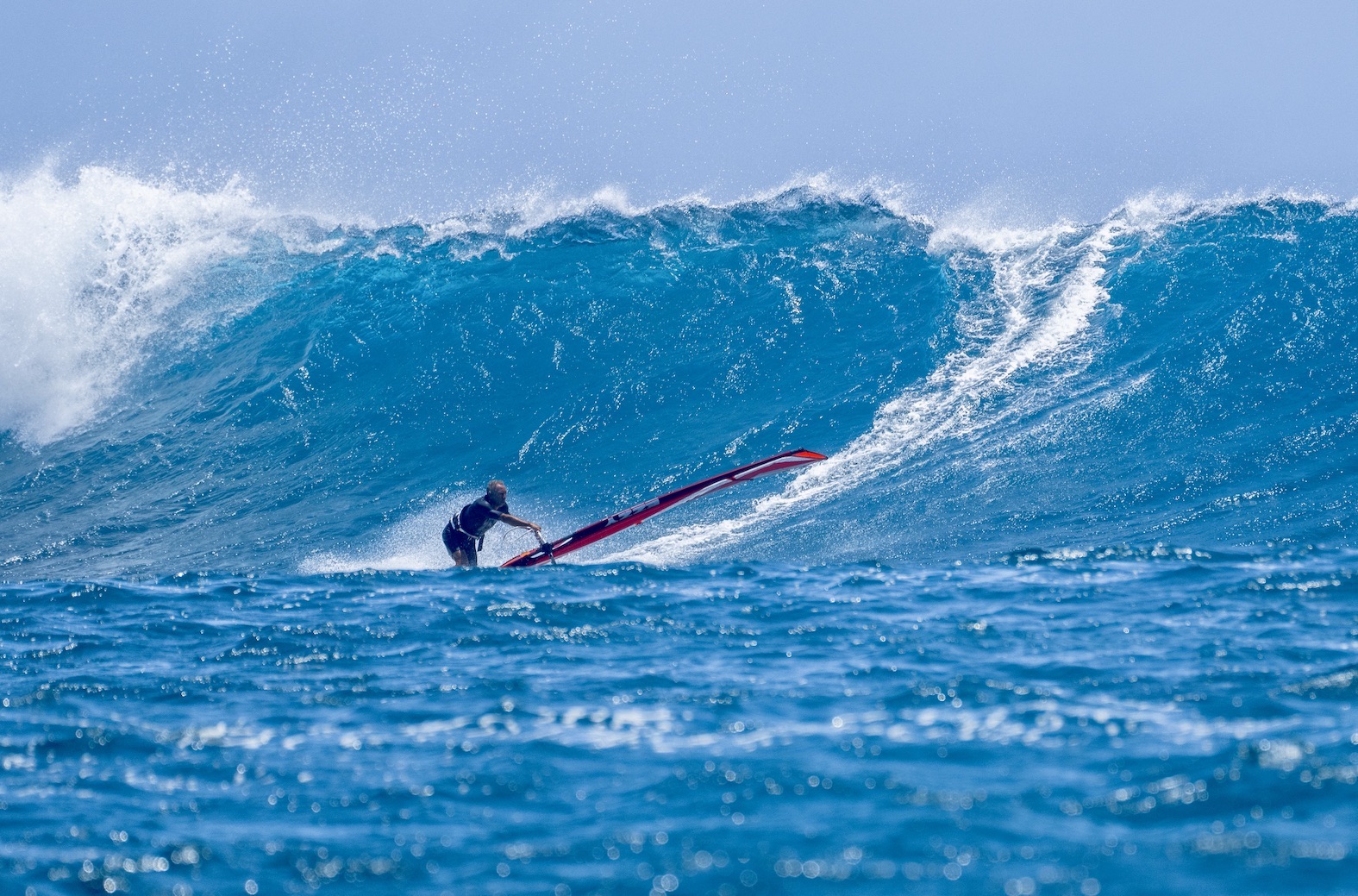
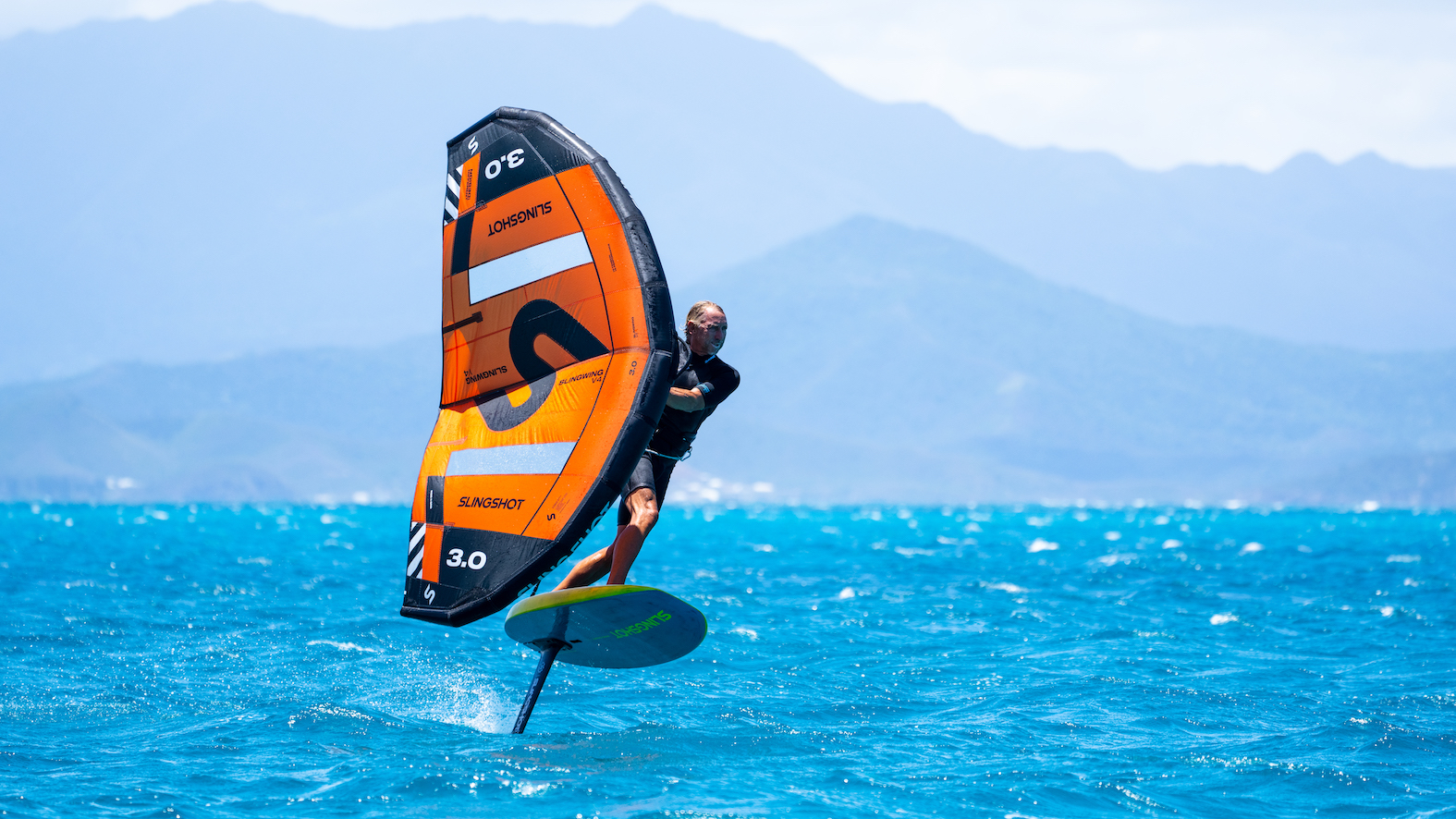
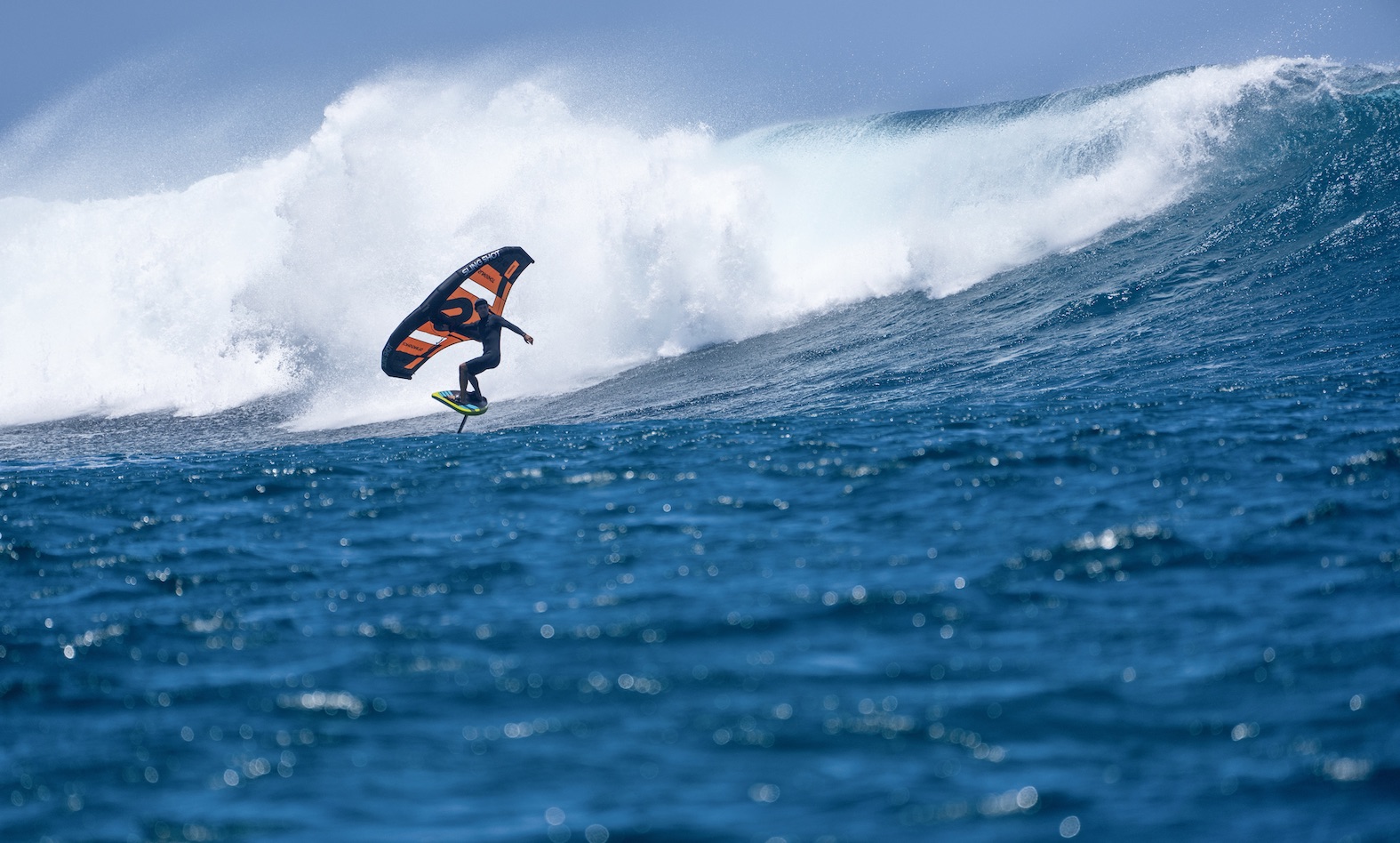
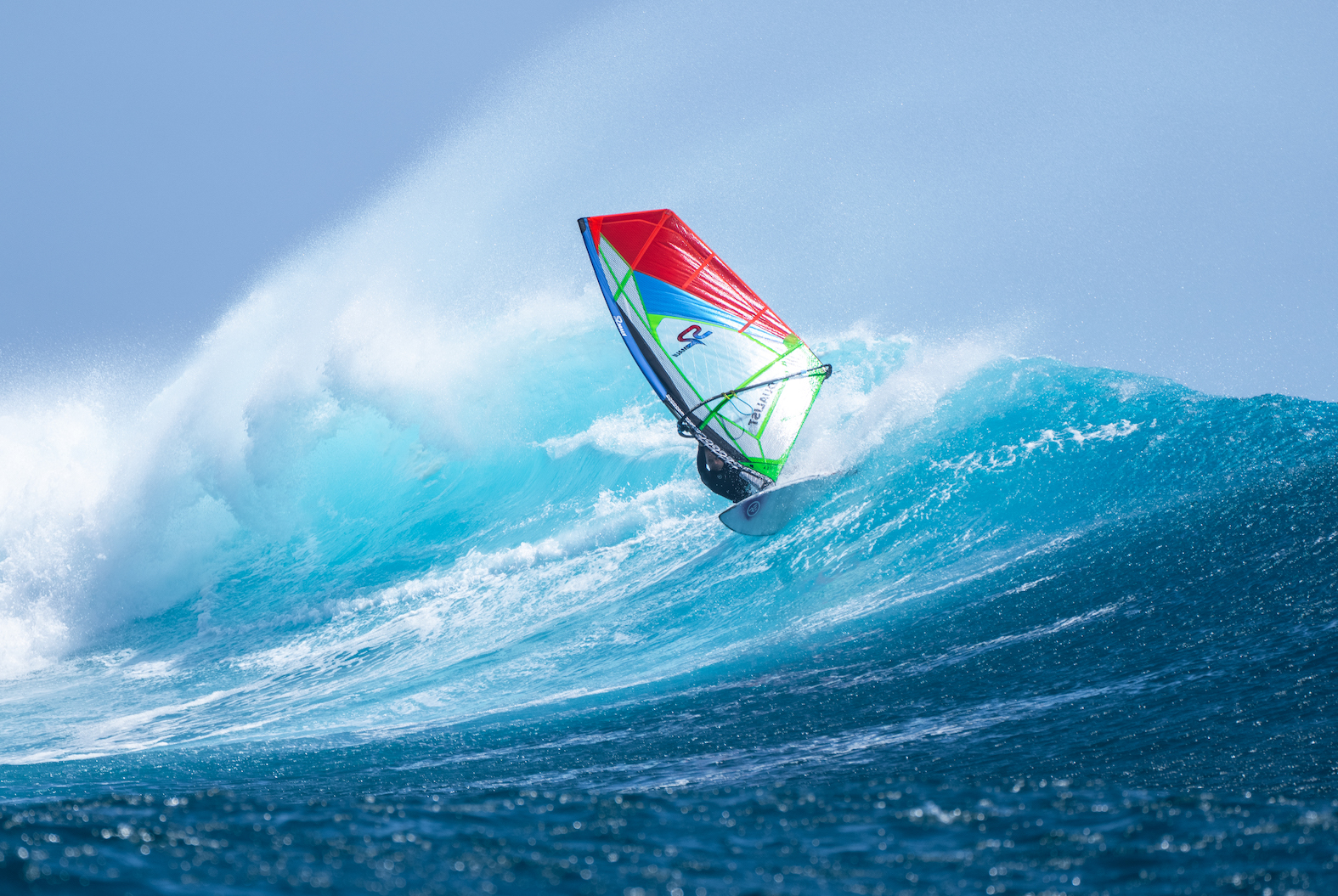
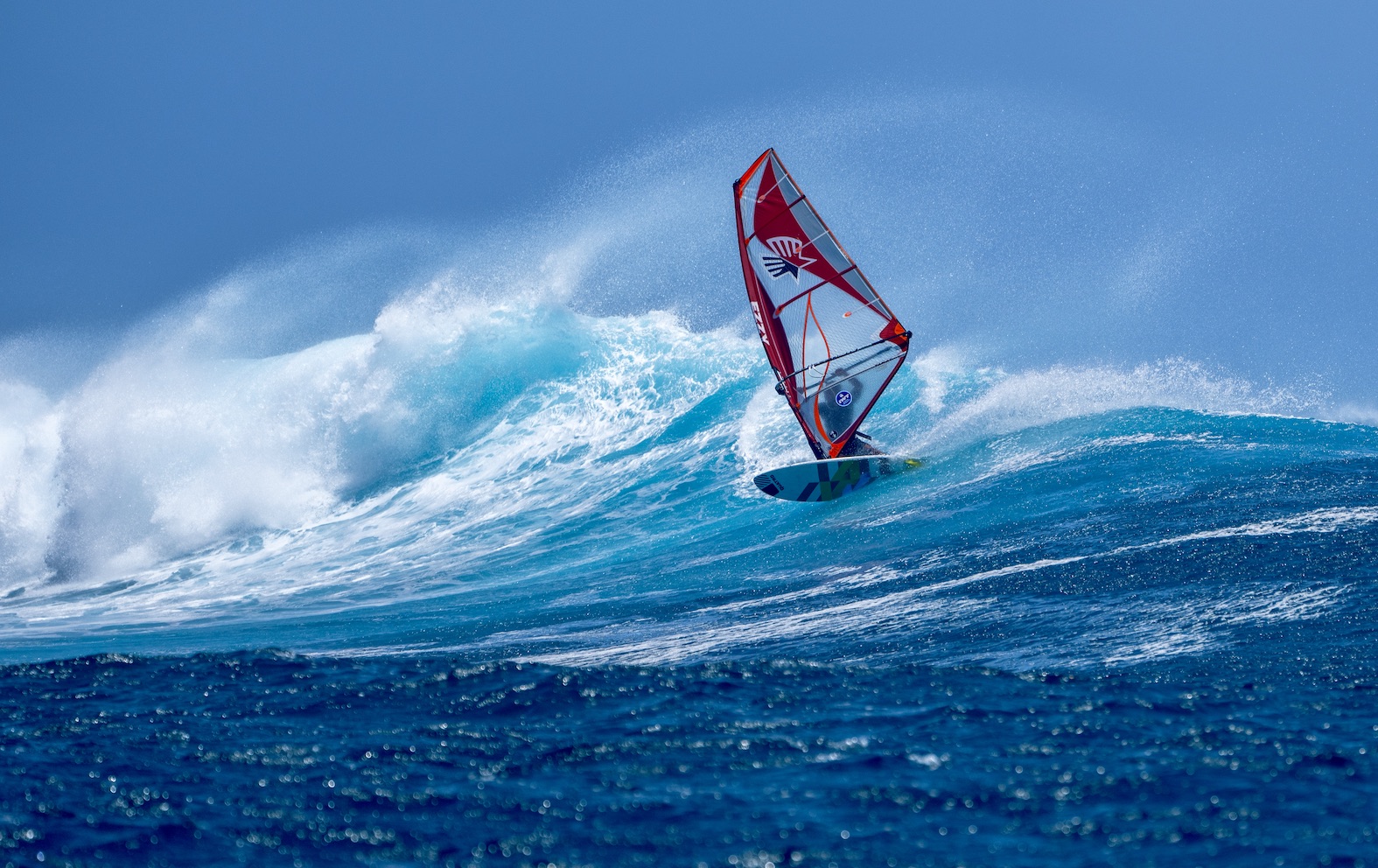
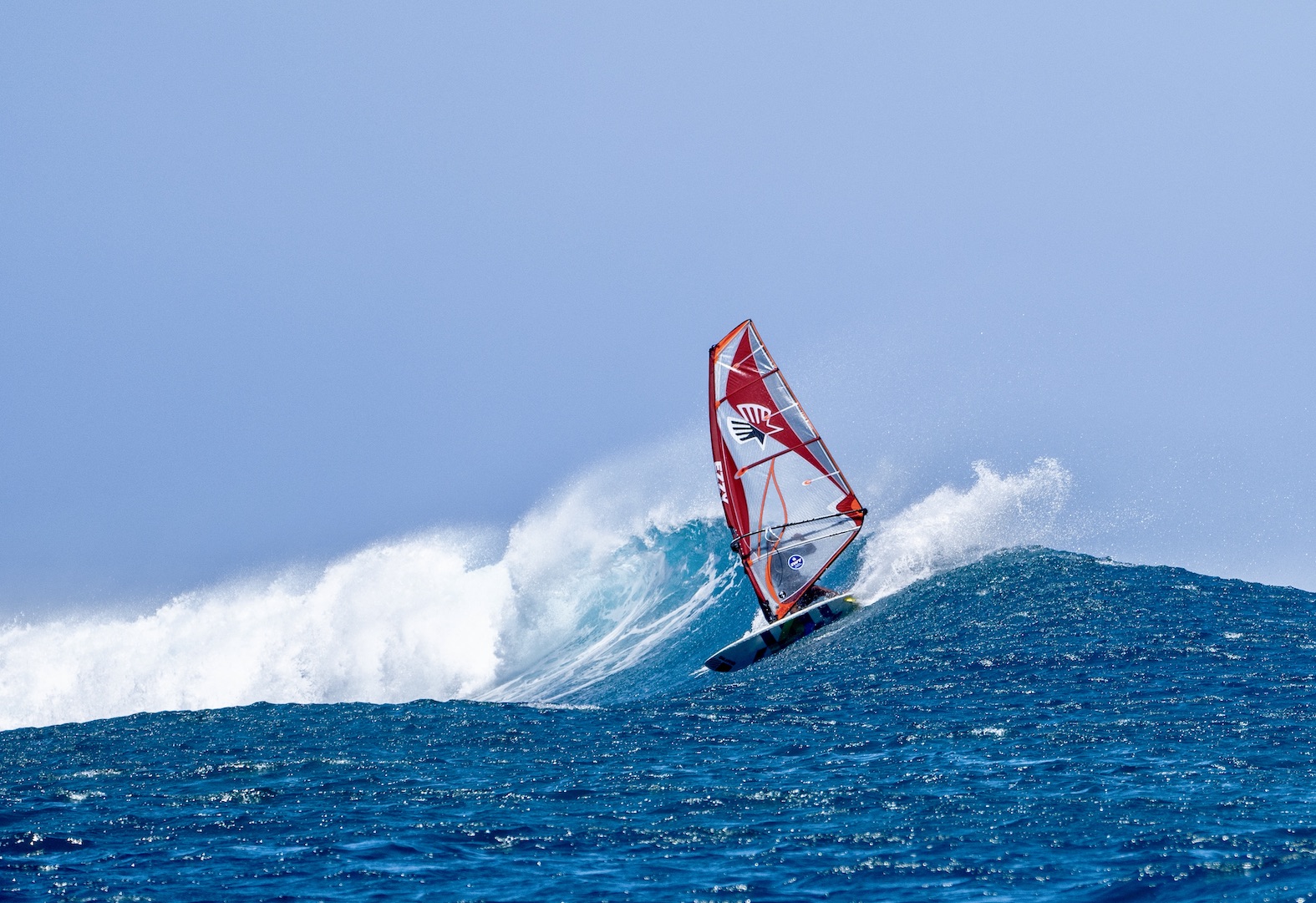
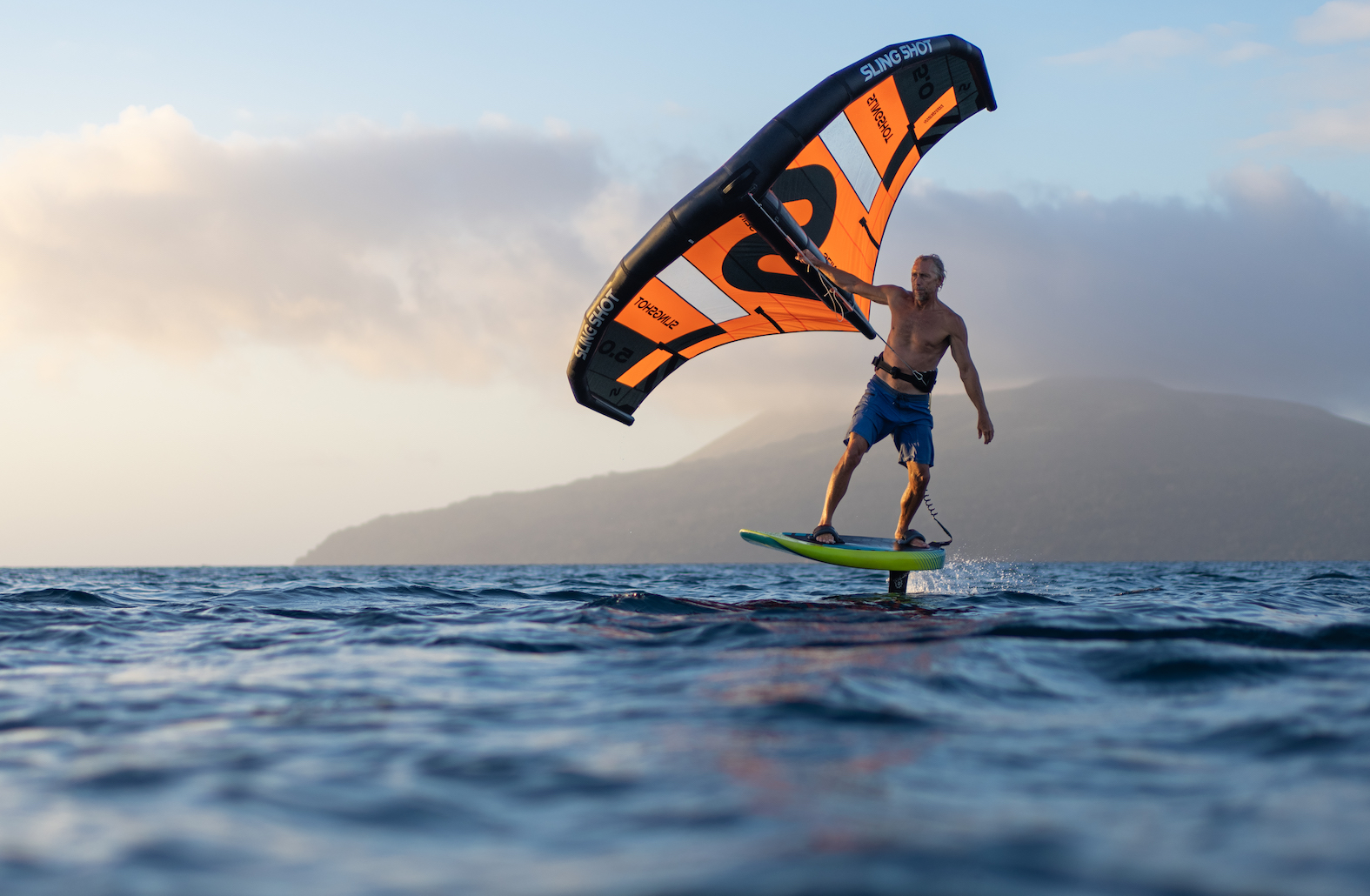
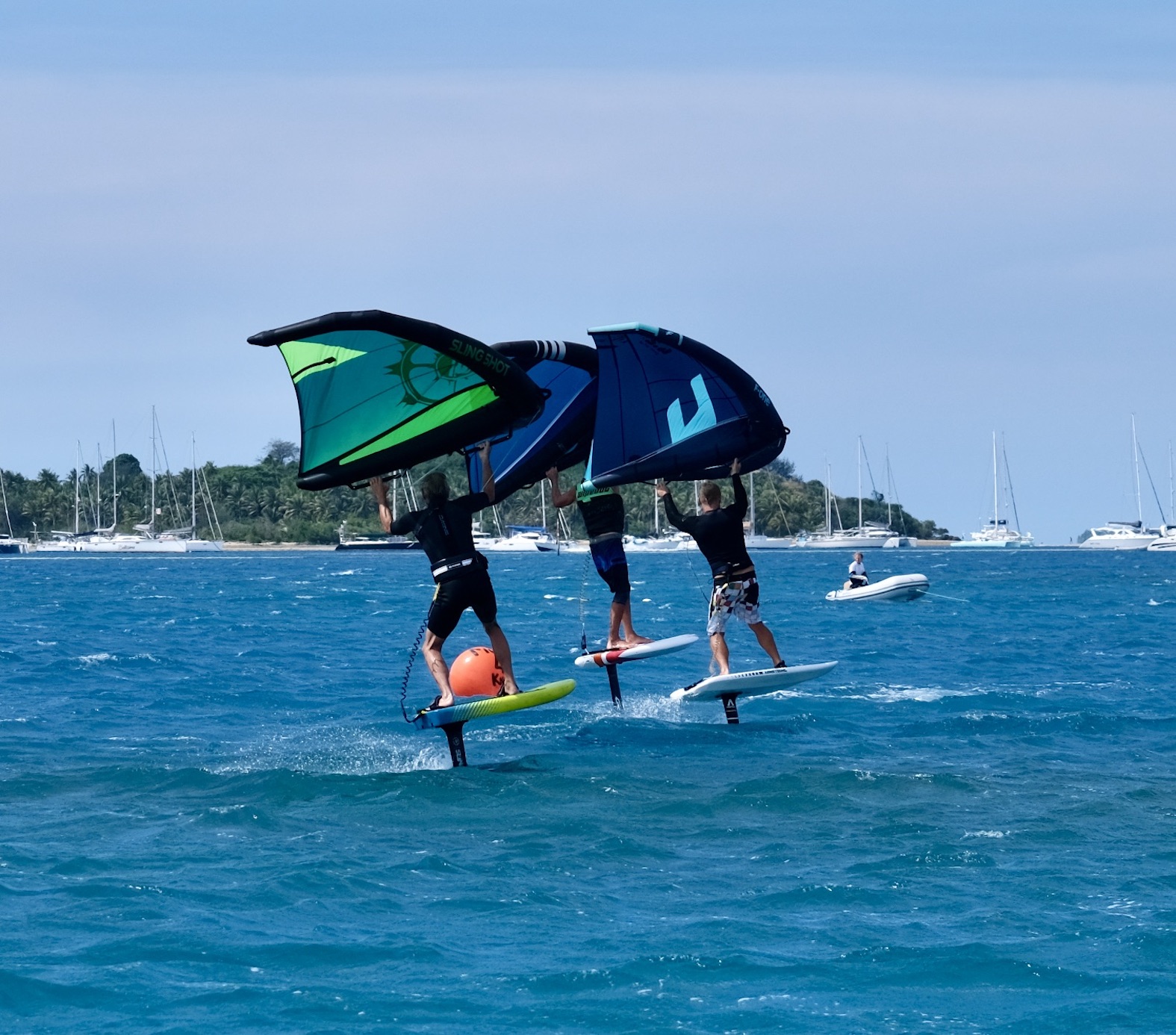
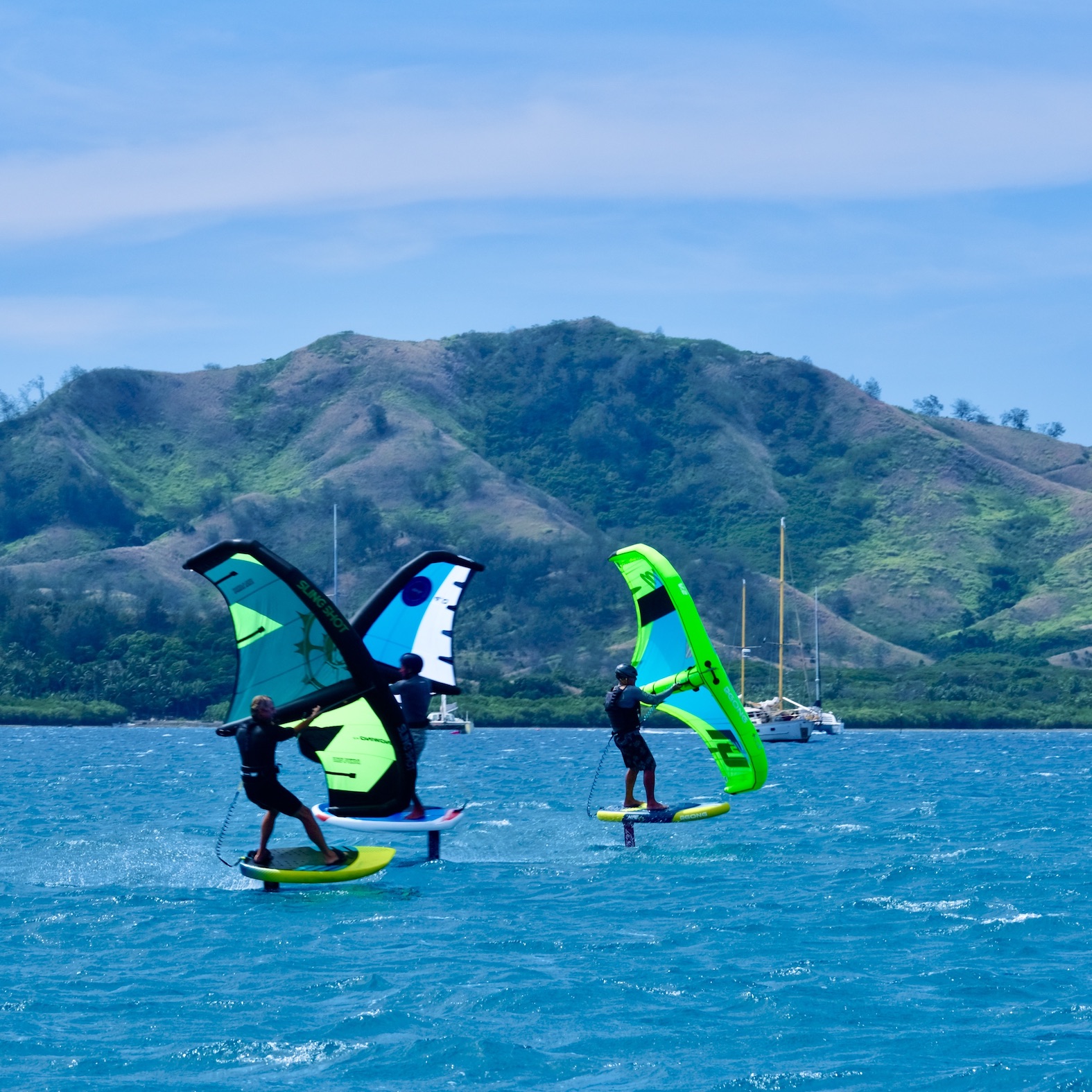
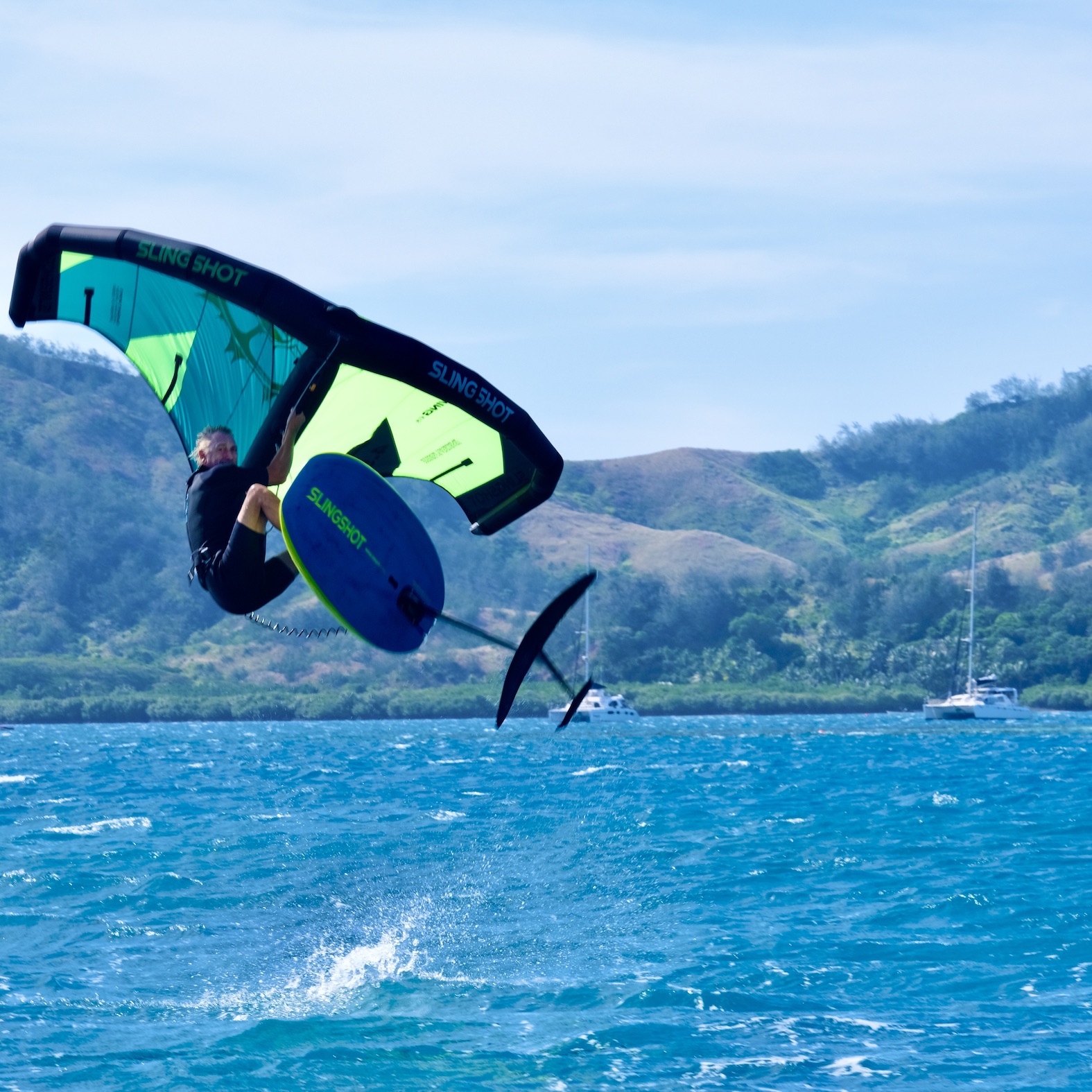
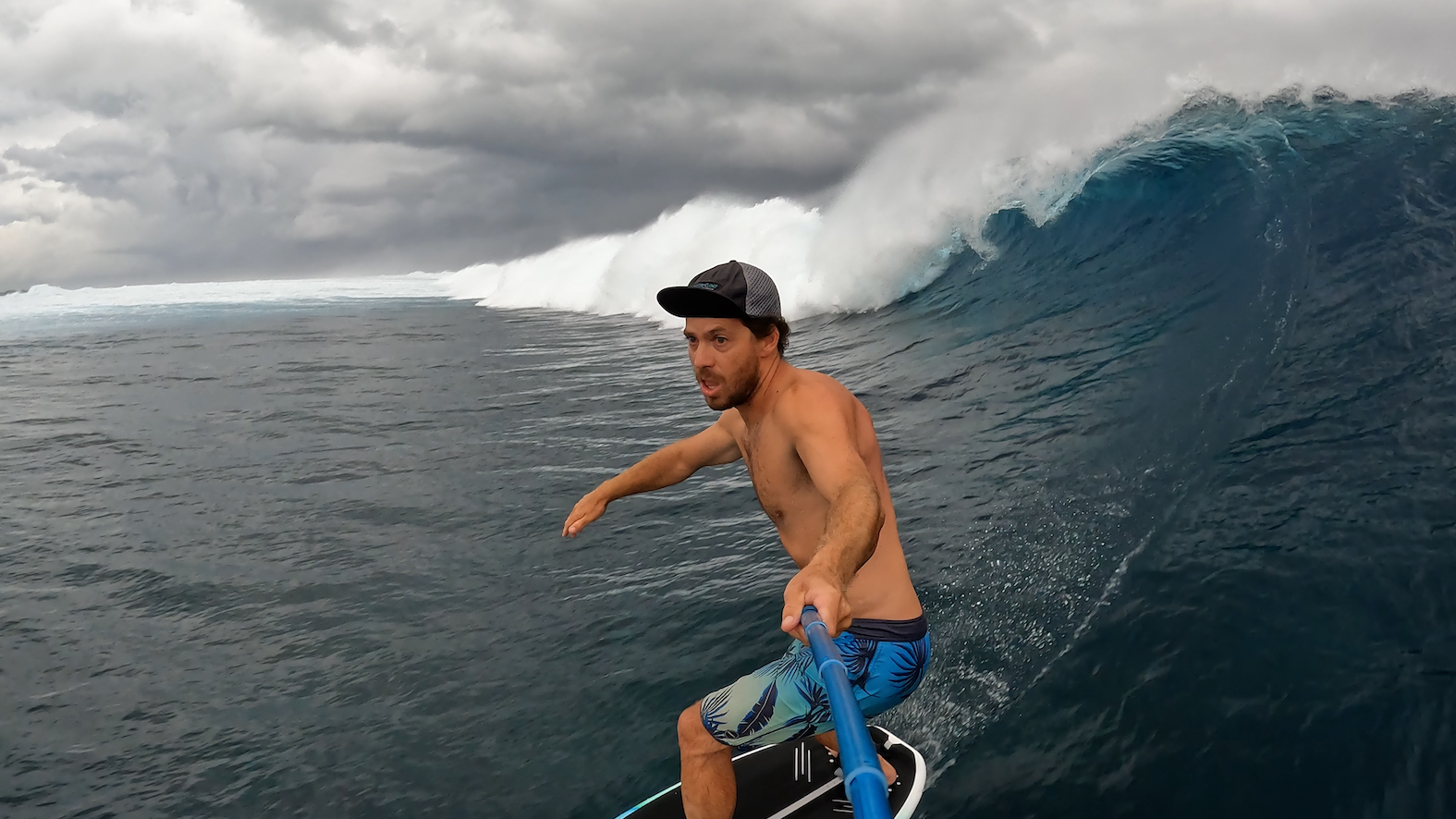
Meanwhile Rod was risking life and limb to get these shots with his 360 camera as my foils flashed past.
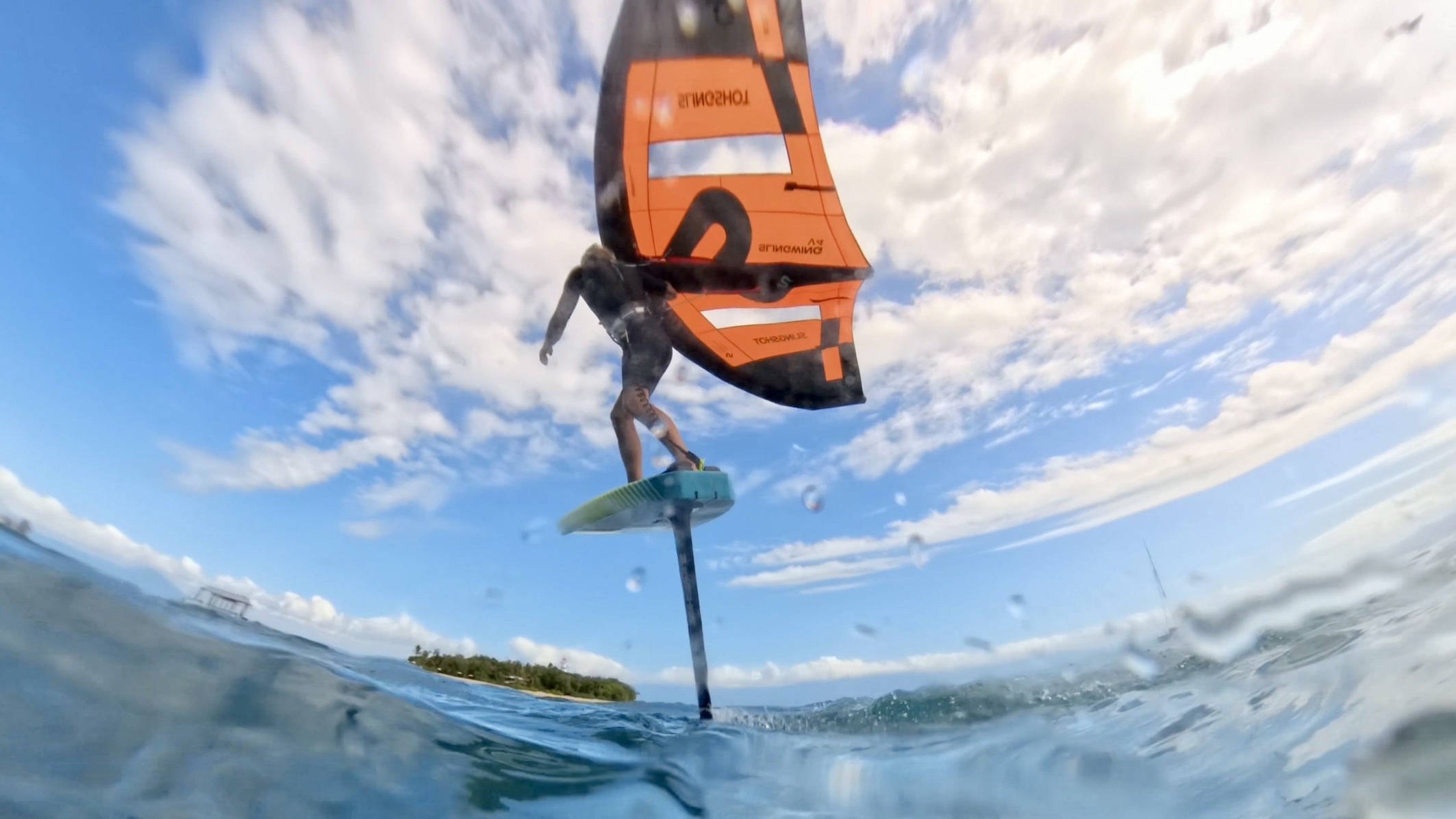
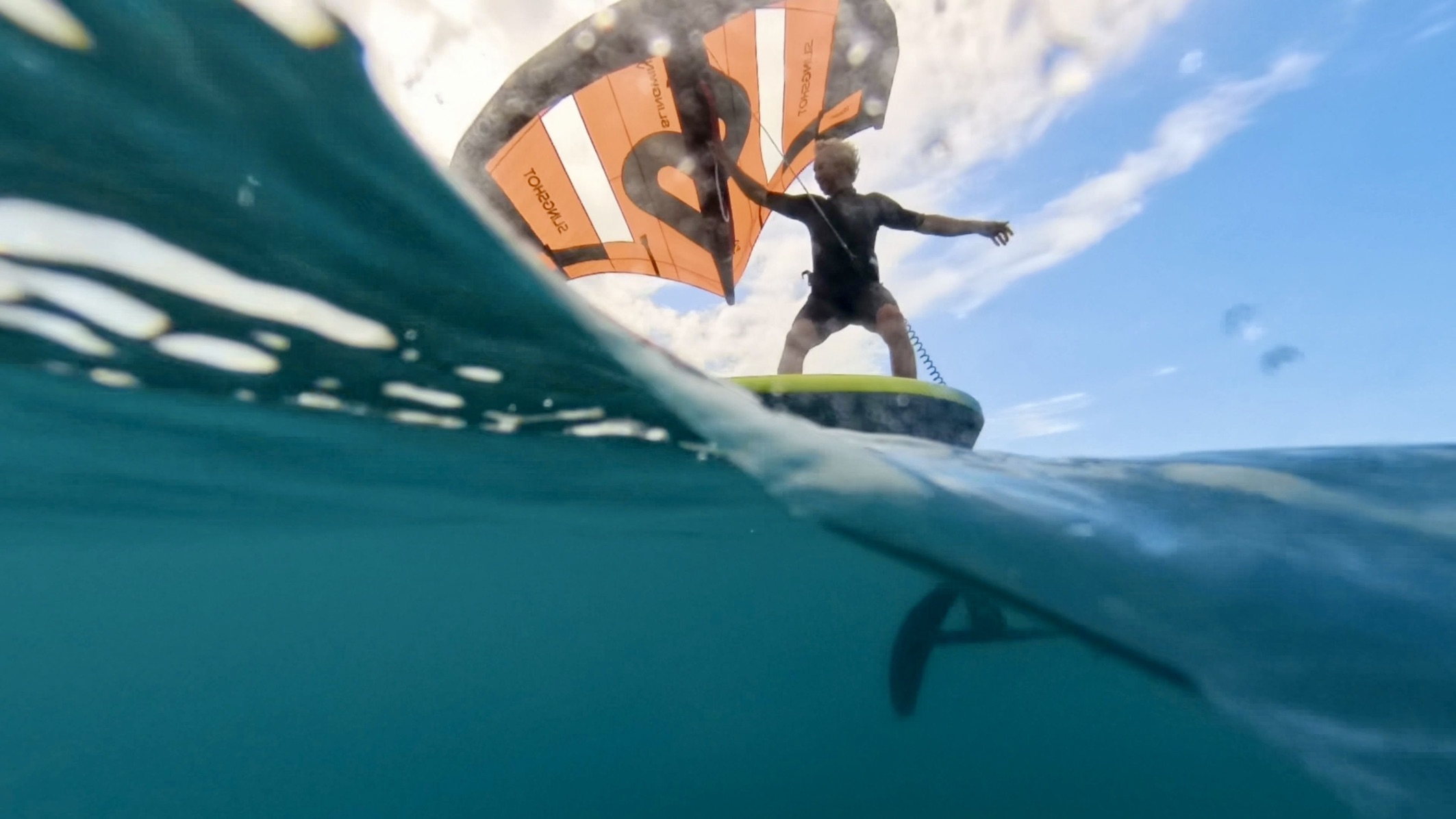

Thanks Rod!
Then we travelled deeper in to the interior. The lodge at Mount Mulligan is built at the bottom of the huge red limestone mountain, on the ridiculously picturesque lake shore.
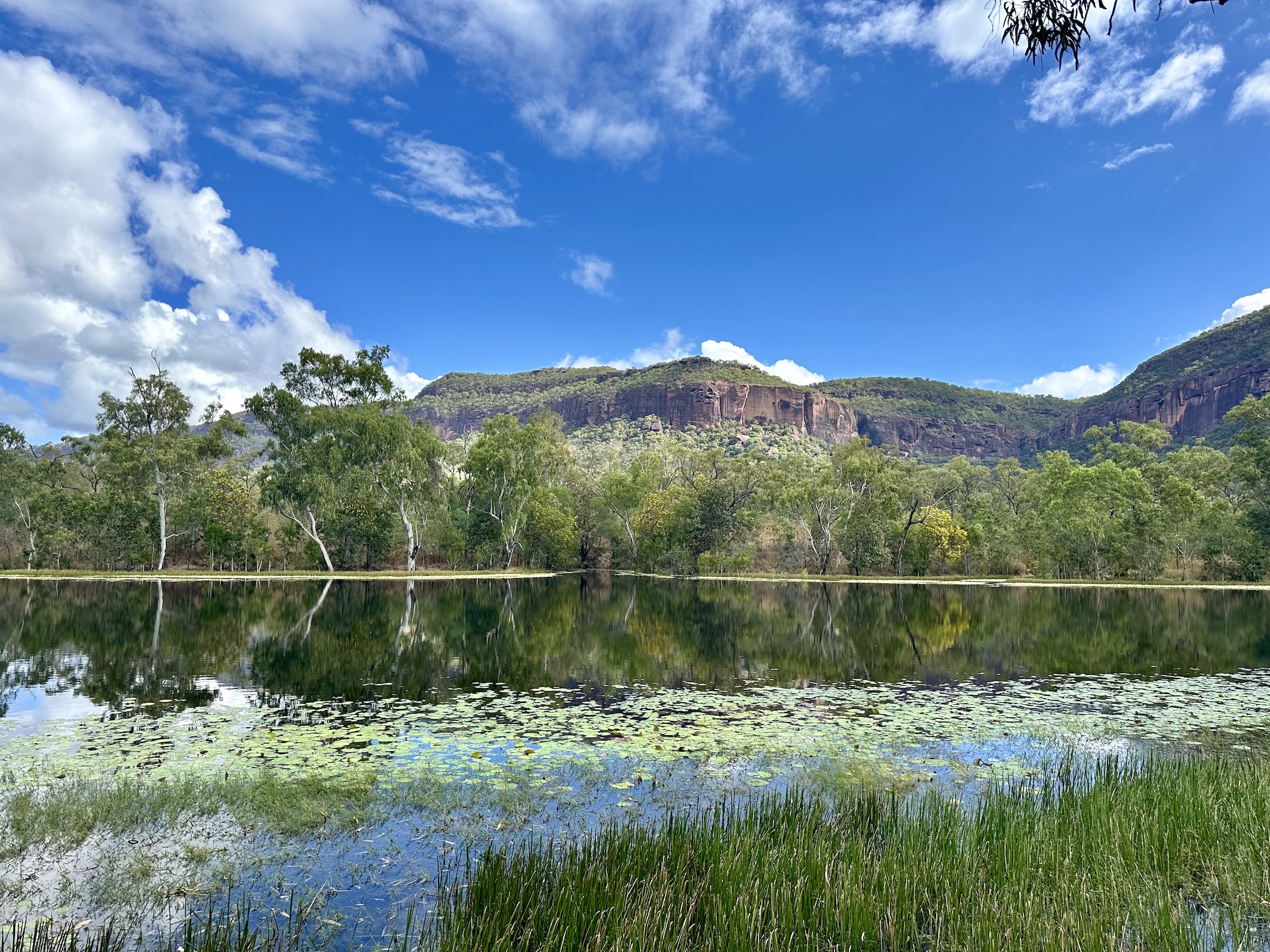
No rainforest here, but scrubby gum trees, dingos, wild horses and 3000 head of brahmin cattle grazing 70,000 acres. Big raptors soar above, plus so many other colourful and tuneful birds, all drowned out by the kookaburras guffawing high in the treetops. Butterflies and dragonflies shimmer around the lake, this place is another wonderland.
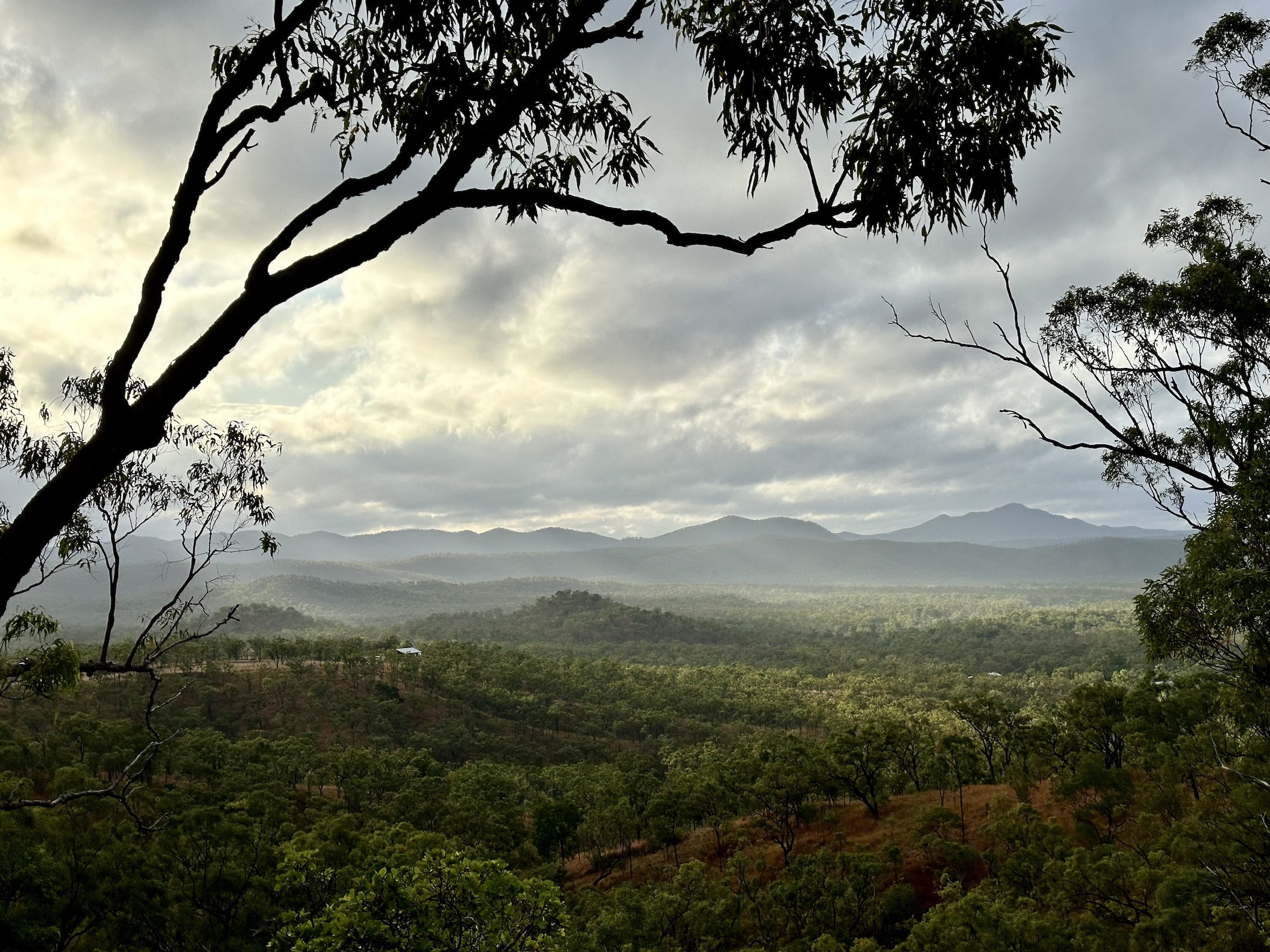
After a couple of weeks living in a Mercedes van, we were ready for a bath.
I think this one comes straight in to our All-Time-Top-Ten Bathtubs.
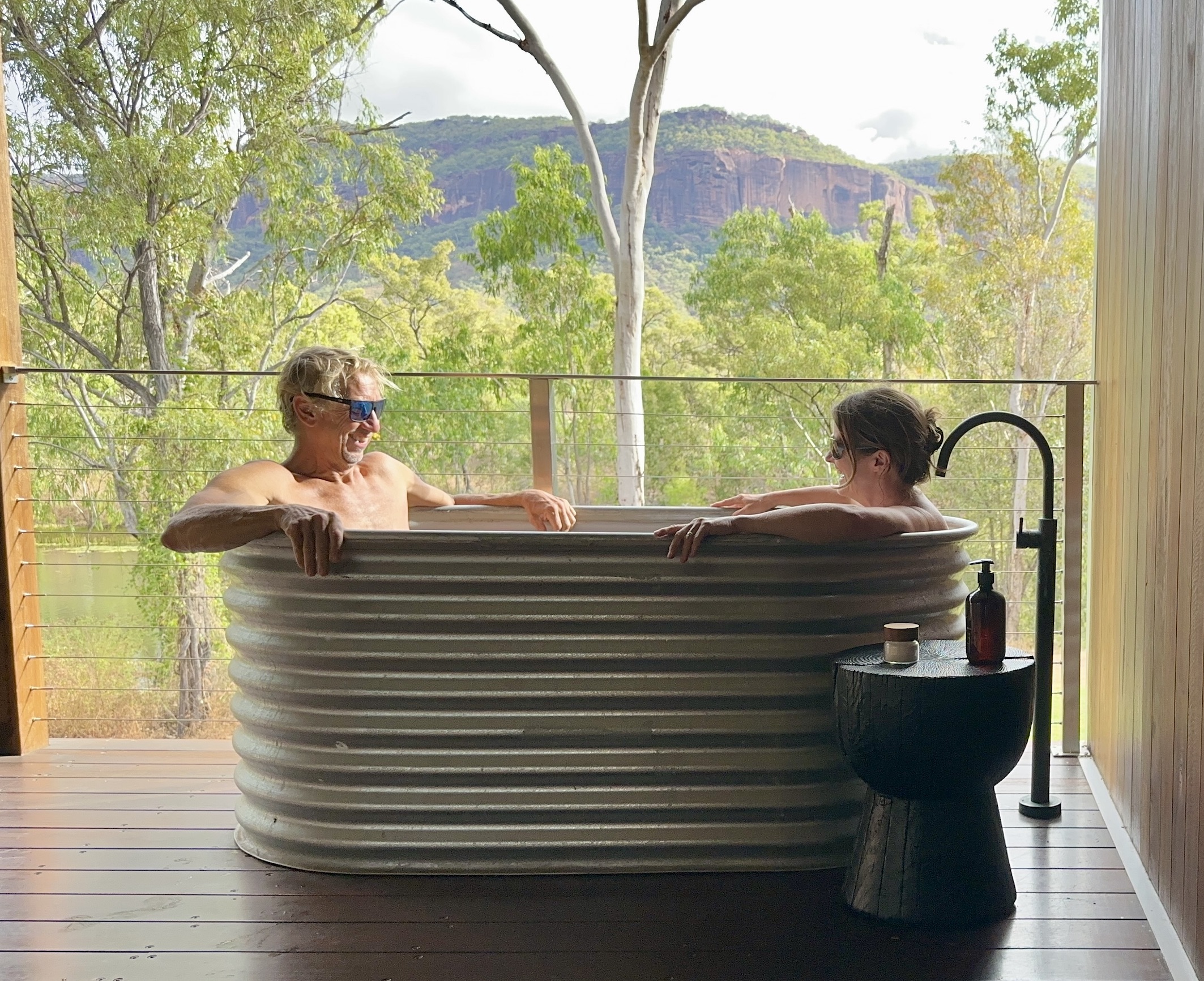
On my run this morning I had an encounter with a kangaroo.
I came jogging round a bend on the dusty trail and there she was, ears backlit in the morning sun. We both froze, the moment hung in the air. I’m sure she was female, big dark eyes and long eyelashes. She held my gaze as her curiosity was gradually overcome by her shyness. At which point she bounced off in to the endless bush, three thumps of her tail and she was gone. A brief moment of connection, but I can still picture her so clearly. Perhaps she still thinks of me.

Looks like they’ve started filming Mad Max 5.

I signed up for Dawn’s off-road adventure. I know we look stupid but it’s very dusty out there and there’s no windshield.

Bush Tucker.
Brett took us exploring and fed us some nutritious green tree ants. They construct these nests by glueing leaves together.

The ants have bright green bottoms which have a powerful citrussy taste. They will bite you, but not if you bite them first. Yum.
Mount Mulligan Lodge was our last stop. Now we’re switching hemispheres again for some Guernsey summertime.
I’ll be back to Escapade in September.





















































































































 escapade sailing