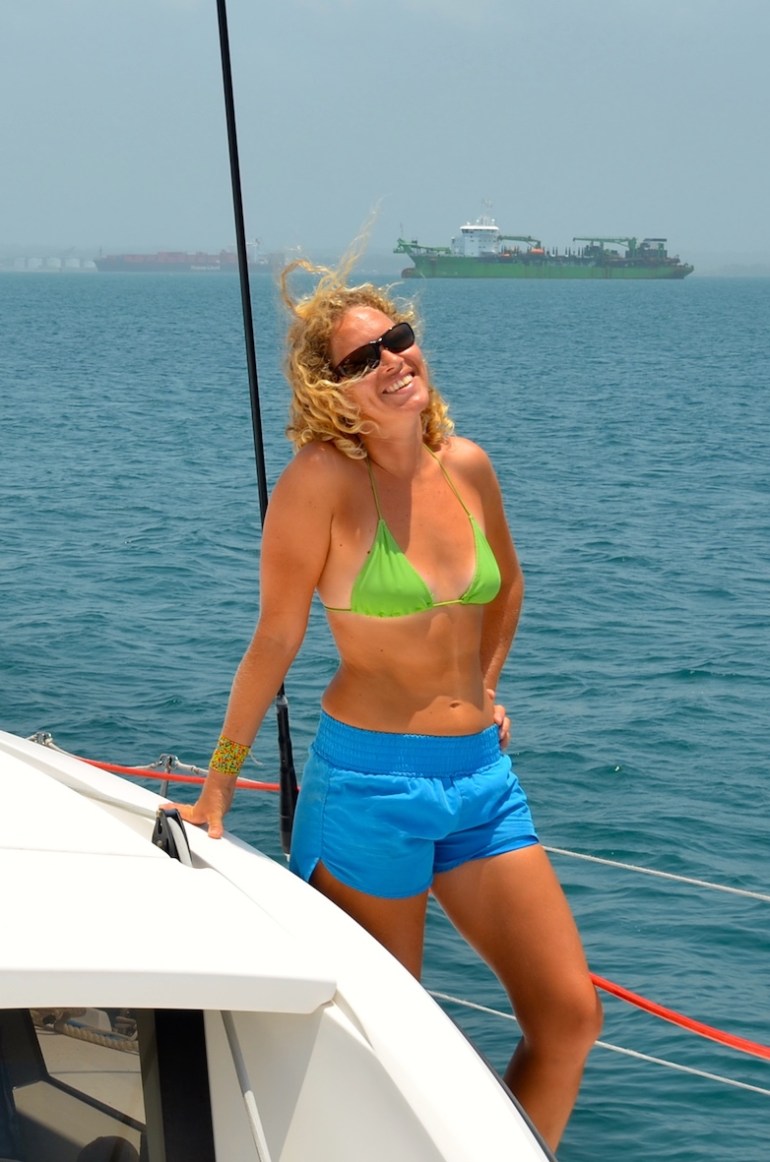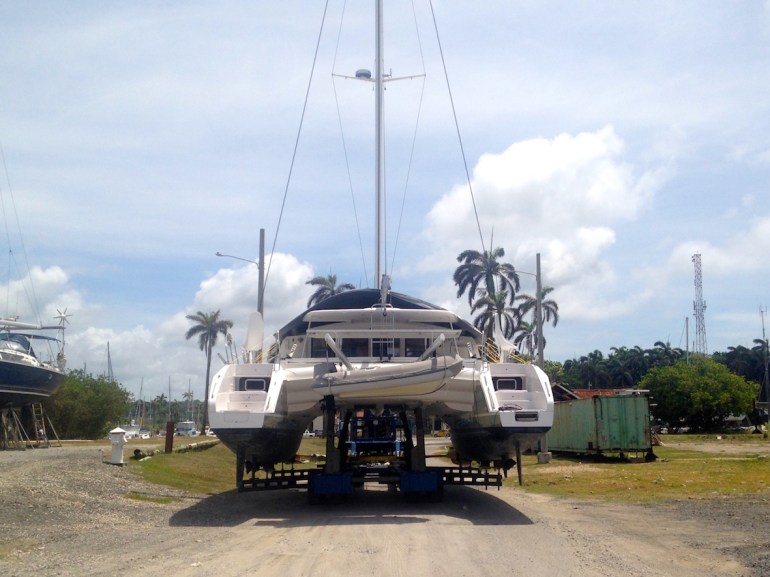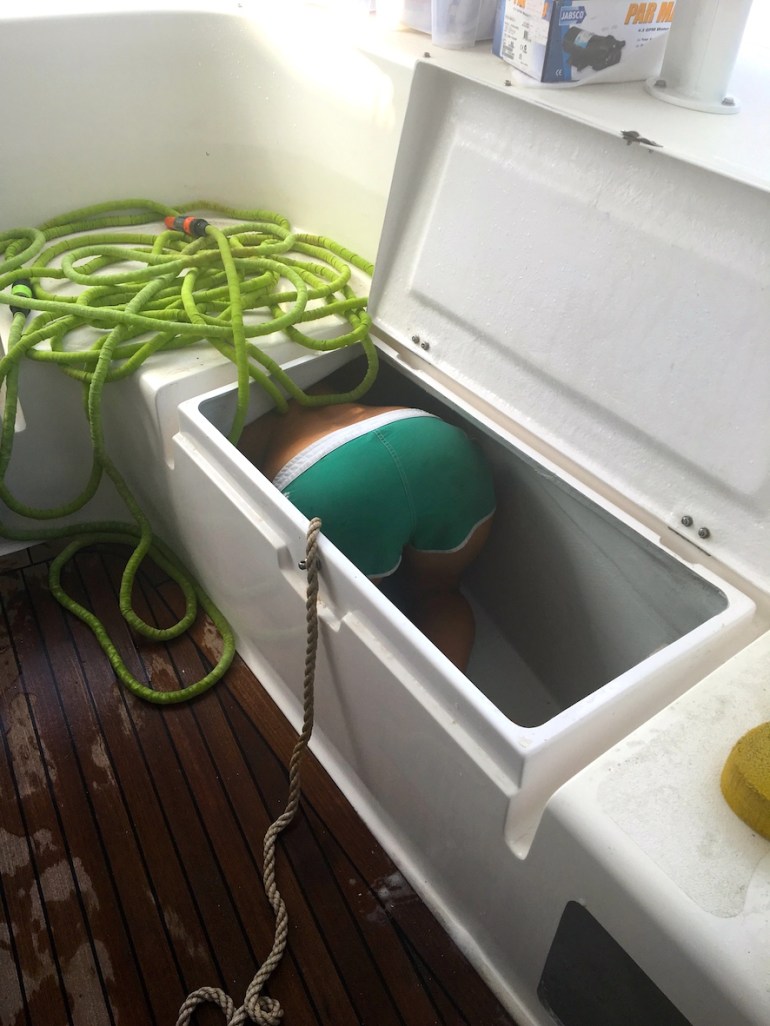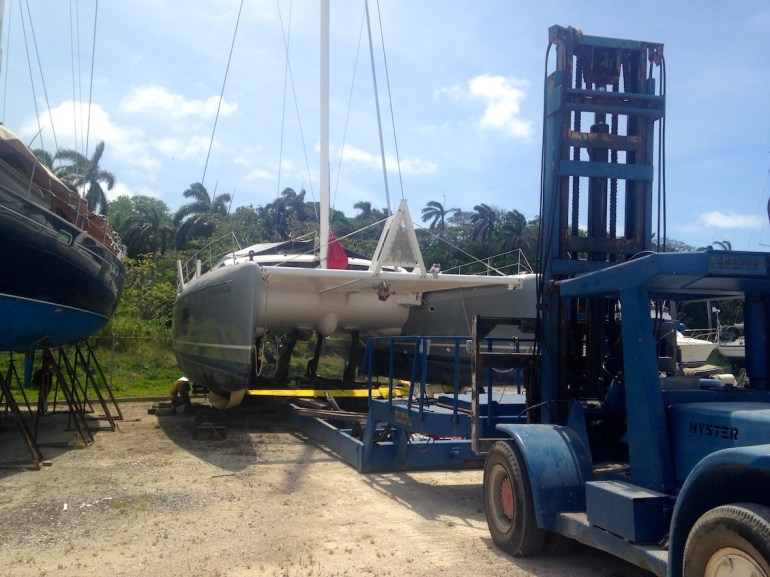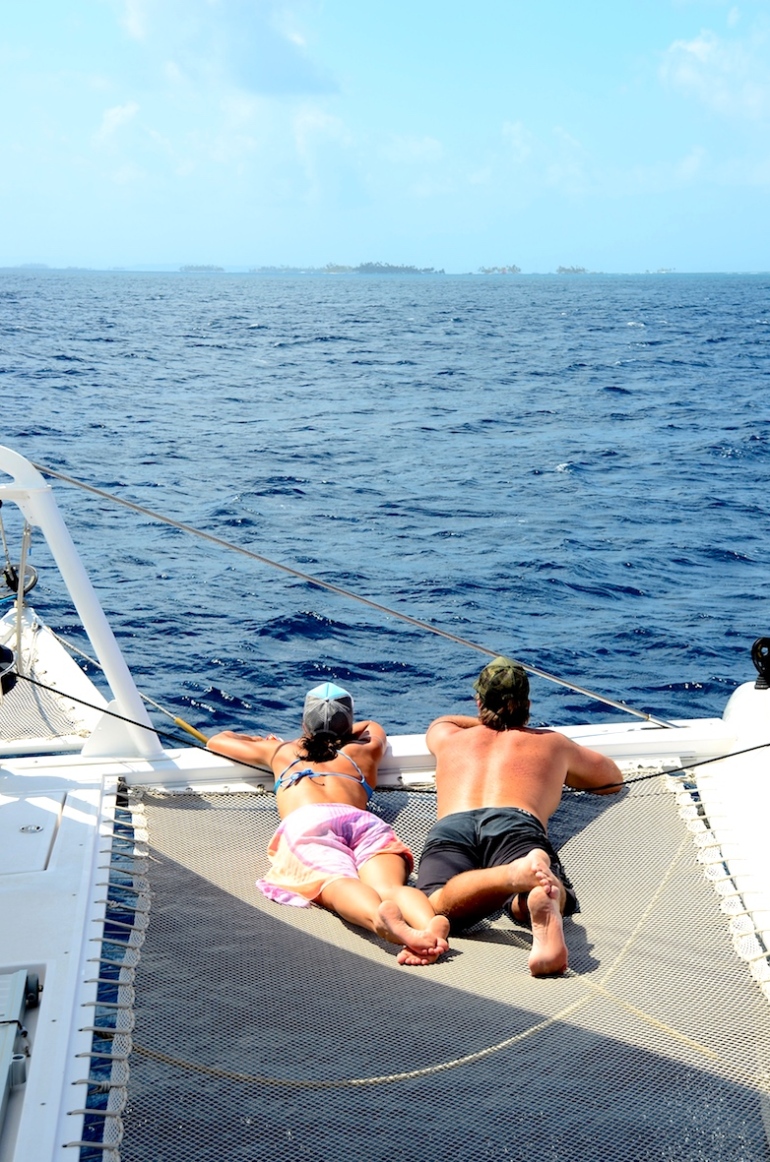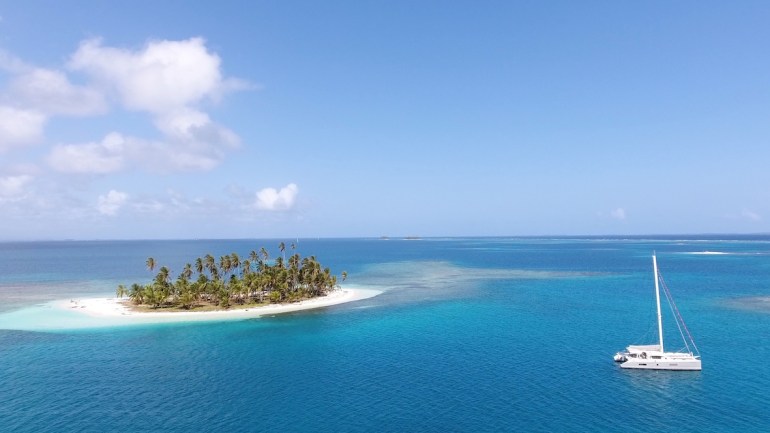
This is turning into a very lazy, low mileage winter.


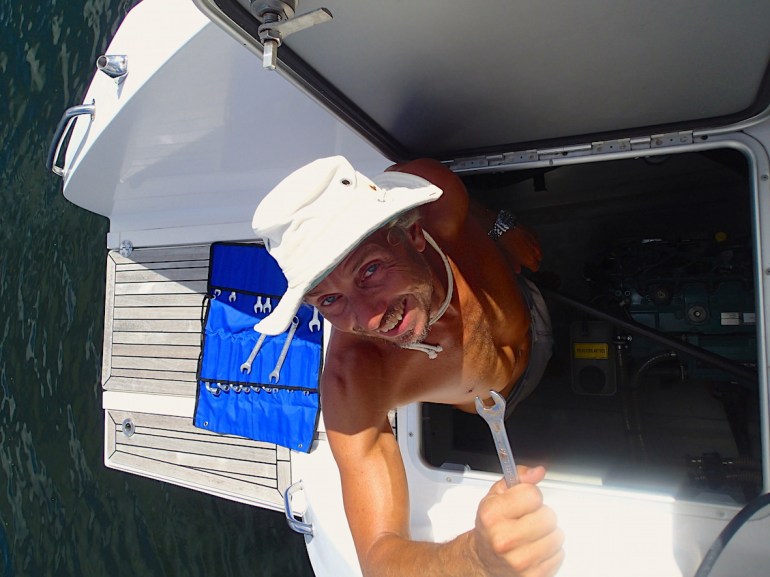
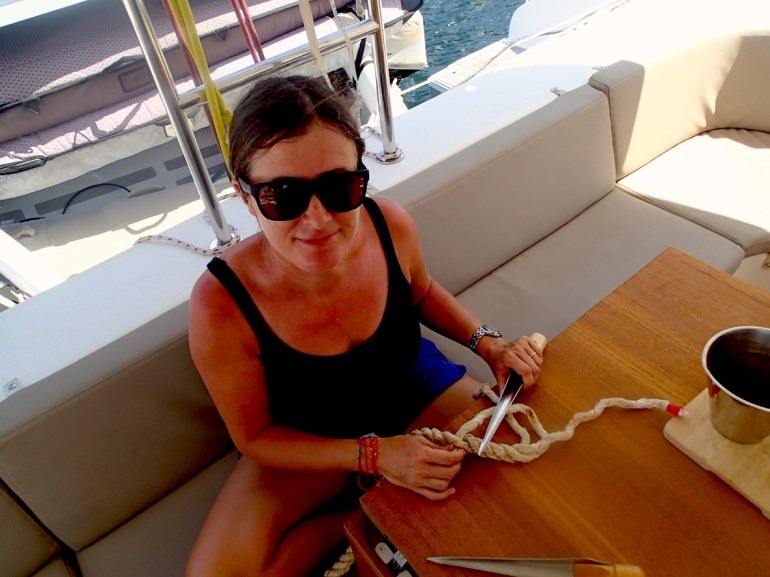
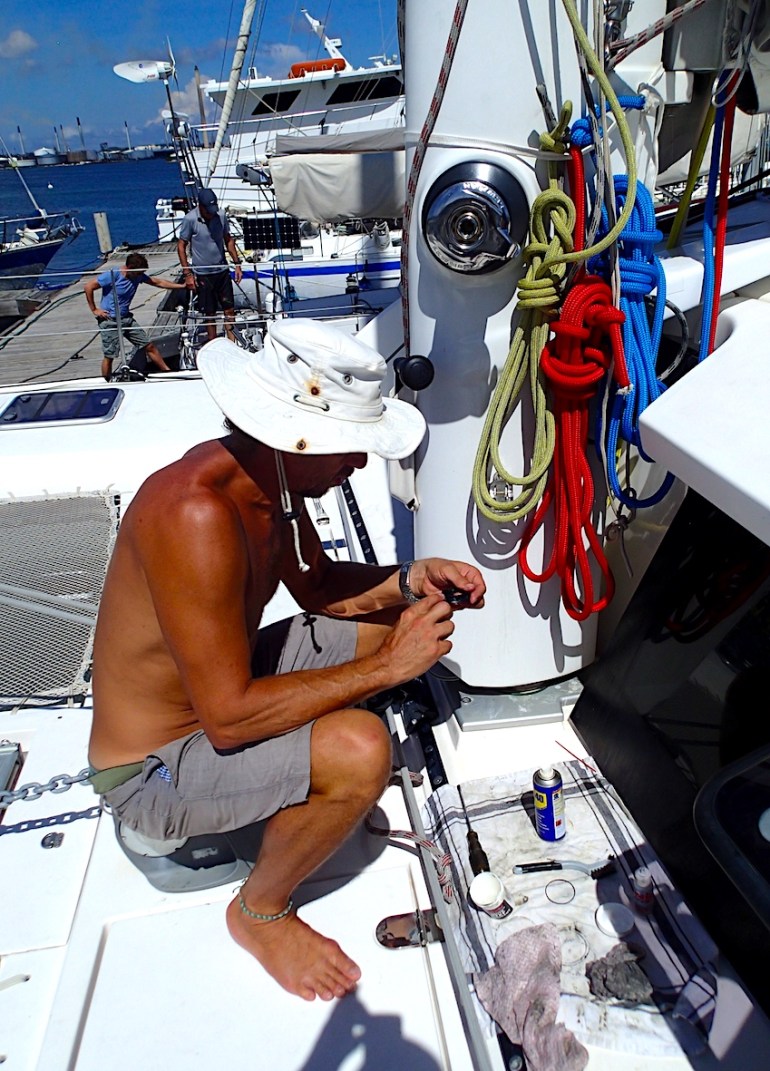
Some more moments from the last few weeks:


Laundry day

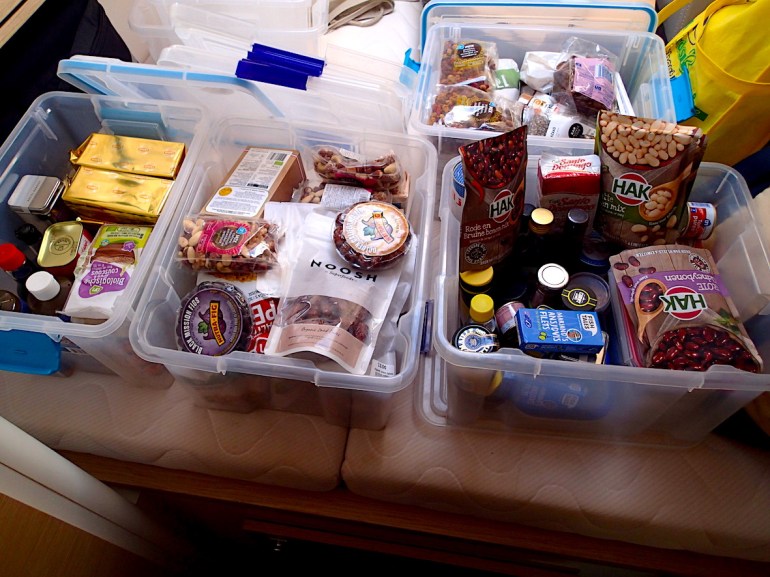
The weekly food shopping


Etc..


This is turning into a very lazy, low mileage winter.


Some more moments from the last few weeks:


Laundry day

The weekly food shopping


Etc..


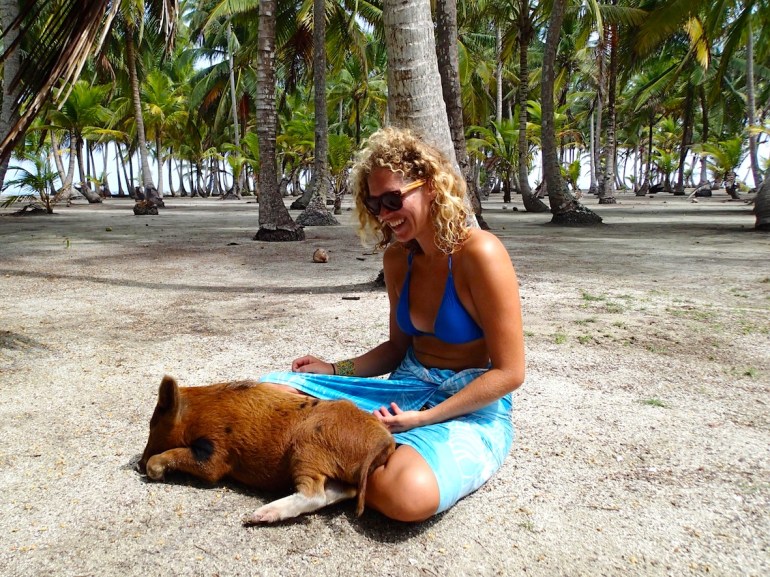
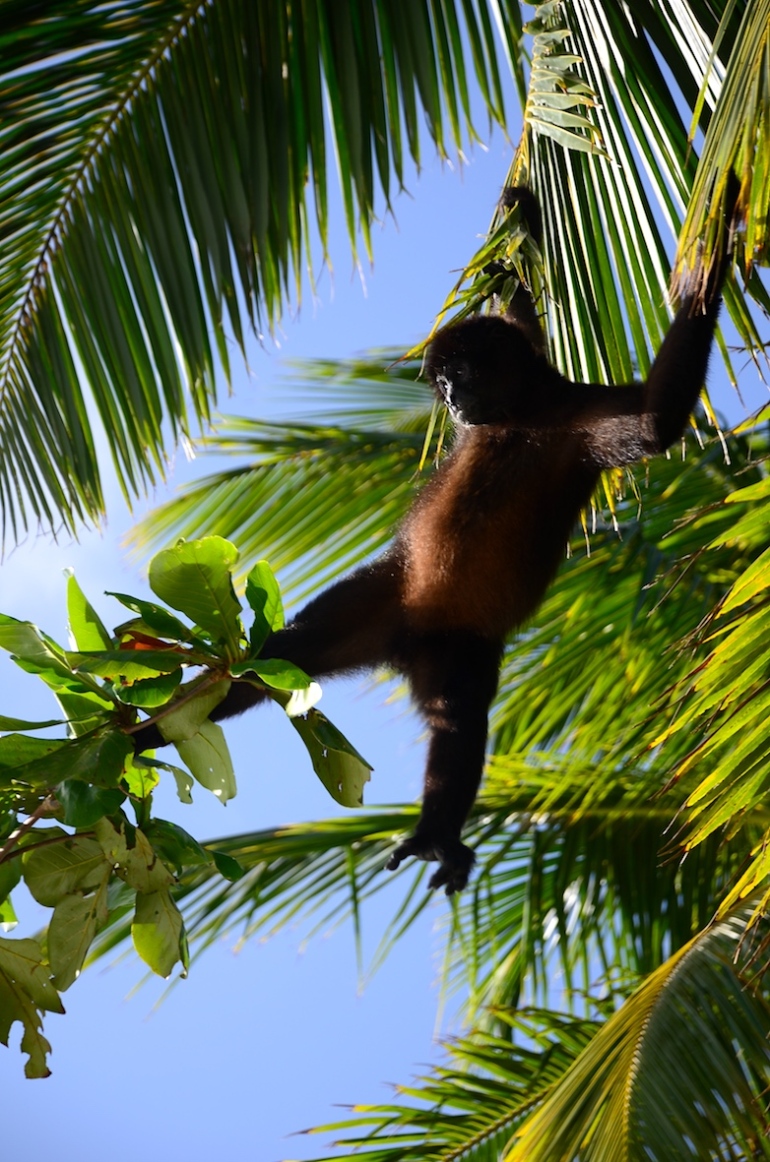
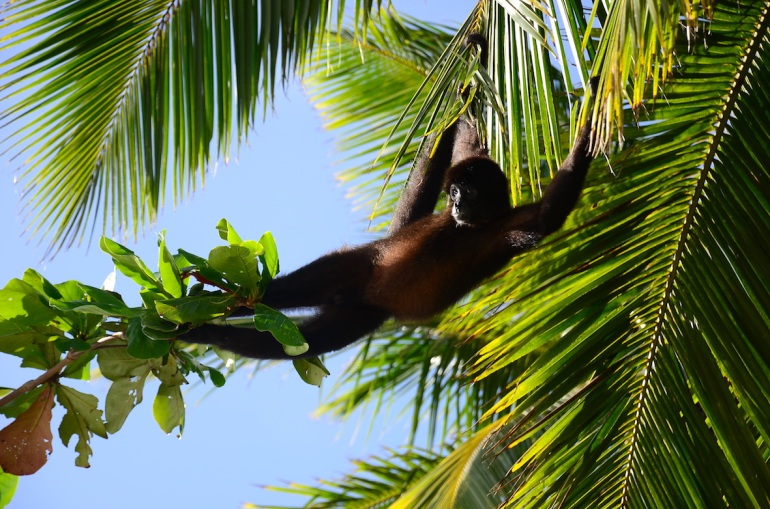
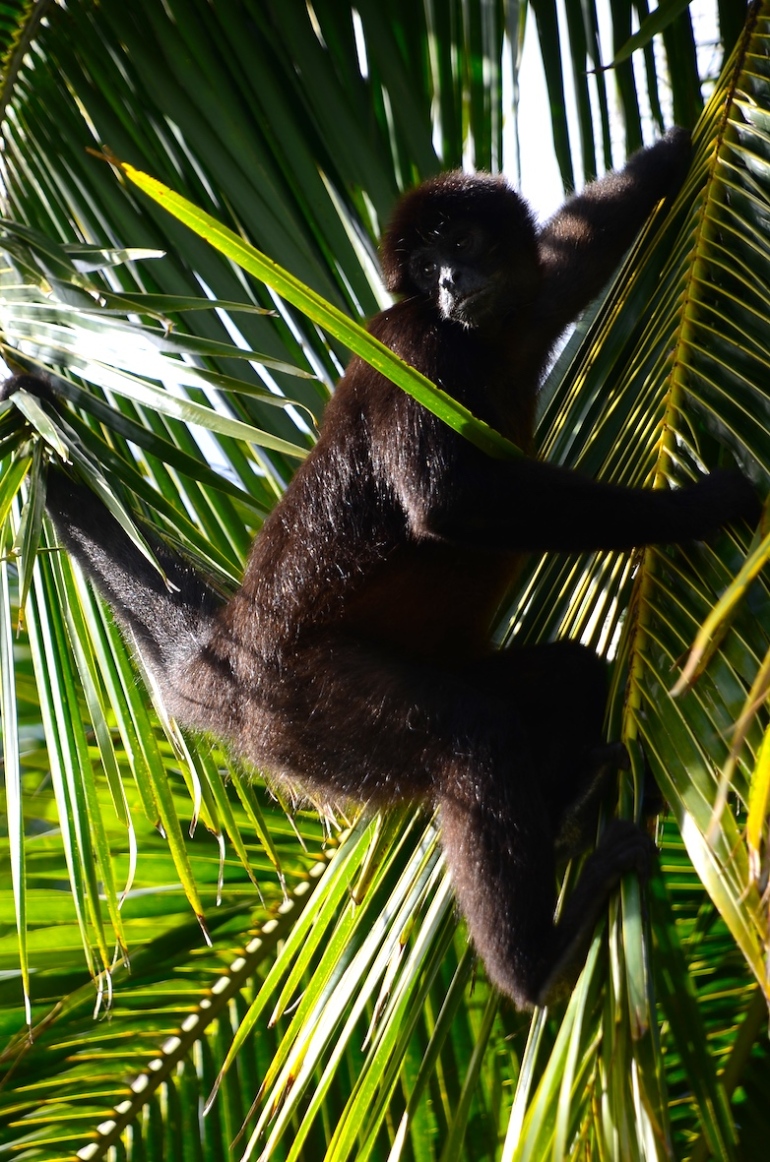
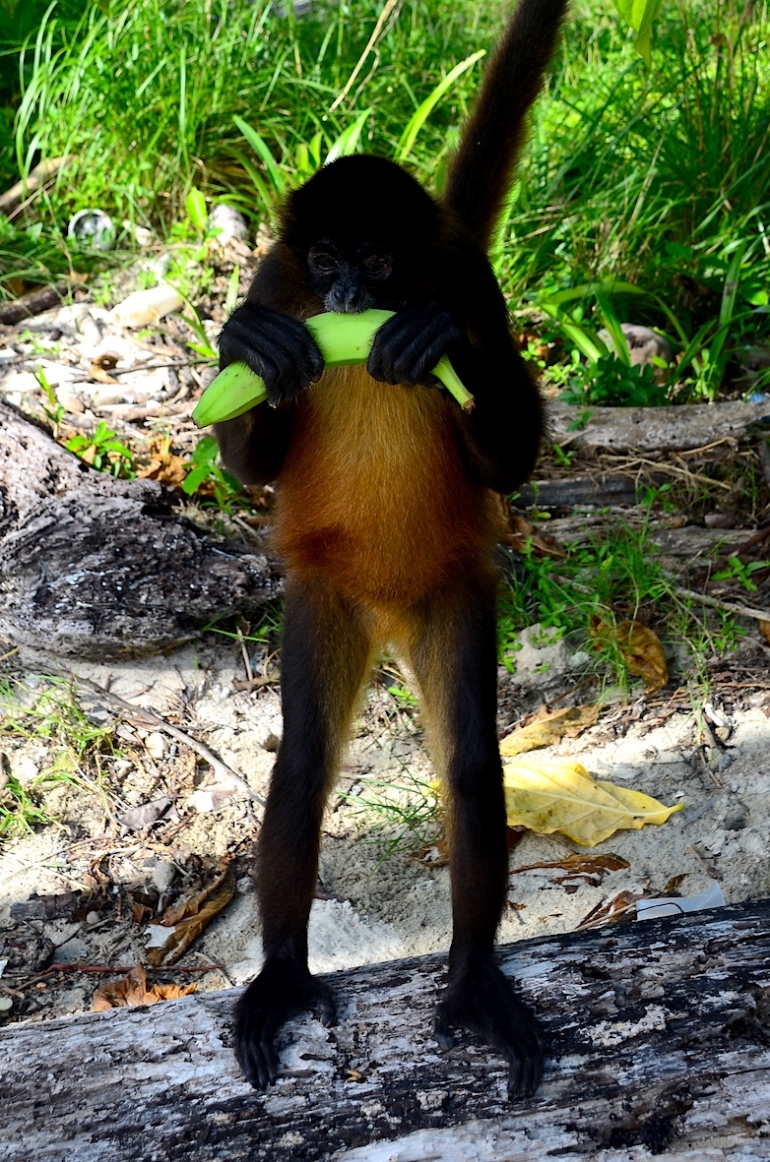
In Panama a three-toed sloth is called ‘oso perezoso’. A lazy bear.


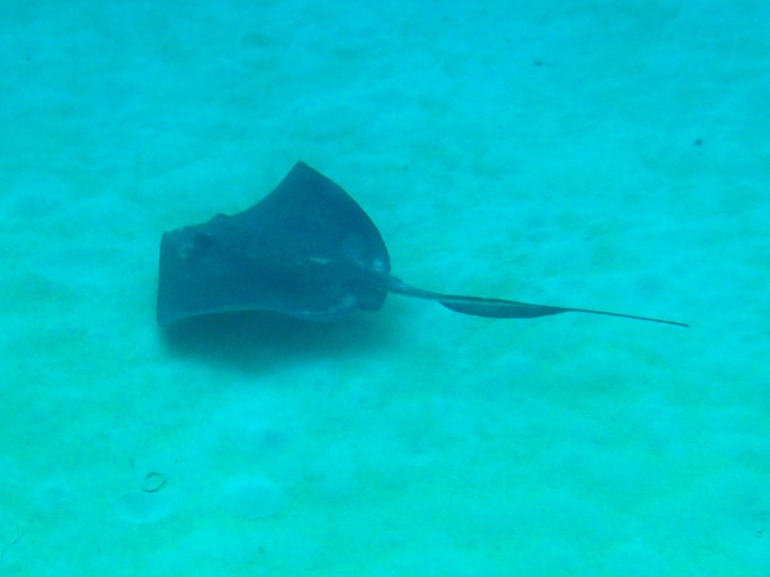
Stingray

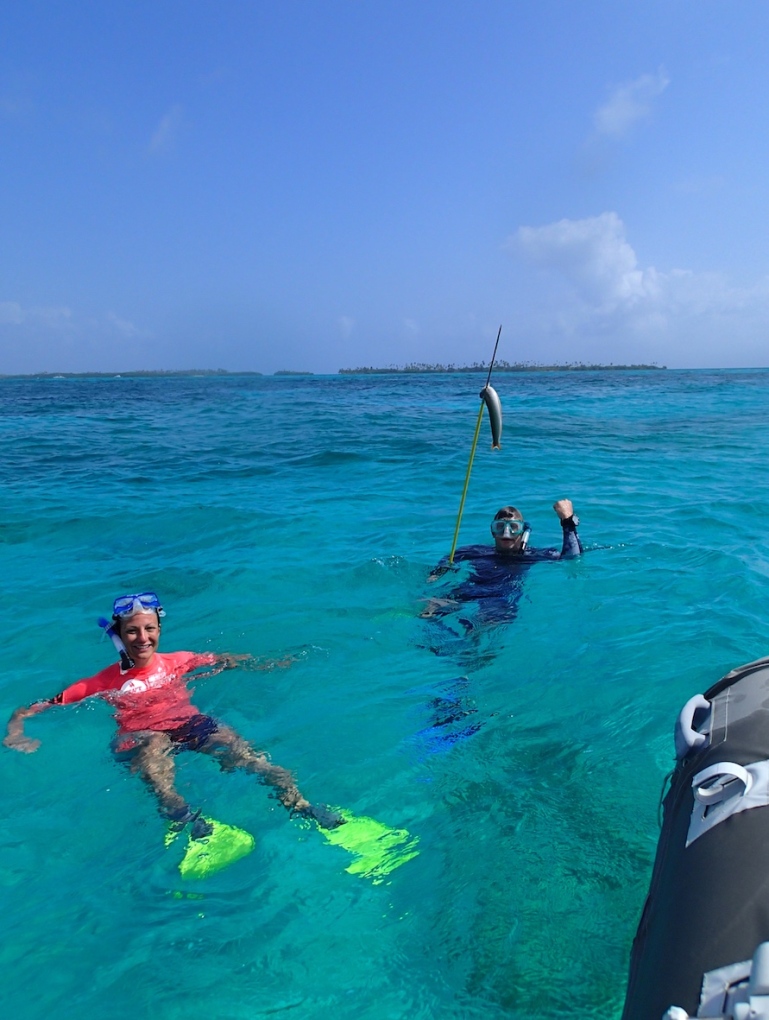
Scotty’s first kill


Scotty’s hold-down training


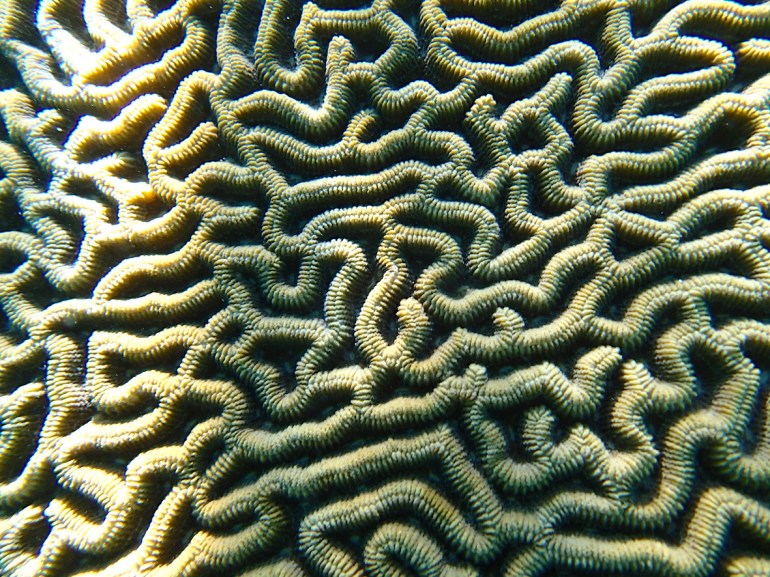
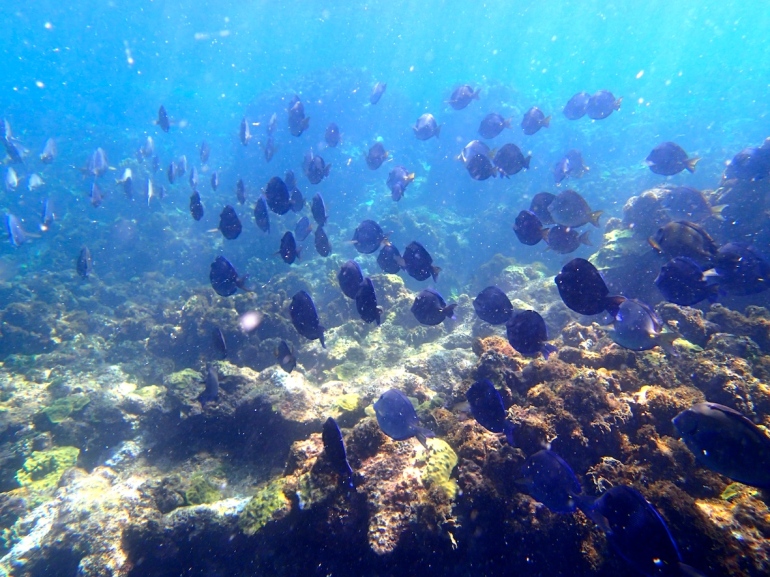
Brain coral at Yansaladup


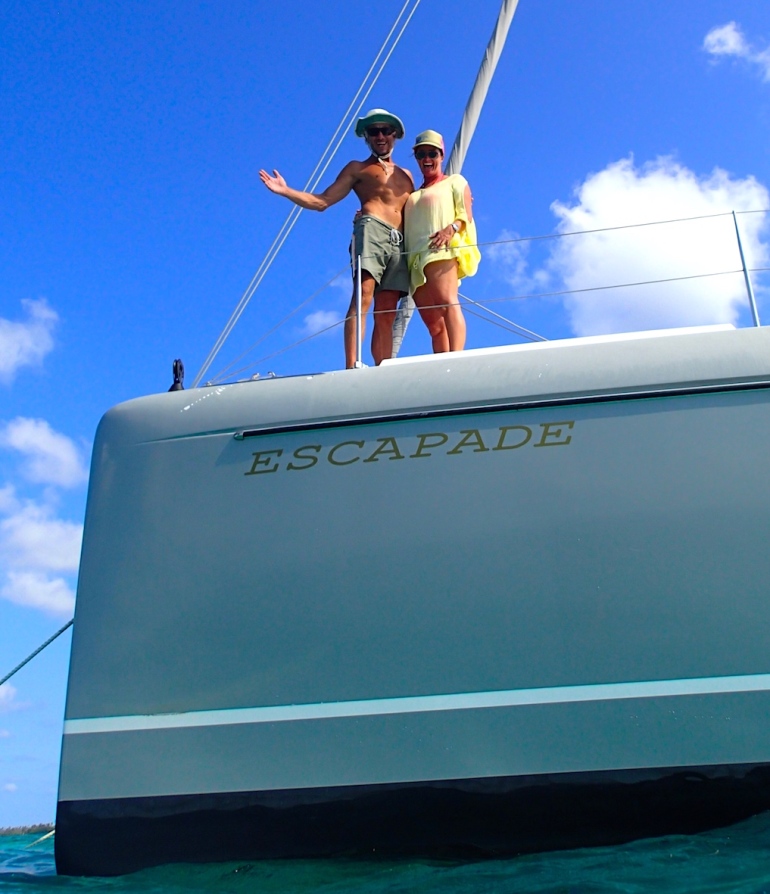
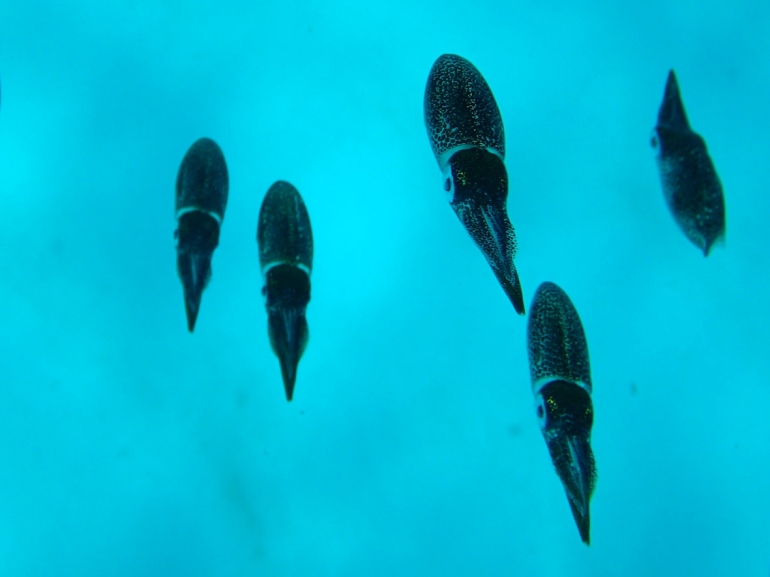
The squadron of squid that lived under Escapade for a week


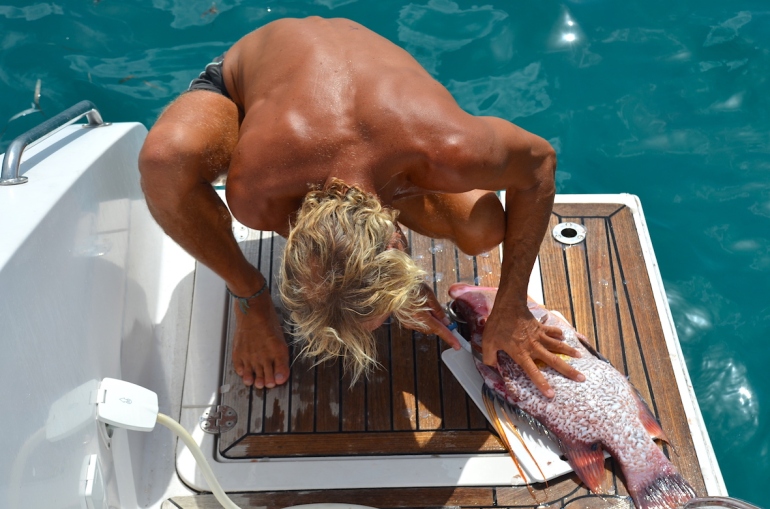
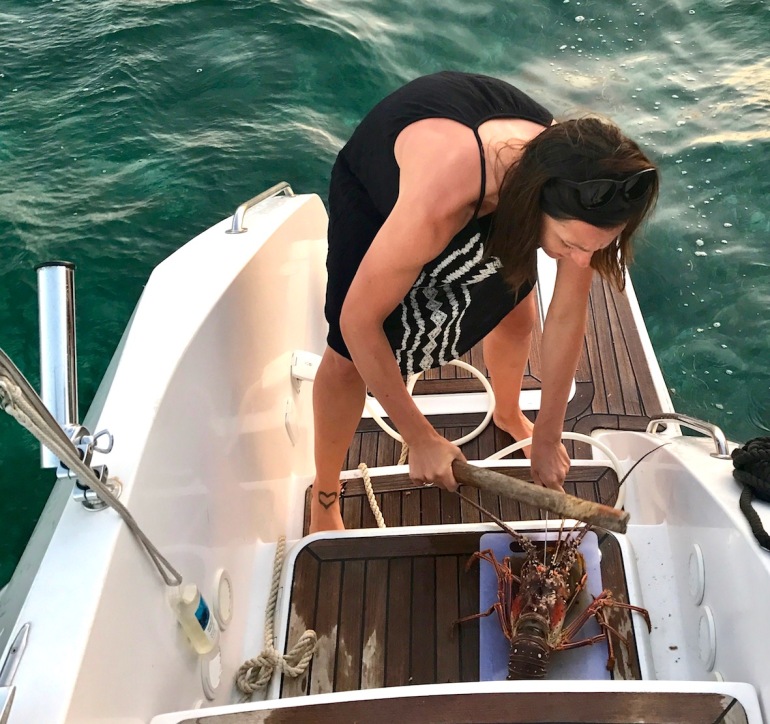
Sam vs Lobster


Another Outremer skipper with great taste in anchorages

New crew earning their passage..


This all seems a bit out of date now, we’ve been offline for a couple of weeks , but here’s the blog notes..
29.12.16
Leaving Cartagena


30.12.16
Islas Rosario
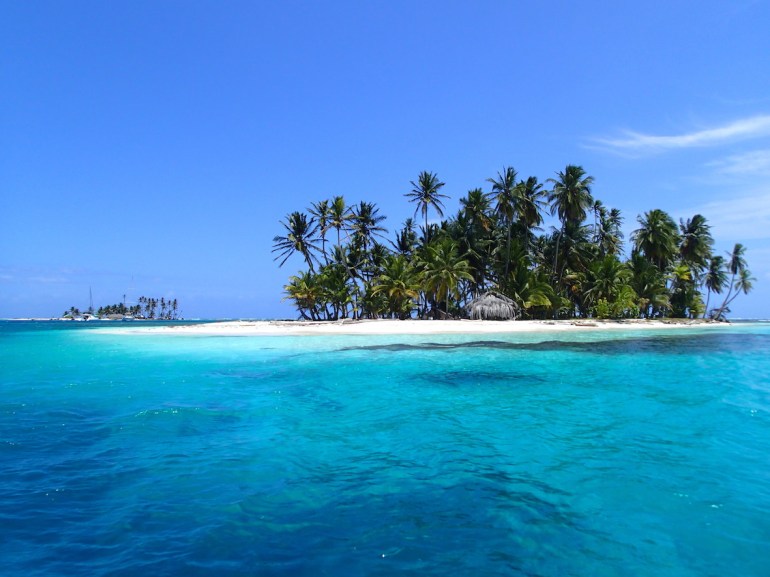
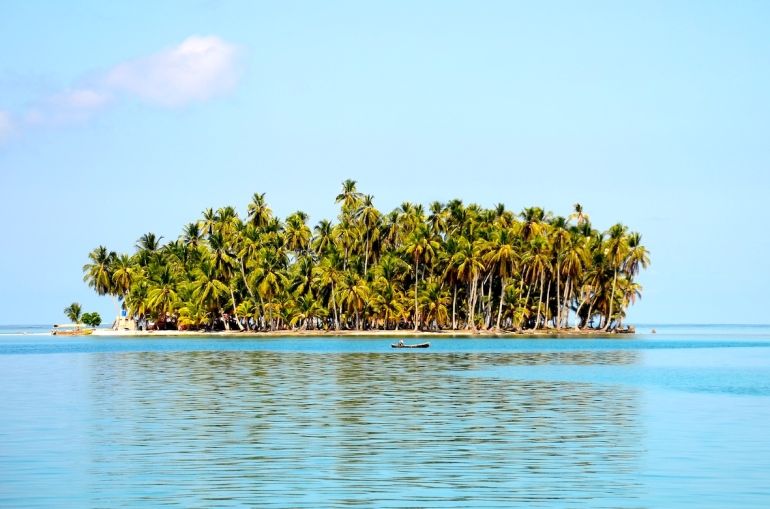
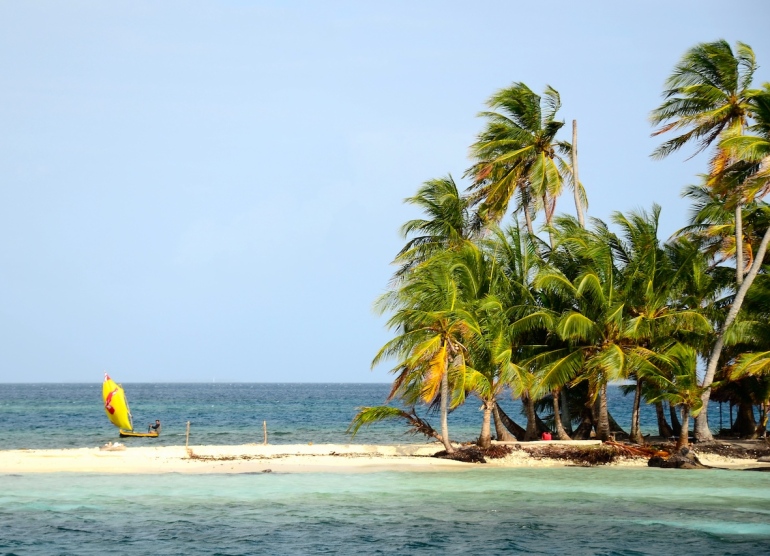
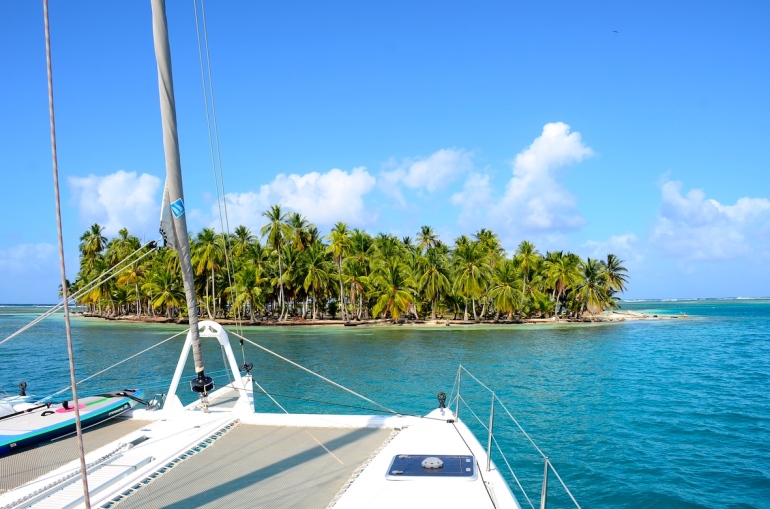
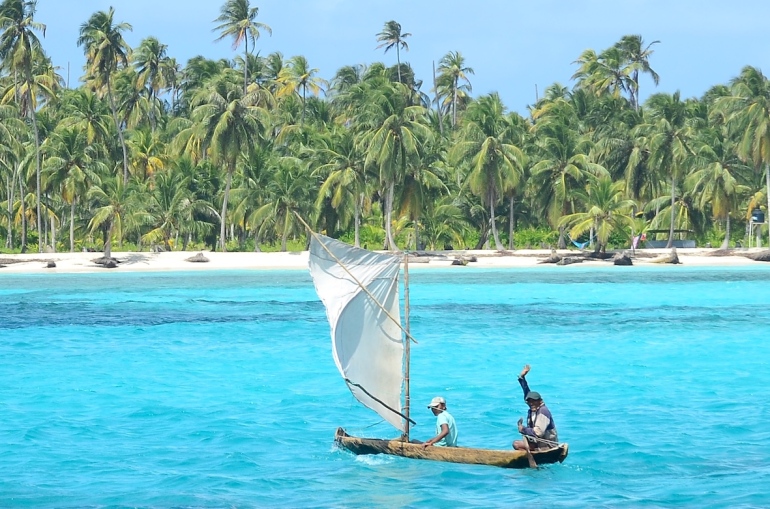
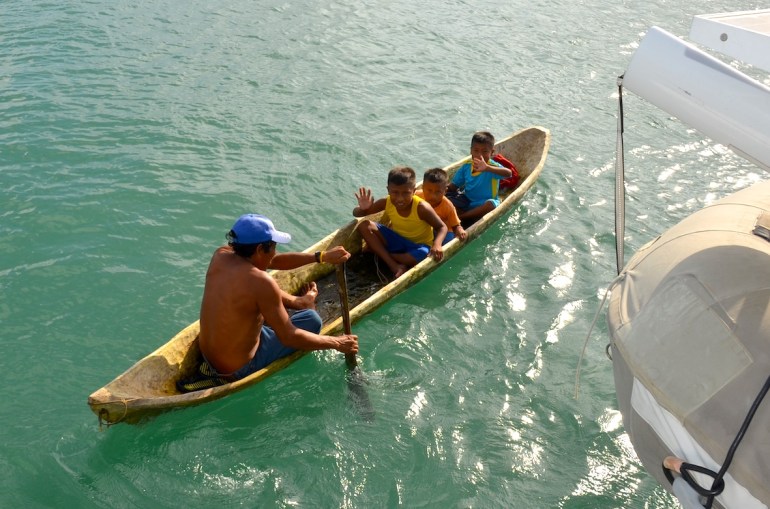
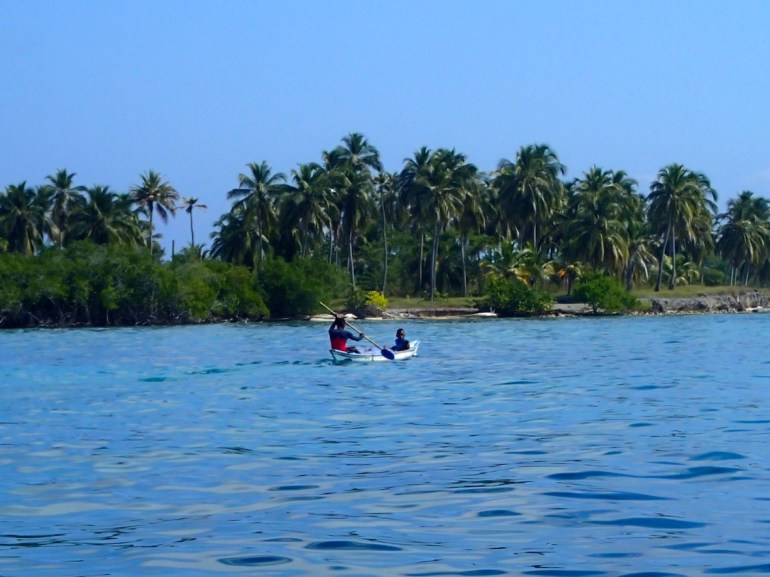
I wake to silence. No wind, the sun is just rising. A boy paddles past in a dugout. the water is glassy and I can see fish swimming around the coral beneath us.

Yesterday we left the spectacular city skyline of Cartagena in our wake and today we’re in another world. Back to island life.

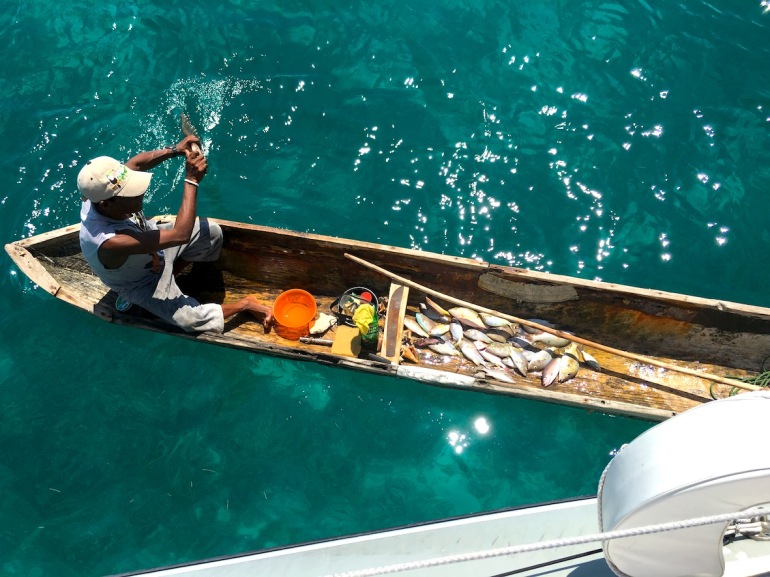
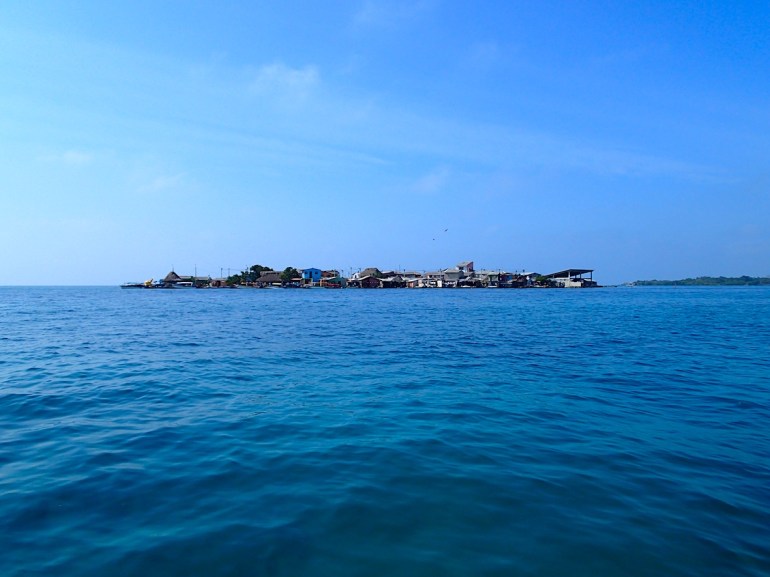
As we sailed in here yesterday, an enterprising fisherman paddled over and closed the deal on our lunchtime lobster before we even had the hook down. He told us there are 800 people living on his island and everyone knows each other’s name. Bit like Guernsey.

Sailing to the San Bernardos
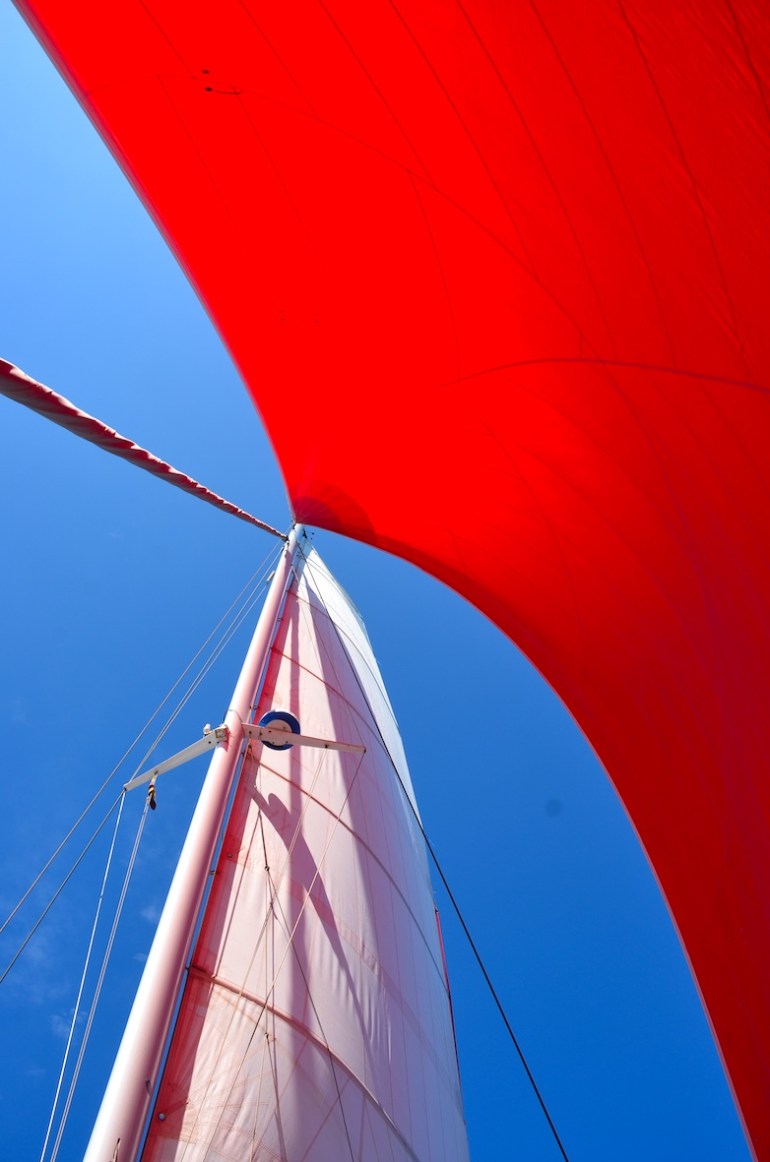
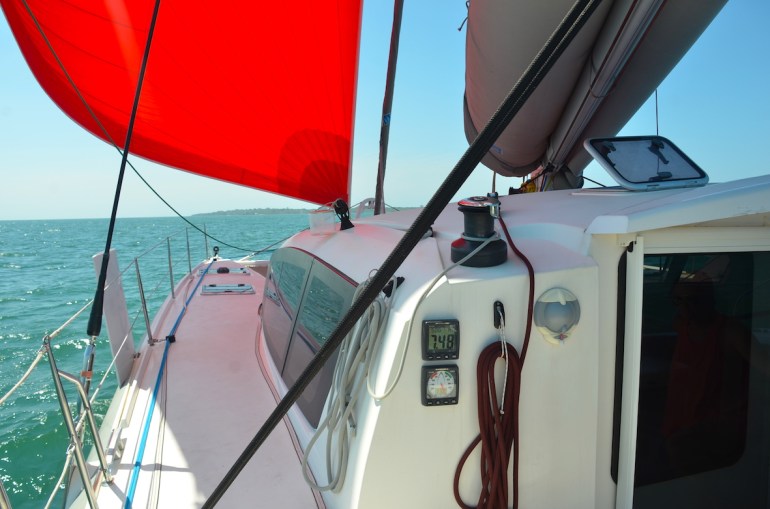
Since we rounded the last headland we are out of those roaring trade winds and our route now to the SW seems to be in lighter airs in the lee of the coast. We left with full main and gennaker, our maximum total sail area of 180sqm, ghosting along at 3kts in 5kts of wind. The breeze fills in at noon. Sharp. Still only about 10kts but we are broad-reaching, daggerboards up and gliding silently along at 8 and 9kts, dining on a freshly landed bonito.

We won’t get spooled again..
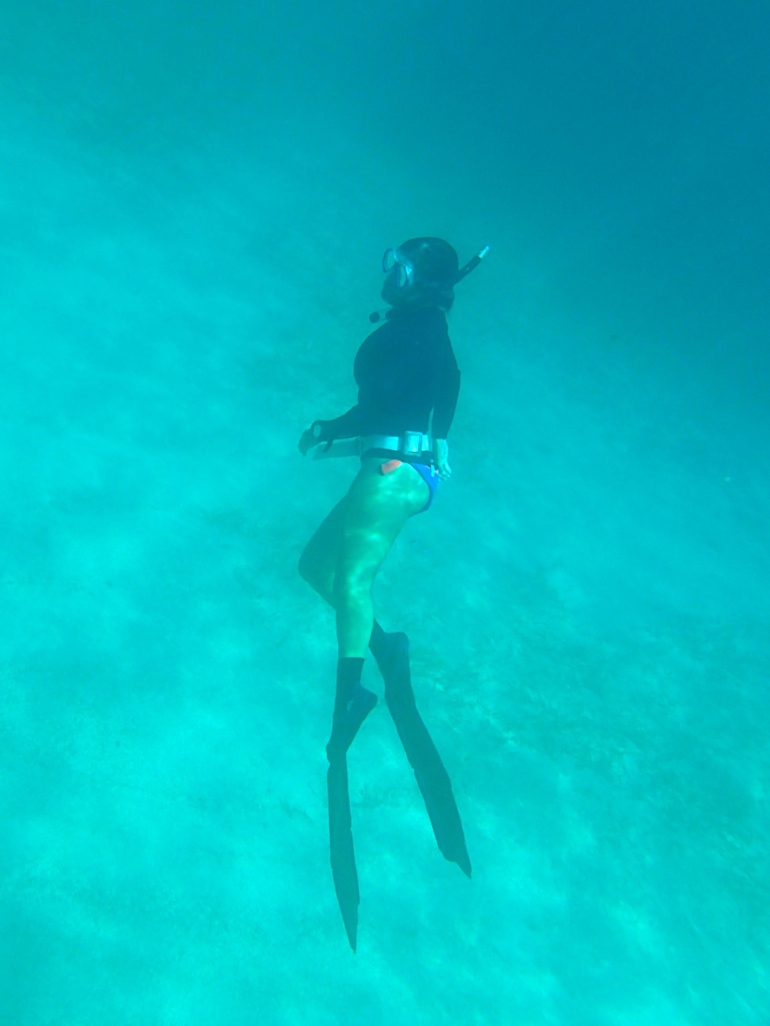
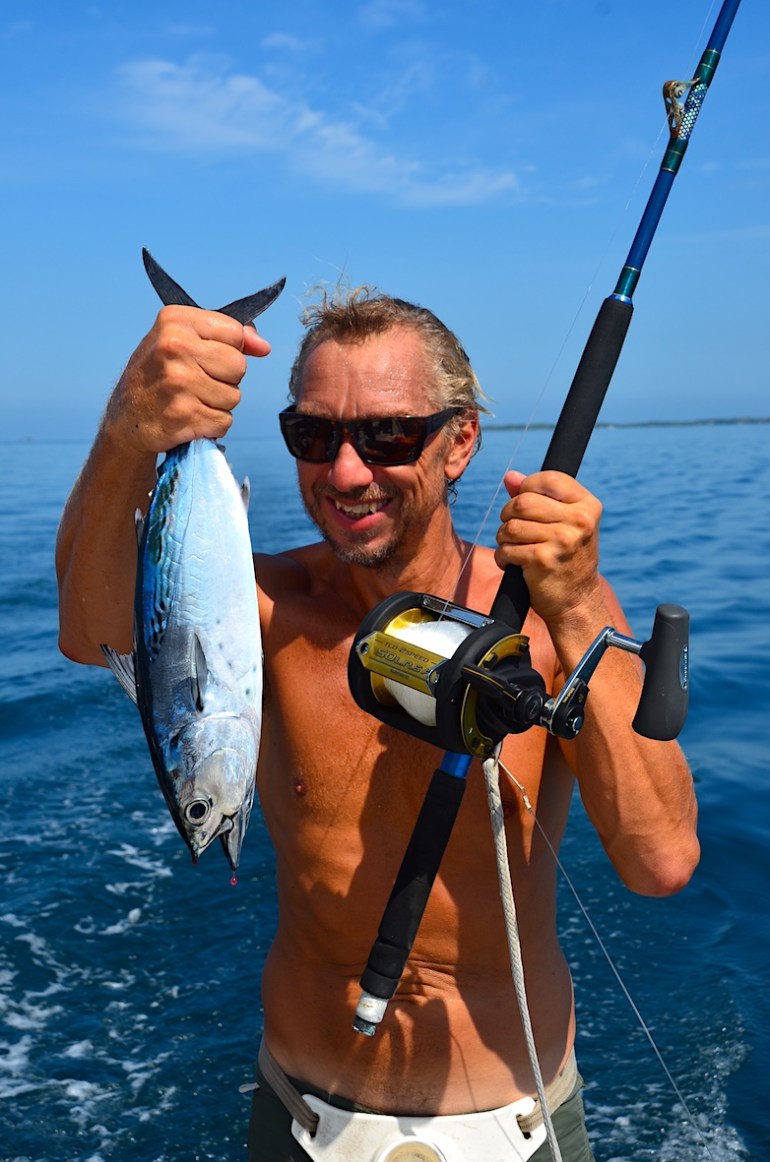
We have been trying to fine tune our trolling gear to catch sensible sized fish whilst underway. Last season’s cedar plug was attracting big game and we hate to get ‘spooled’ (huge fish on the hook and no way to fight it, watch as the line disappears in a cloud of smoke). So now we have acquired some much smaller cedar plugs which we hope will appeal to a more reasonably sized fish. Ideally dinner for two rather than protein for a month. We have also invested in a serious new Shimano reel, acquired in the best fishing shop I have ever visited. If you’re ever in Maui and feel that you really want to kill some marine life, I recommend a visit to Brian Yoshikawa’s fishing and spearfishing emporium in Wailuku: ‘Maui Sporting Goods’. Actually not very sporting I’d say, at least from the fish’s point of view. Racks of beautiful handmade wooden spearguns, an impressive collection of Hawaiian weapons built to slay big fish. Brian has been free-diving since before it had a name, he also supplied me with a free-diving watch that will not only tell me my depth but also my heart rate as I descend. Now I’ll be able to see exactly how those relaxation techniques are working.
Anyway, I explained my ‘spooled’ problems to Brian, who immediately prescribed a gigantic golden Shimano reel the size and weight of a gallon tin of antifoul. Far too heavy for my boat, rod, or arms, I explained. Eventually we settled on a lightweight model (most of the massive metal replaced by graphite) with two gear speeds and a heavy duty drag lever, to control the rate at which the poor doomed beast can attempt to flee.
It has since occurred to me that for the money I gave Brian for the reel, I could have given up fishing, installed a chest freezer on Escapade and eaten fillet steak and fois gras all the way across the Pacific, but where’s the fun in that?
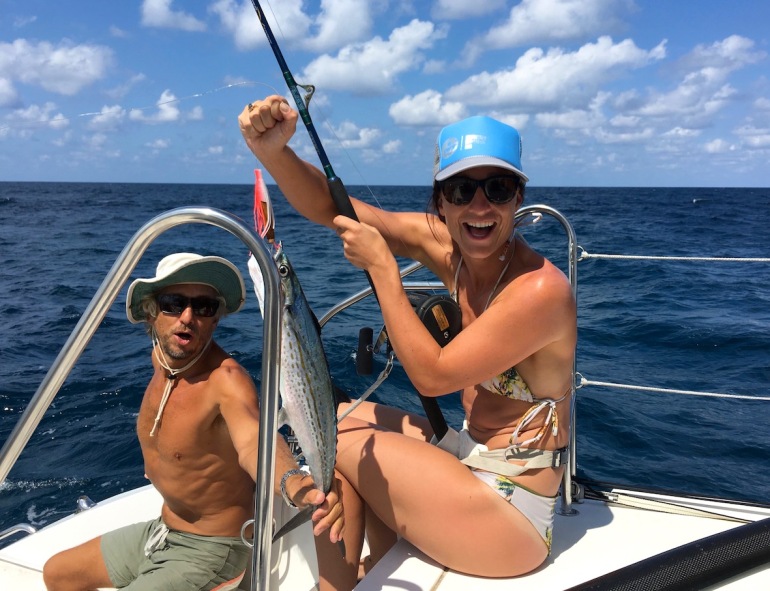
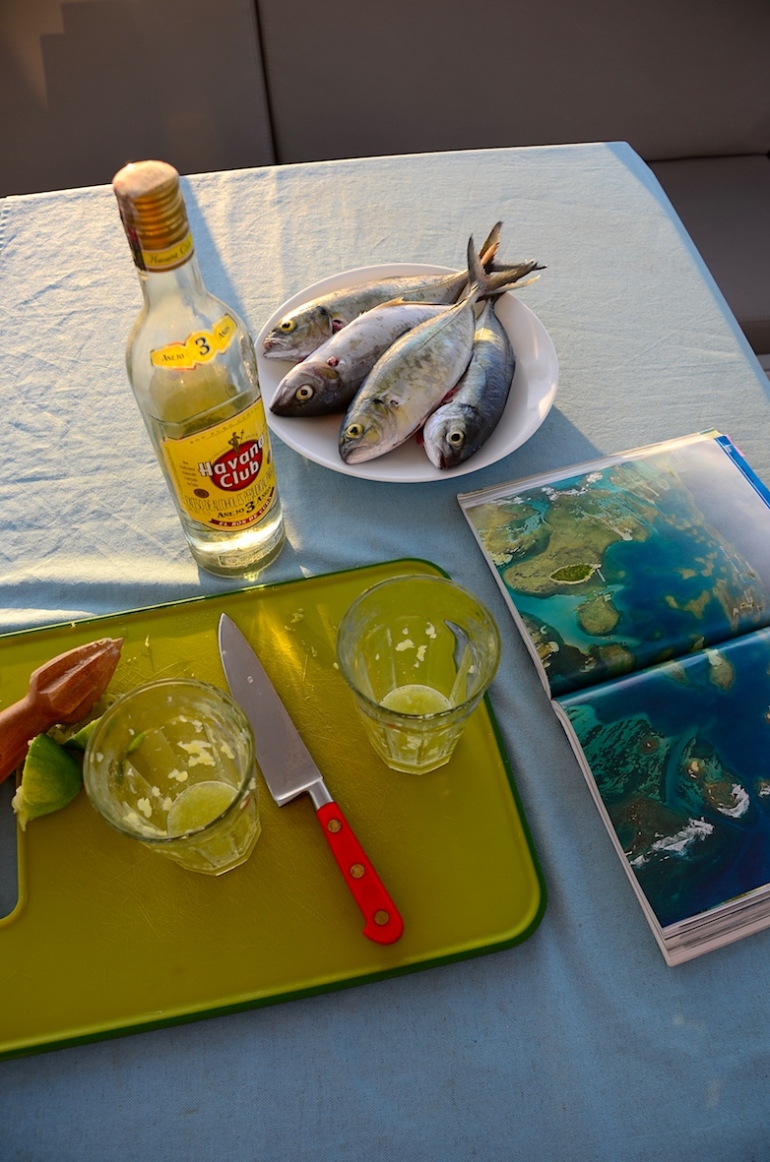
So this thing has been on board for a month now but we’ve been sailing too fast for fishing, today was the first time we tried and the result was this very sensibly sized lunch for two.

31.12.16
Islas San Bernardo
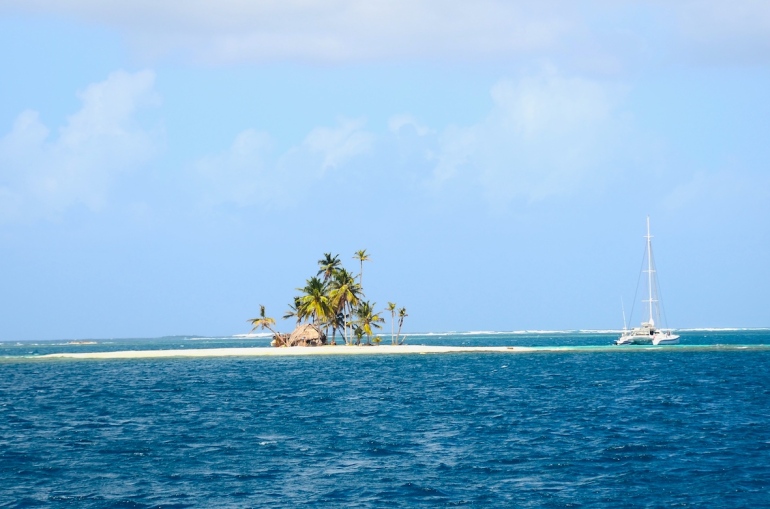
Today’s anchorage sees us just 25 miles further SW off Isla Tintipan in the San Bernardos. The archipelago consists of 10 islands and lots of coral, a few local dive operations and some beach houses owned by wealthy Colombians.
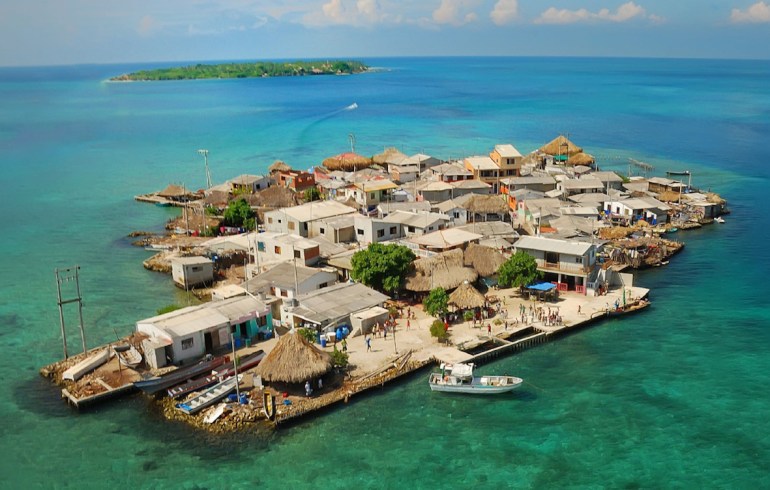
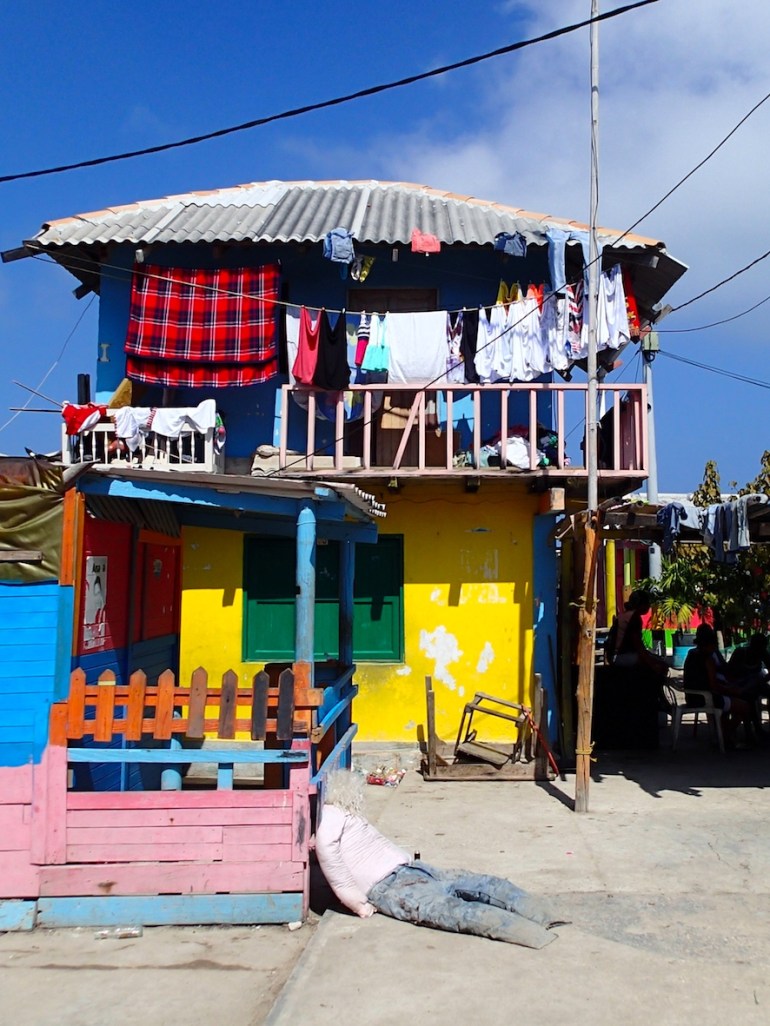
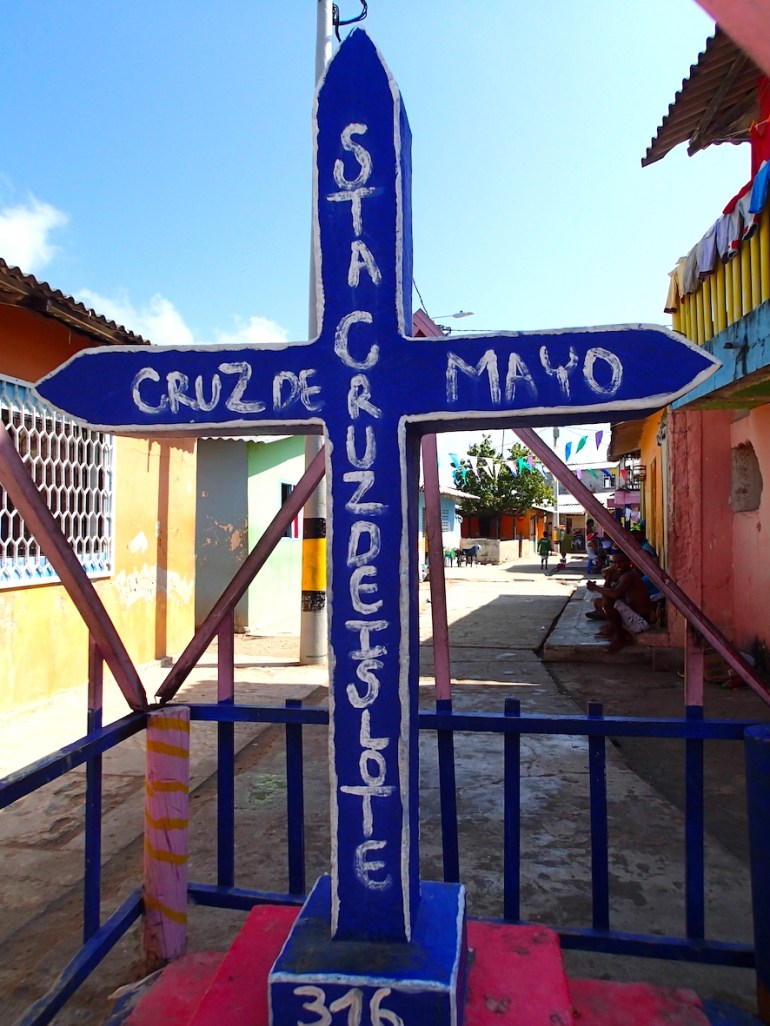
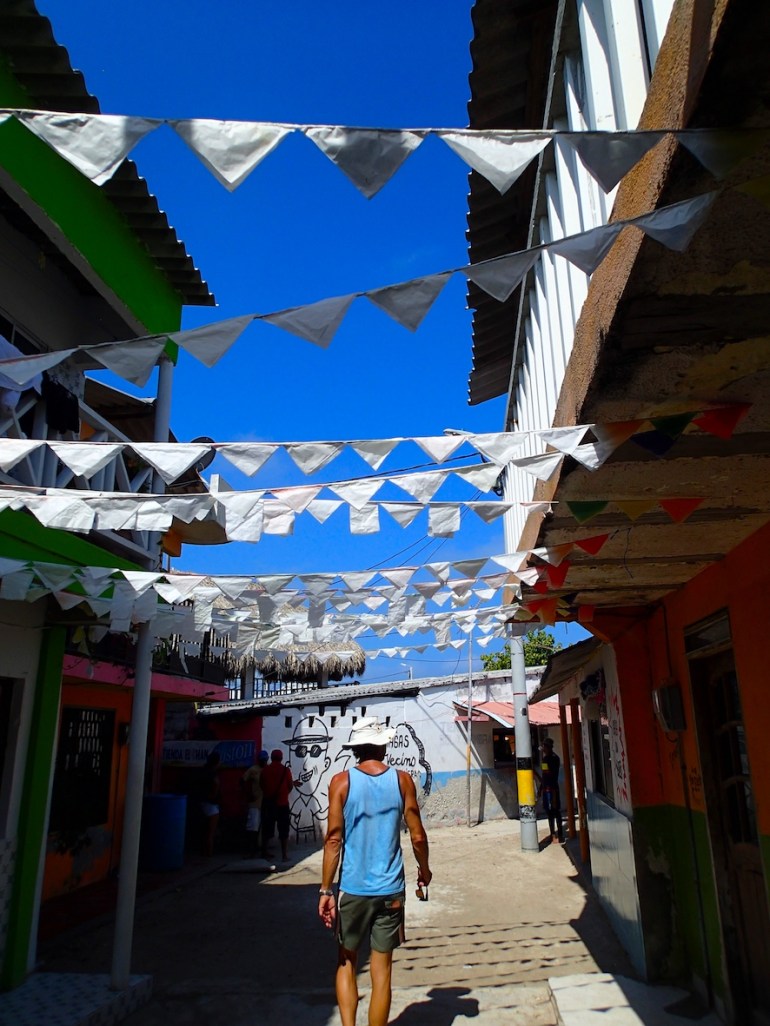
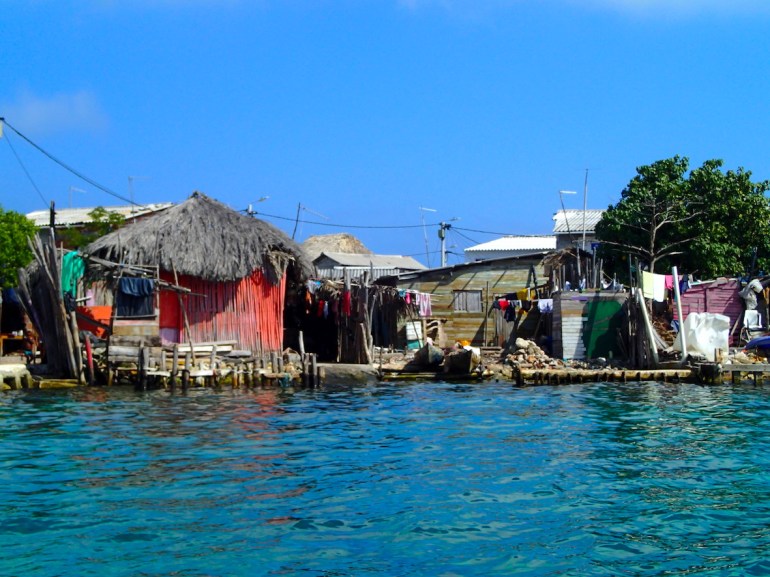
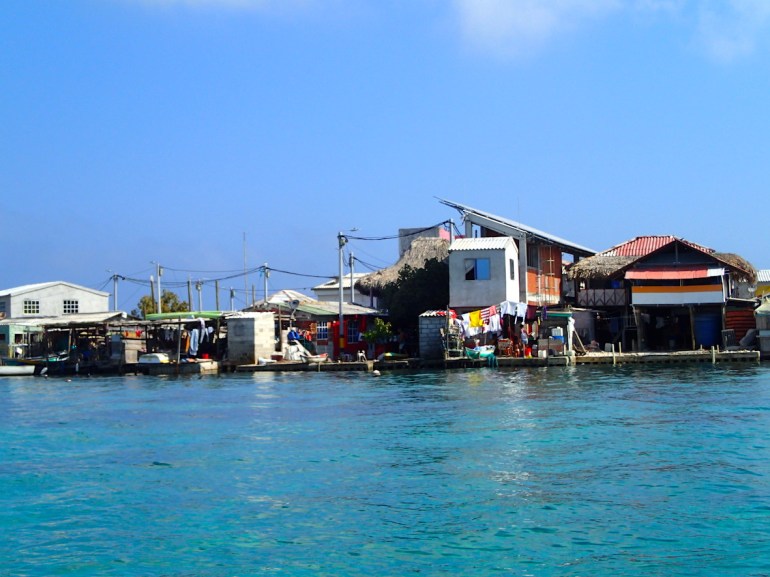
But almost all the local people (1200) choose to live on top of each other on one tiny islet: Santa Cruz El Islote. It’s packed. The highest population density per square metre in Colombia.

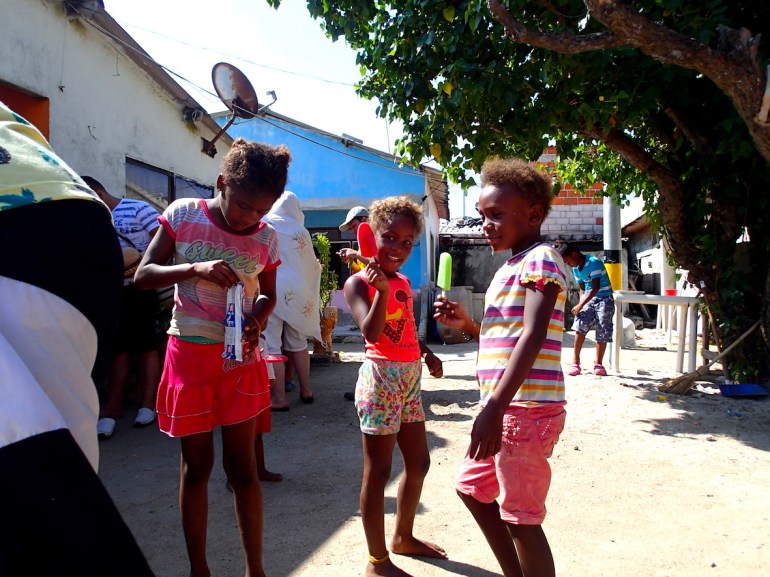
We went in the dinghy to visit, strolled through the tiny village, friendly people, a couple of ‘general’ stores. I had a conversation with the ice-cream man who spoke very rapid spanish. I thought he was trying to sell me some local children, he showed me several, told me their ages and a price. Seemed very reasonable. In fact I was buying them all an ice cream. Everyone was very happy with the deal. Feliz Ano.

The Great Helados Heist


01.01.17
Insects
With the exception of Western Australia, Colombia has more flying insects than anywhere I know. In WA they are just flies, millions of them but all the same, whereas here it is a full and varied menagerie.
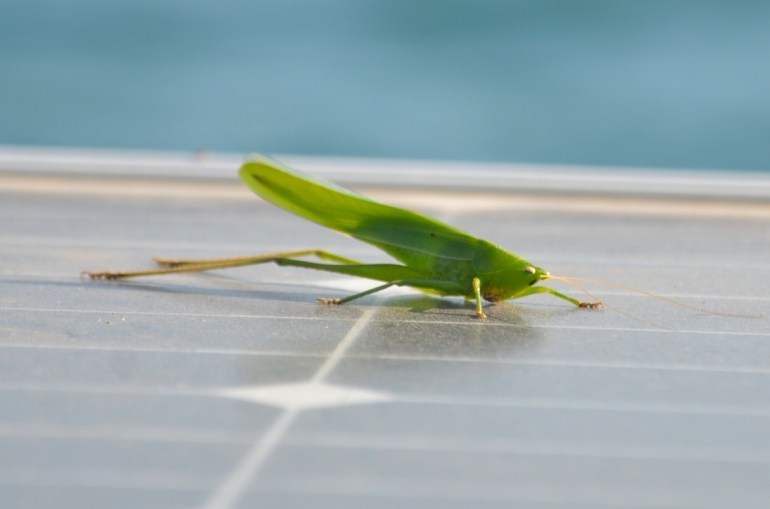
We are island-hopping close to the coast which is I think is covered with a well-stocked rain forest. I usually have a ‘zero tolerance’ to flies on board and I’m a dab hand with the fly swat, but here I’m just overwhelmed. Such a variety of elaborate insects seem to swarm around the boat. Beautiful dragonflies with unlikely colour combinations, some so big it’s amazing they are airborne. All kinds of beetles, moths the size of bats and butterflies that appear even miles off shore. grasshoppers, crickets and/or locusts all hitch a ride with us. Then there are these whacking great hornet type things with long dangly legs. If one of those comes at you you will shout swear words, and probably run away. Today we were ghosting along escorted by the usual cloud of assorted insects, all of the above and more. I have decided to live and let live, unless something actually tries to bite me.

03.01.17
The Isthmus of Panama
Isthmus. Now there’s a word to conjure with. An unbroken stretch of four consonants between two continents.
(sorry)
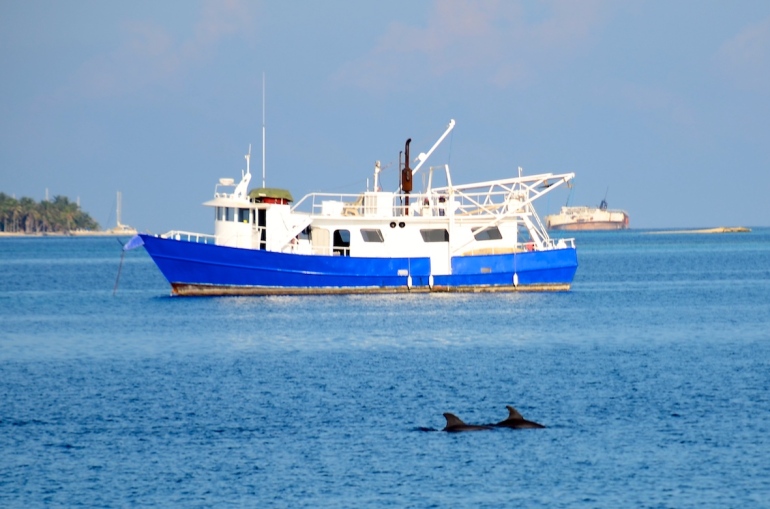
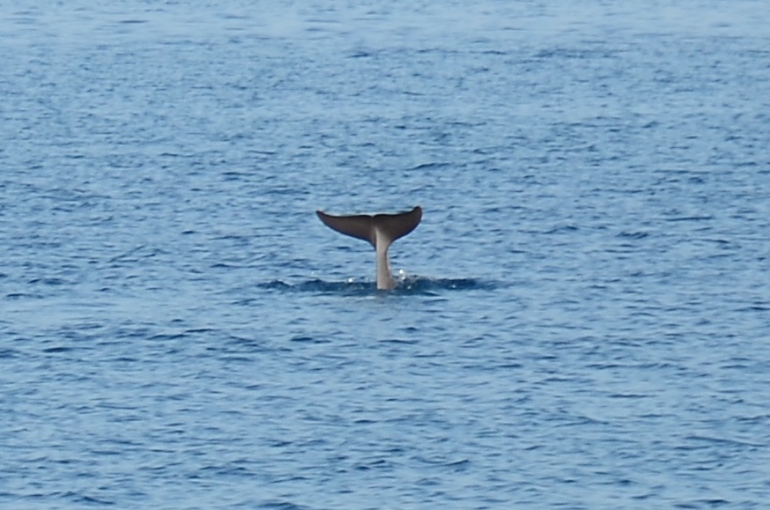
Yes we have finally reached Panama. We sailed through the night from Isla Fuerte off Colombia to Puerto Obaldia on the mainland Panama coast. It was one of those balmy evenings on the empty sea. Sailing down the glittery path to the setting moon. Dolphins, shooting stars, coconut water with lime juice and rum. Trying to slow the boat down so we could arrive in daylight. We had hoped to land at Obaldia to clear customs, but there was a big swell running, surf breaking round the anchorage and no way to safely anchor. We sailed on to Puerto Perme and our first Guna settlement.

04.01.17
The Guna Yala
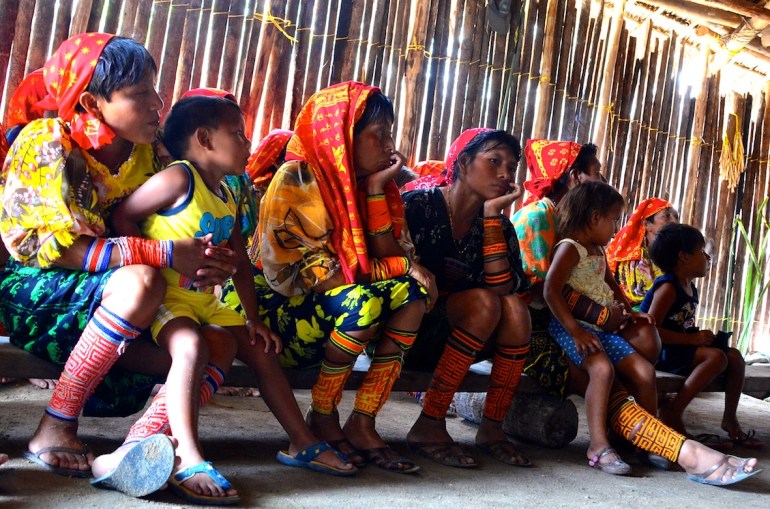
This region of Panama is the territory of the indigenous Guna indian tribes who run it almost as an independent country, the Guna Yala.
The Guna have somehow managed to preserve their lands, language and culture through the course of history.
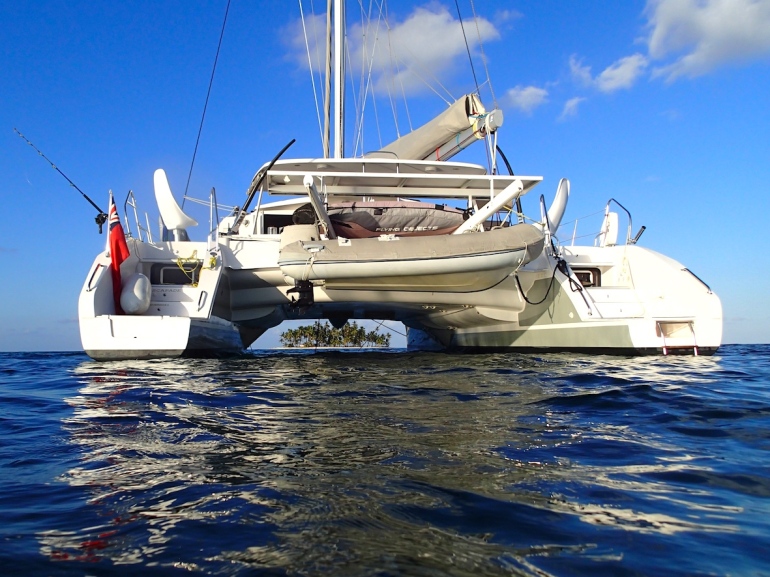
It is now said to be the most intact tribal system in the Americas and their pristine world contains mountains covered with virgin rainforest where no human has ever been.
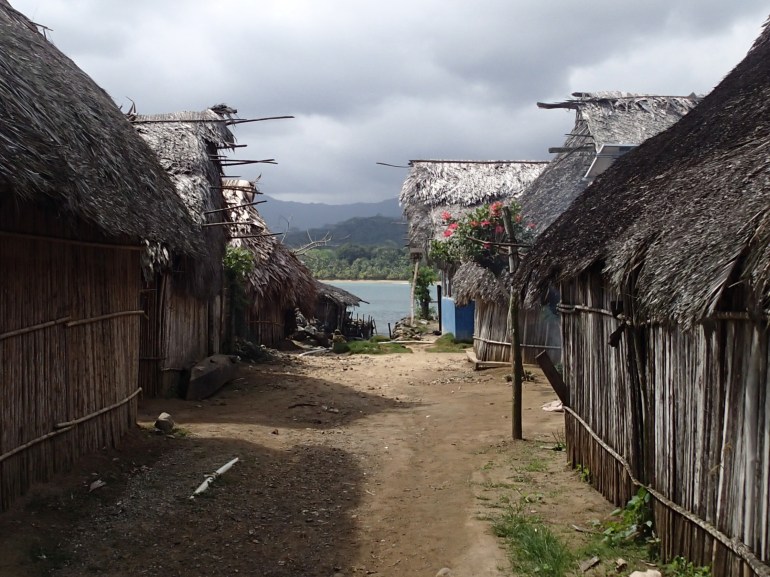
Today we were welcomed in to the Guna settlement of Achocucho. This is a remote fishing community which also grows coconuts, bananas, plantains and children.
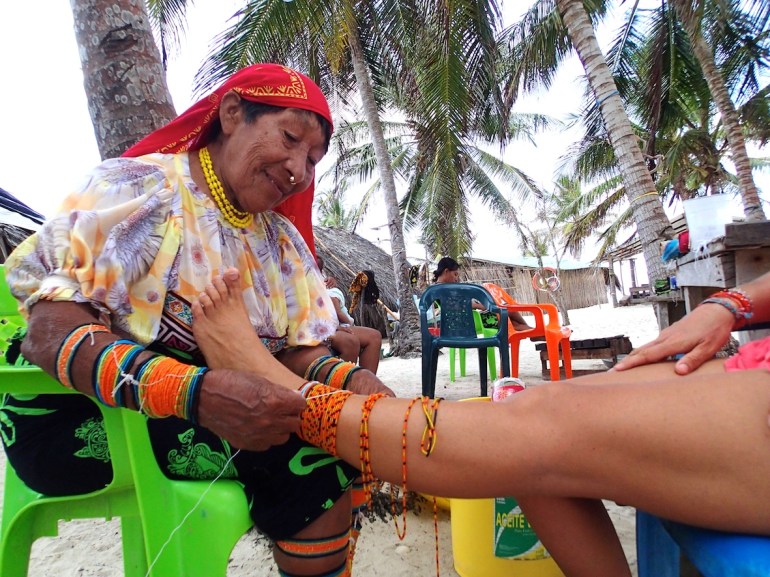
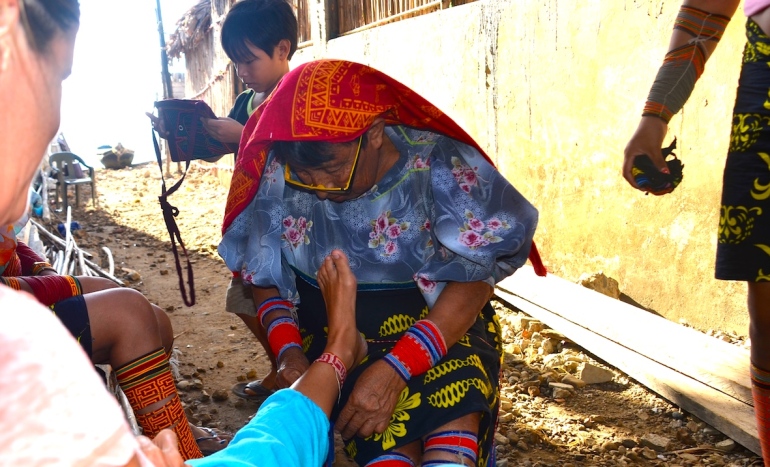
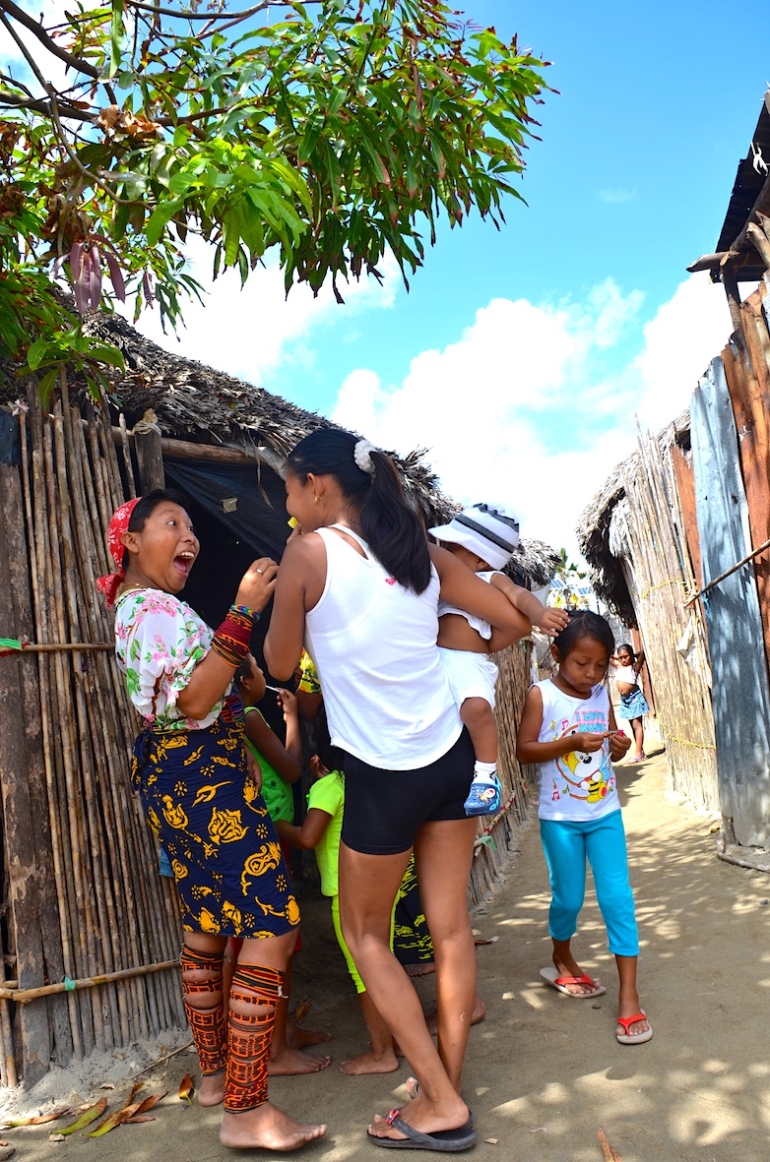
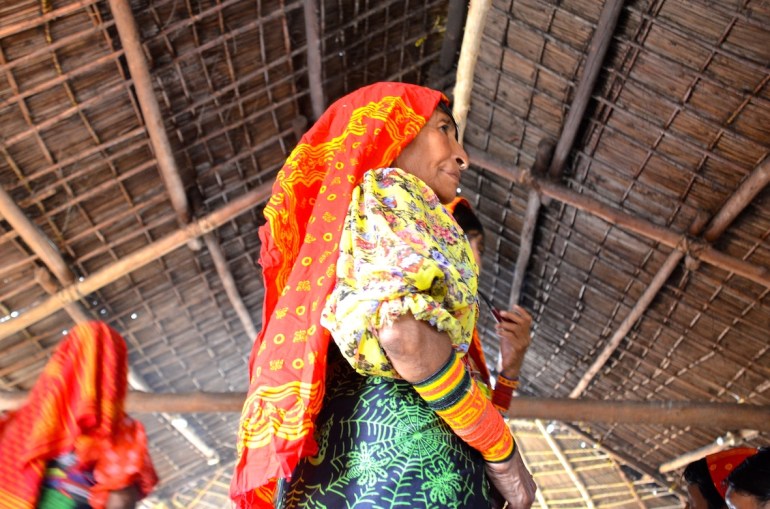
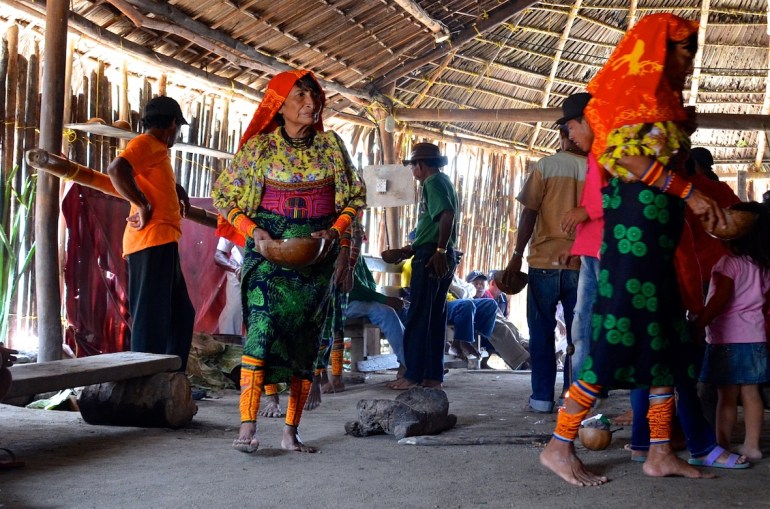
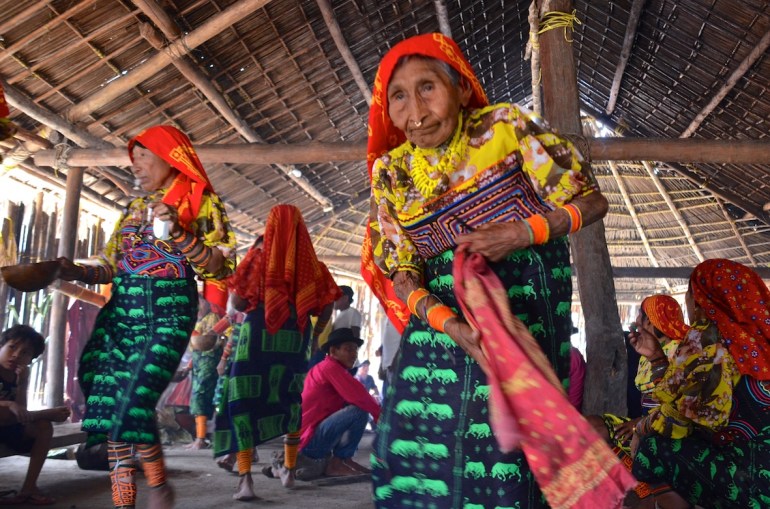
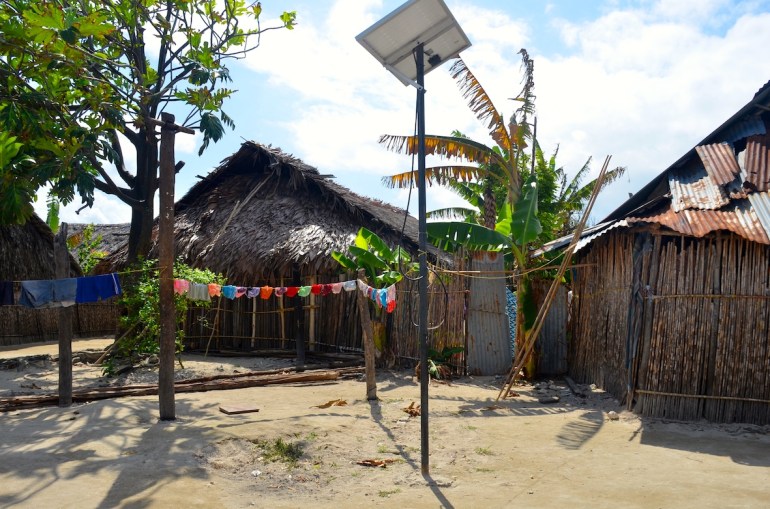
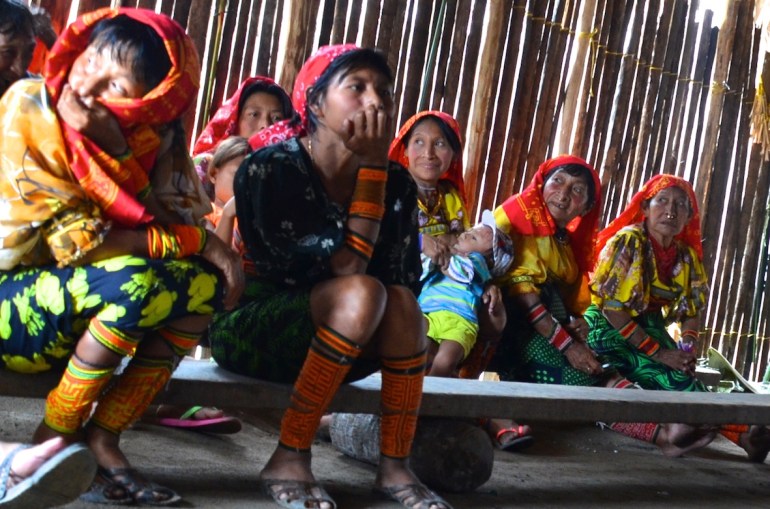
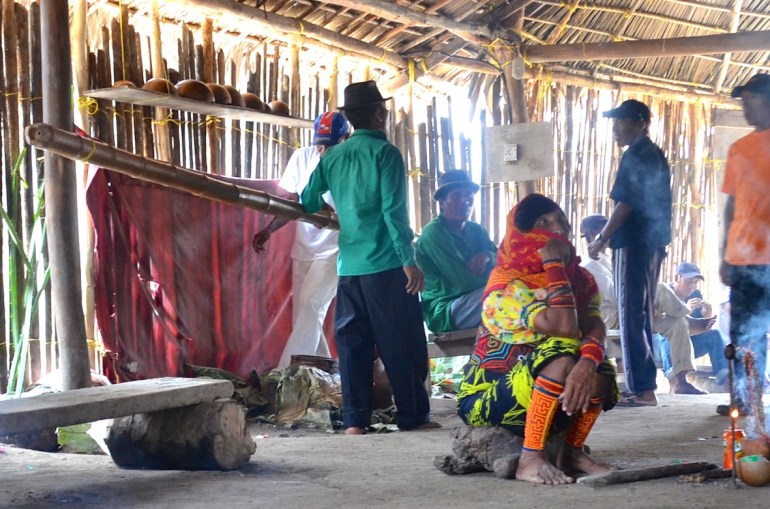
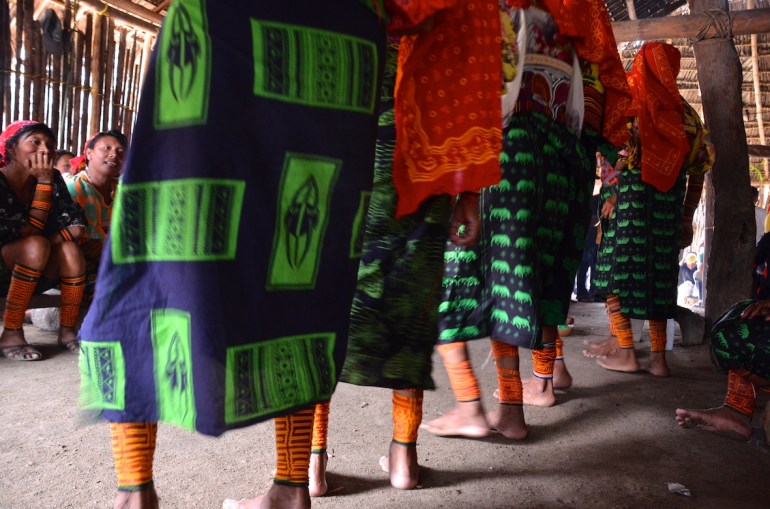
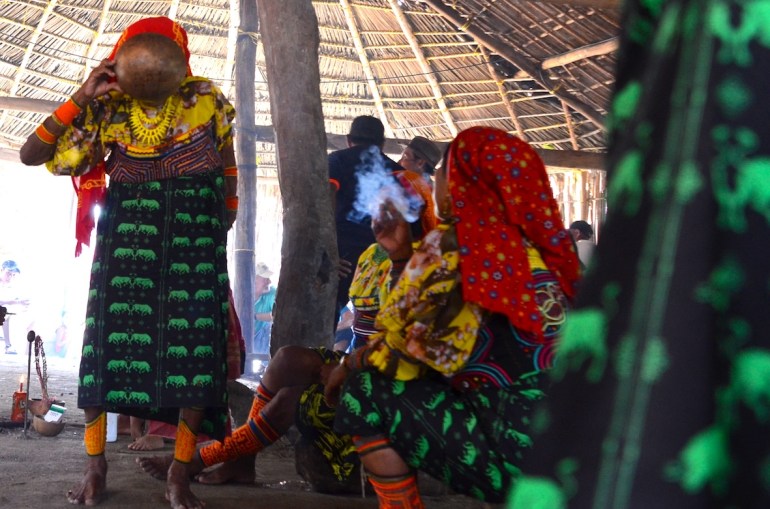
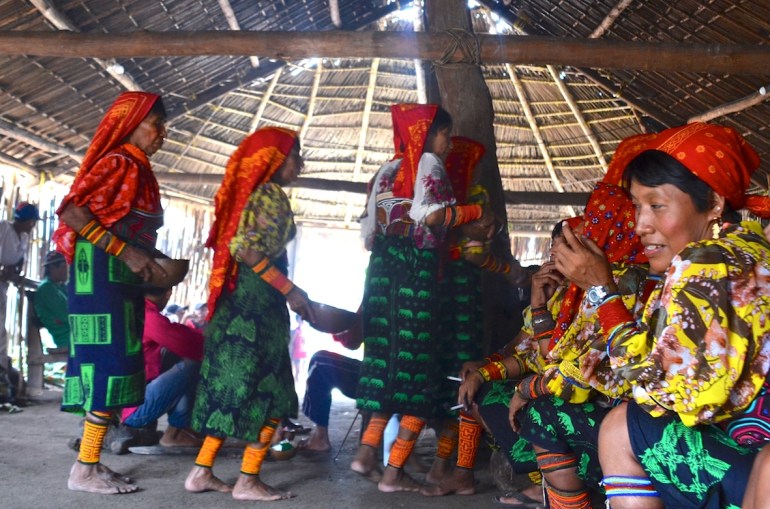
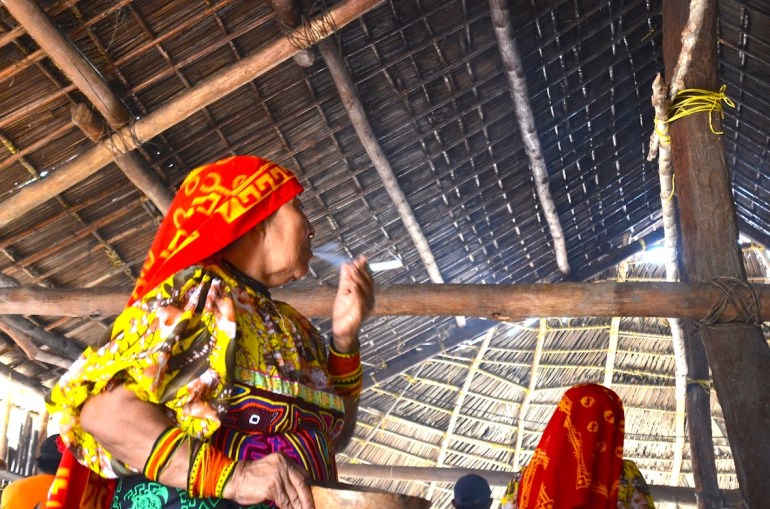
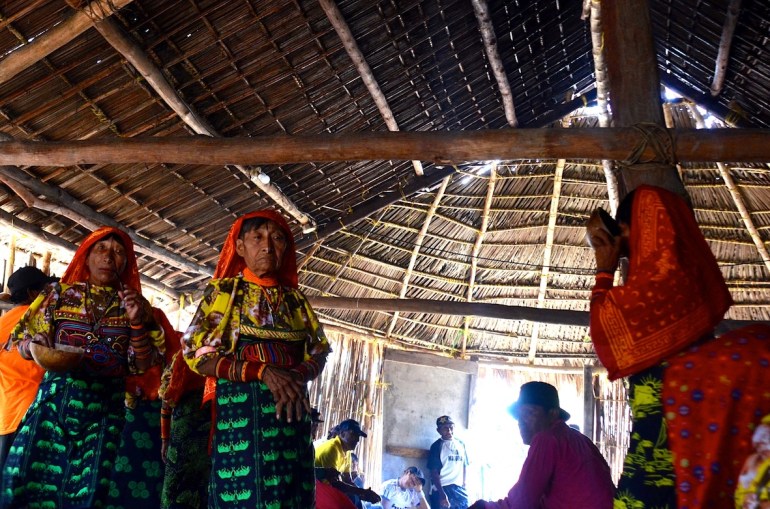
We wandered down the sandy paths between the traditional Guna huts. Packed dirt floors, woven walls and palm thatch roofs. The women are in tribal dress, elaborate woven garments and sort of beaded leg-warmers from ankle to knee. Some have gold rings through their noses.

Children running everywhere, excited to see us, peering round a hut, waving, then running off squealing. Many of the women and girls seem to be busy sewing, otherwise people are mainly lounging in hammocks in the shade, chatting, laughing and having a lovely time.

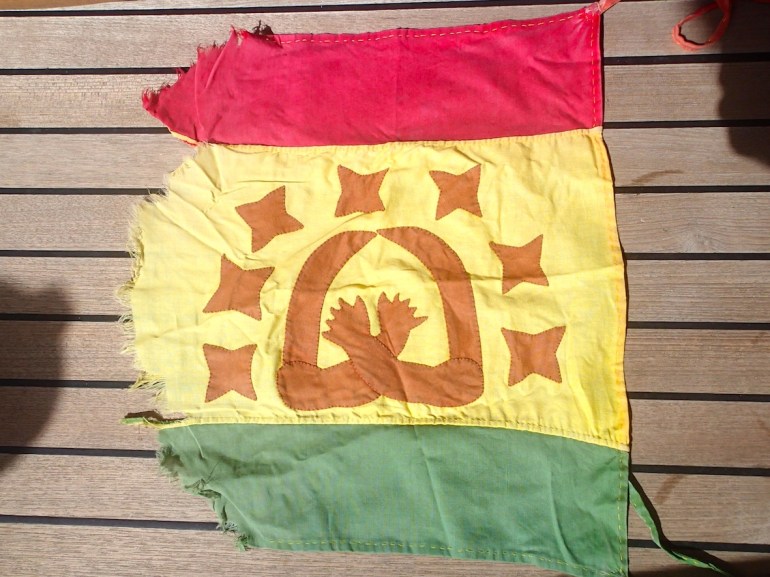
Girls invite us to look at the ‘Molas’ they are creating, multi-layered applique work that is cut and sewn in tiny detail. This traditional Guna craft forms part of their attire. They want to sell them to us for a few US dollars.
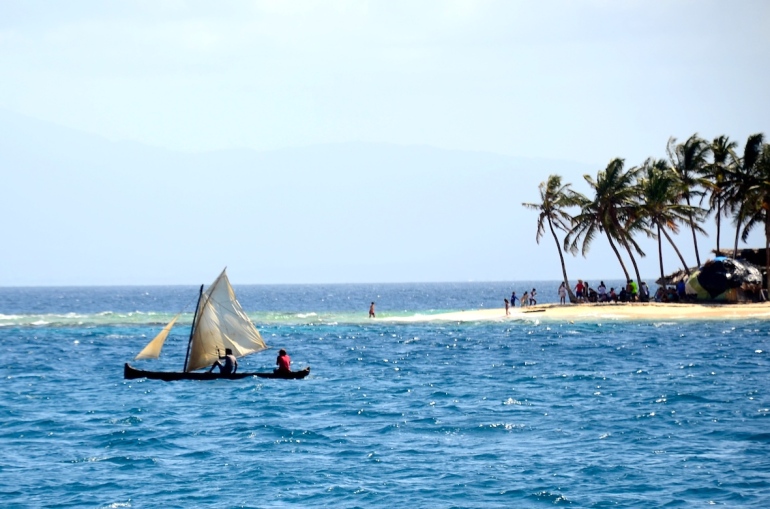
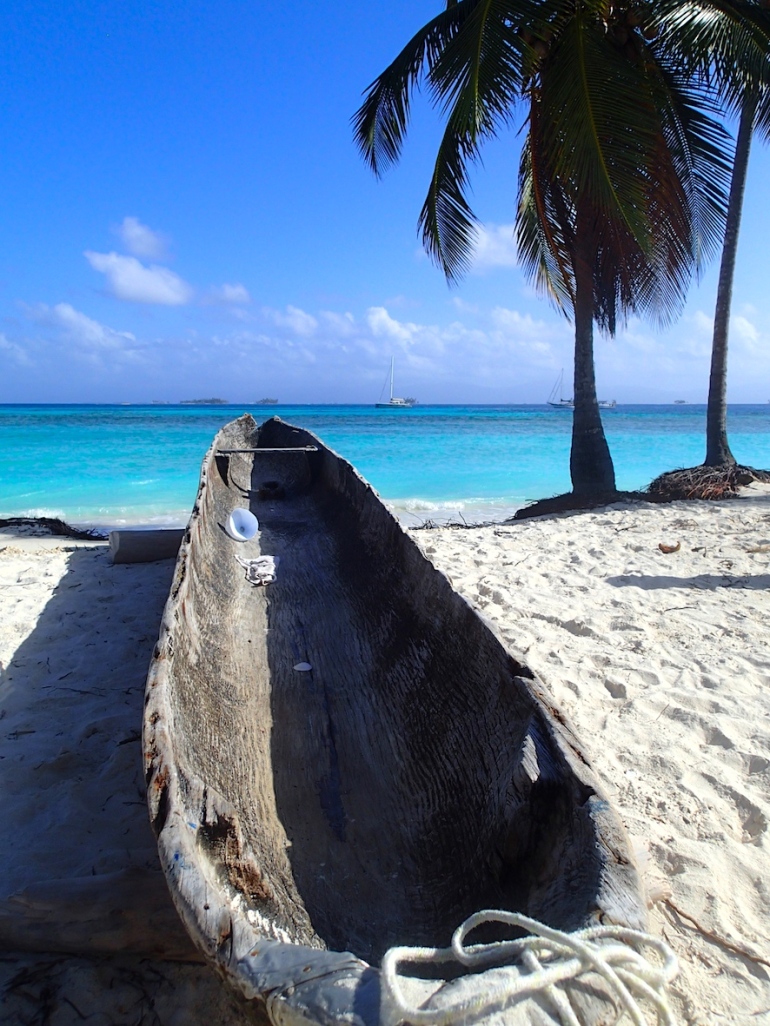
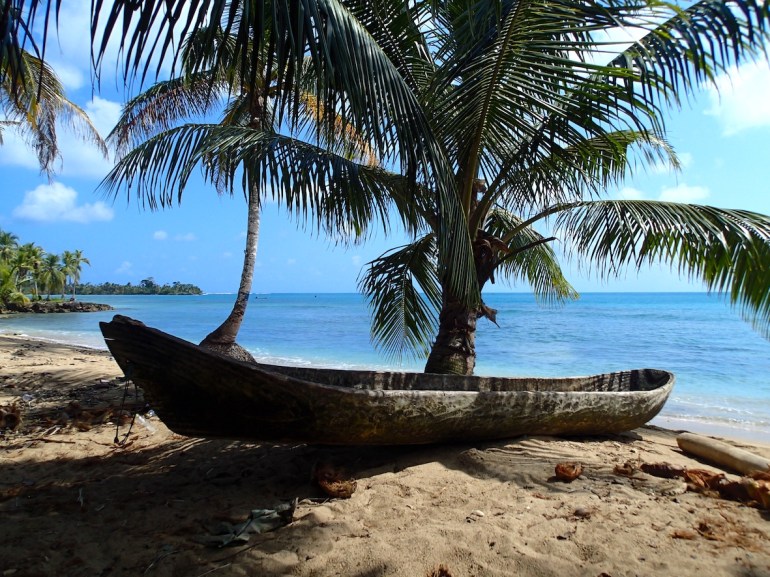
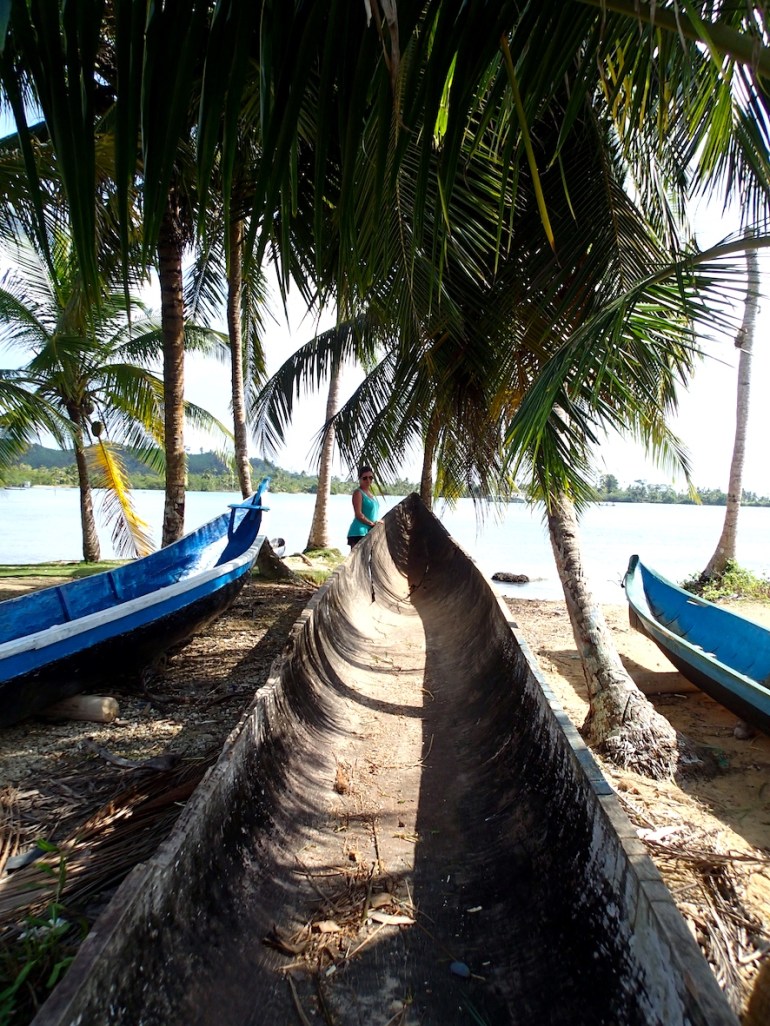
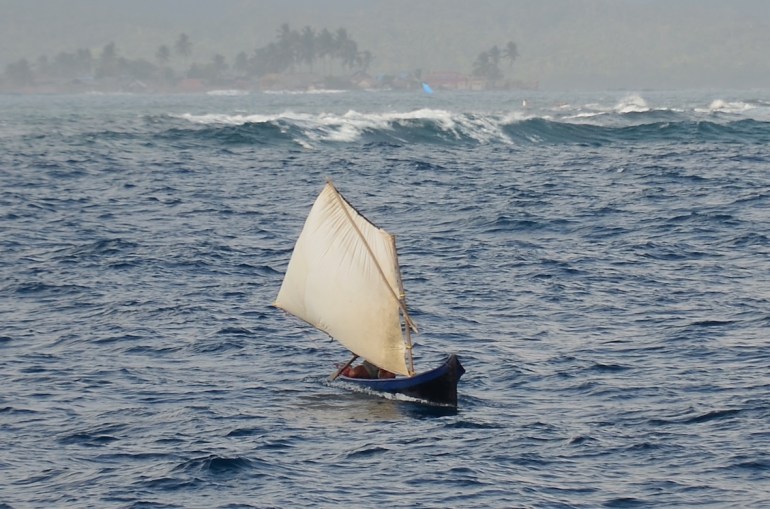
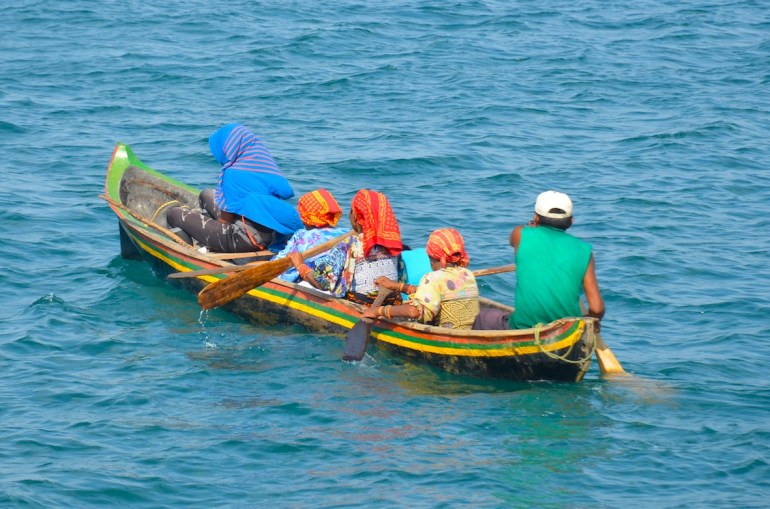
Apart from a few recently installed solar powered lights, and of course a few mobile phones, there is little sign of the modern world. The dugout or ‘ulu’ is the primary personal vessel for fishing and commuting from mainland to islands, almost identical to the ones I was paddling in Haiti. Here they are usually propelled with a hand made paddle, often carrying a whole family and sometimes sailed with a short-masted sprit rig.


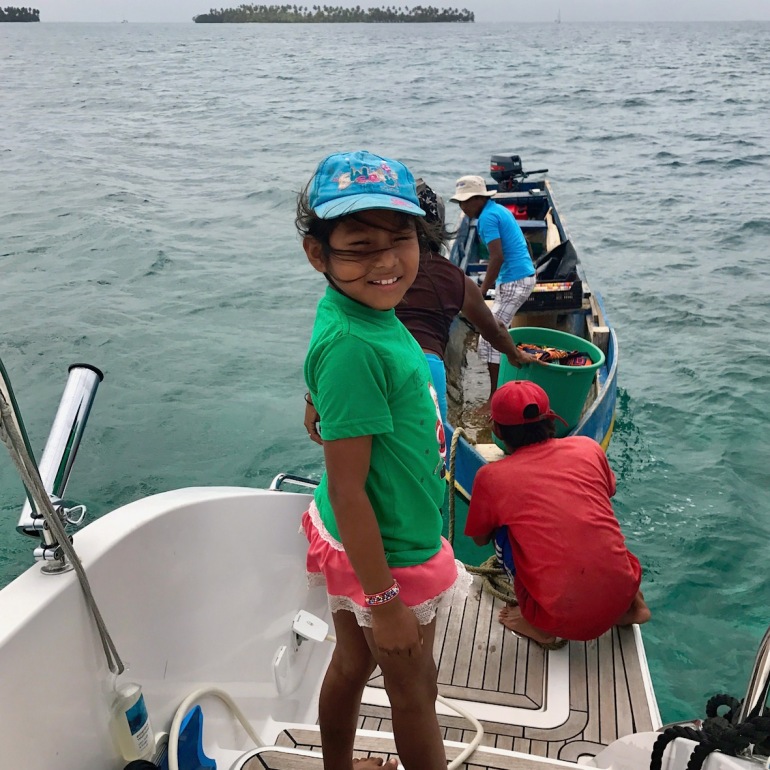
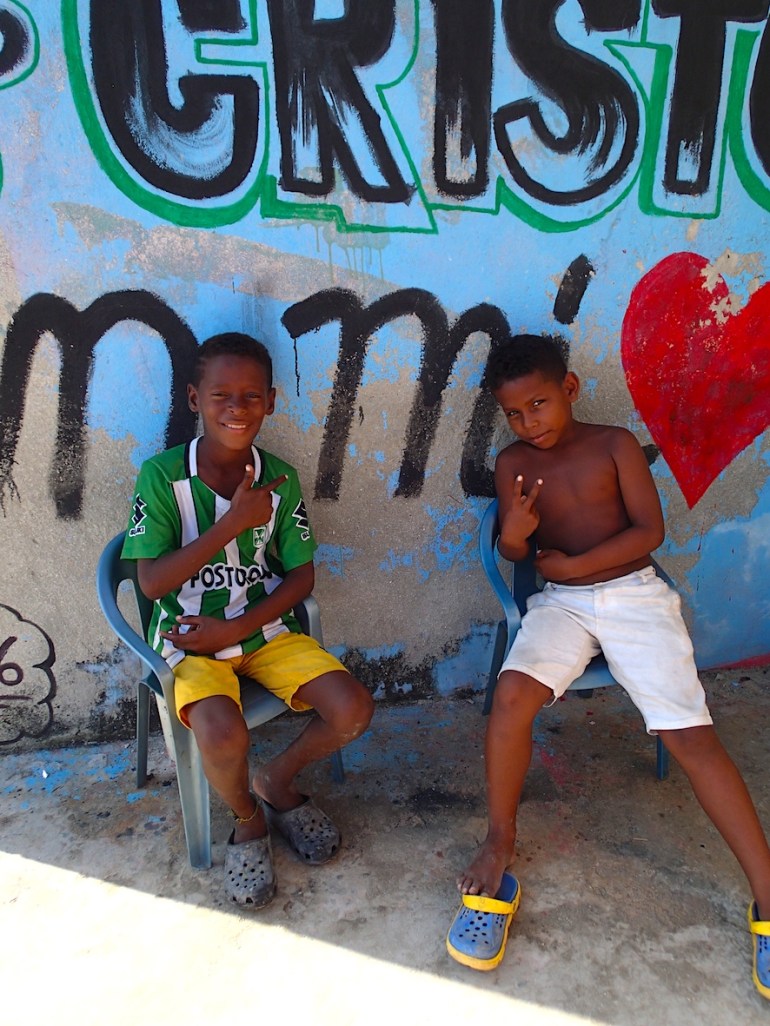
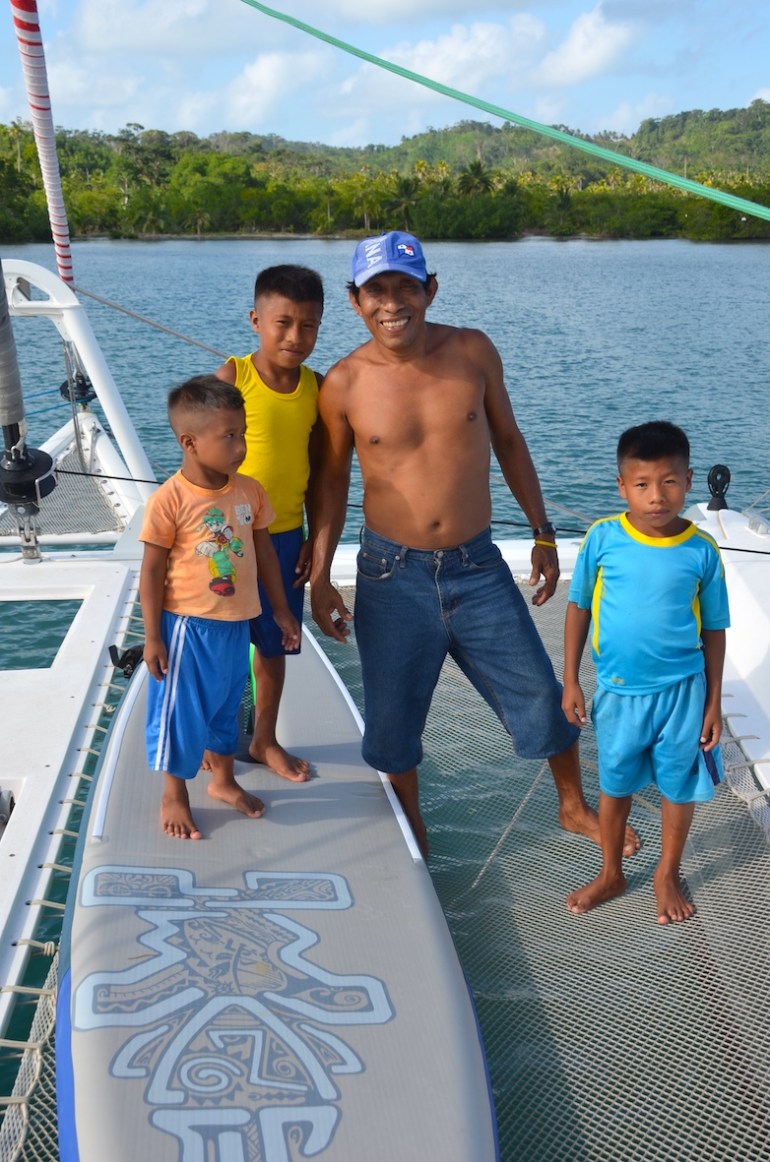
We have seen a few different cultures and lifestyles on this tour of the Caribbean but this is really something else. I’d love to show more of it here but the Guna really don’t like to be photographed, especially the women in their finery, but we found some Guna kids who loved posing for our camera.


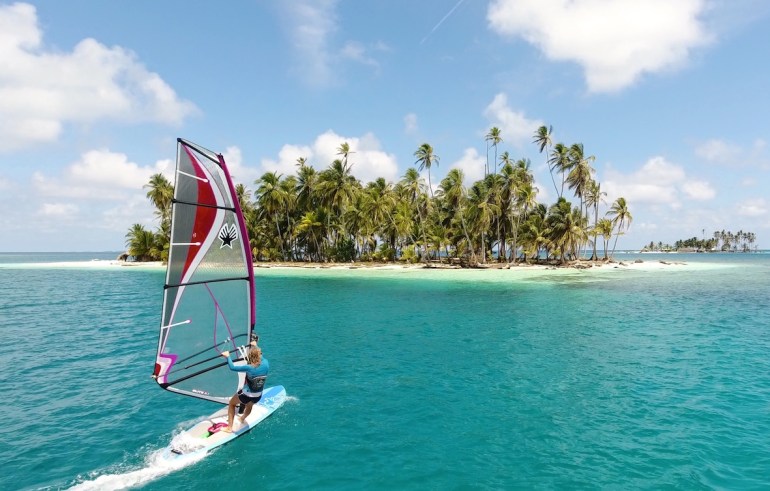
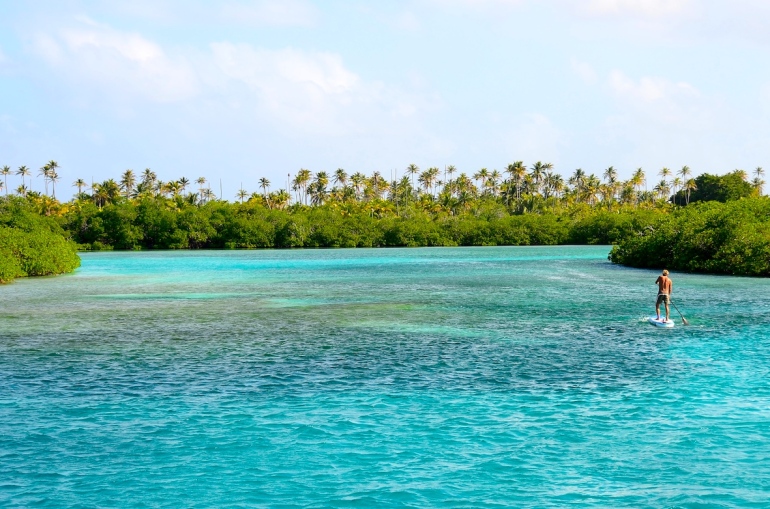
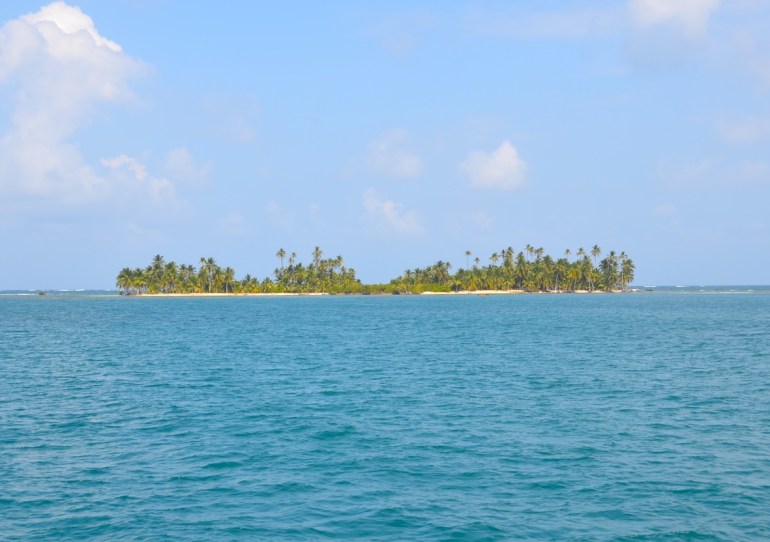
The Guna Yala also contains 378 islands, mostly uninhabited, more commonly known as the San Blas Islands. Our next destination.

06.01.17
Uncharted waters
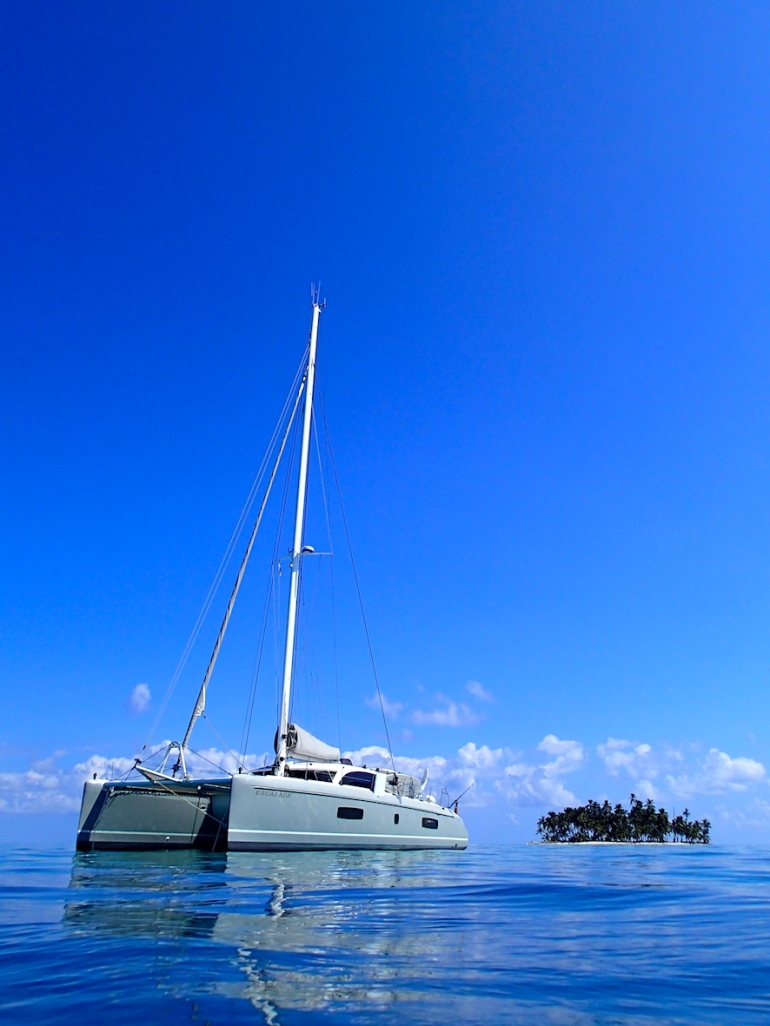
So we have sailed off the edge of one chart system and on to a new one, (on our chart plotter screen) but the new one doesn’t have any detail. The inshore areas are just covered in xxxs, no depths marked, islands reduced to nameless beige blobs, and some of those in the wrong place. We check our back up programs and they are all the same. This part of the eastern San Blas has no detail. Happily we have a brilliant pilot book by Eric Bauhaus which contains his own charts and hundreds of waypoints which we are now completely dependent on. The sea between these islands bristles with reefs, rocks, shoals and shifting sandbanks, do not enter these waters without Eric’s book on your boat. We quite enjoy the old-school pilotage, slaloming between the reefs under sail with Dawn standing on the roof and good light overhead. We haven’t seen another yacht for a week.

07.01.17
Crocodiles
I was sitting at anchor one evening off a Guna village, perusing Eric’s excellent book when I saw this under the heading ‘Natural Dangers’.
And I quote: “Crocodiles and caimans are abundant throughout Panama and particularly in Gatun Lake. Crocodiles in San Blas frequent saltwater marshes and sometimes open water between the islands.”
OK so there could be crocs swimming in the sea where we are anchoring? Eric continues:
“Although they can reach 5 meters (15 feet) most are quite small, in the 1-2 meter (3-6 foot) range.”
Right.
Now we’re not phased by having the odd shark hanging around the boat, (see blog post ‘Bahamian Rhapsody’ last year) and I can still knock out a pretty decent front-crawl sprint pace, particularly with fins, but now I’m wondering, how fast does a 15ft ocean-going crocodile swim? Or even a “quite small” 6ft one!


Dawn demonstrating Guna sugarcane press


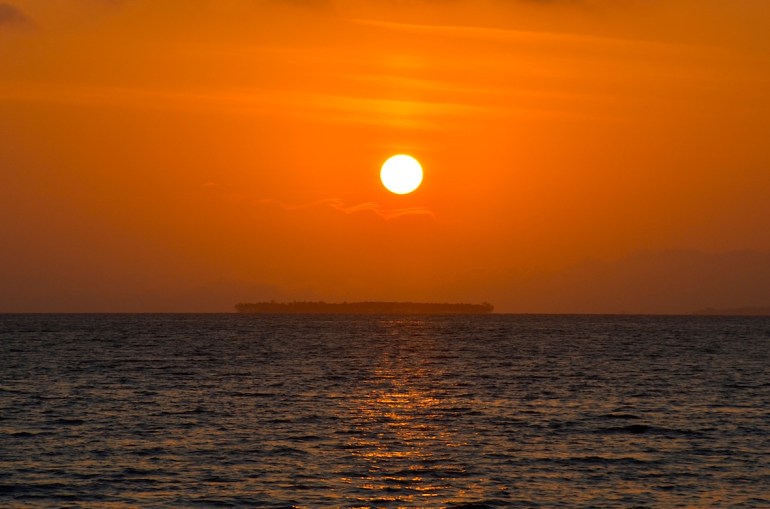
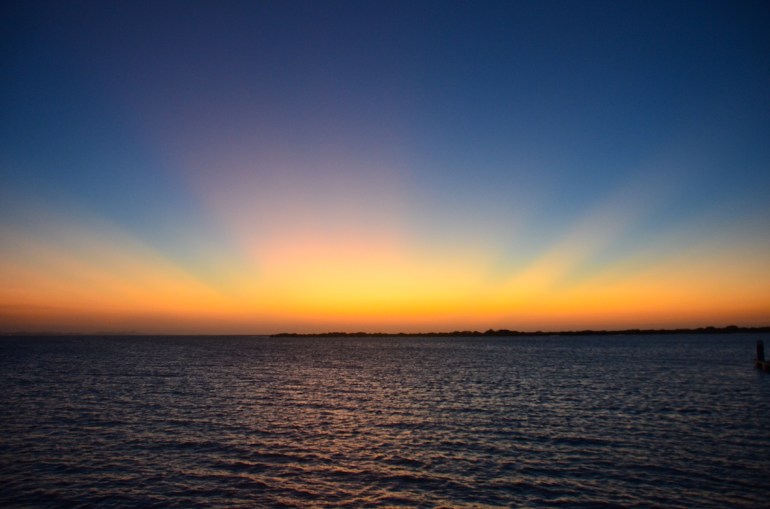
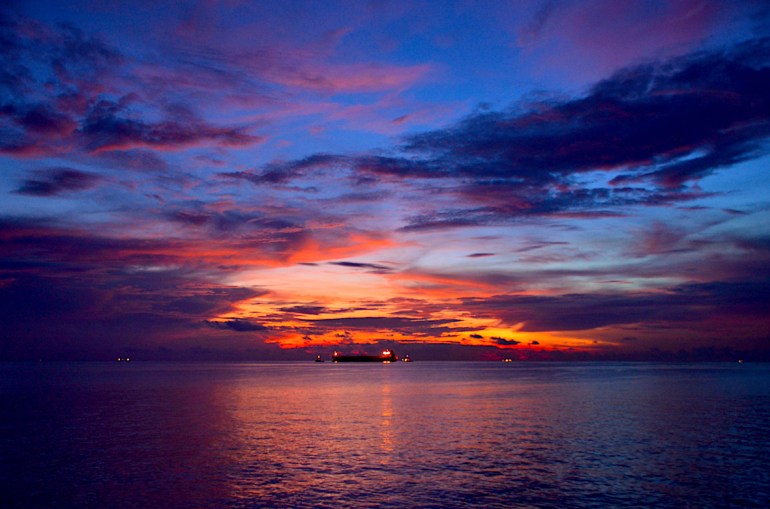
The sun sets on 2016..

The extraordinary customs process was still rumbling on but the port capitan gave us permission to sail the boat 50 miles or so round to Cartagena, so we left the brown waves of Puerto Velero and motored out in a calm, back in to the blue.

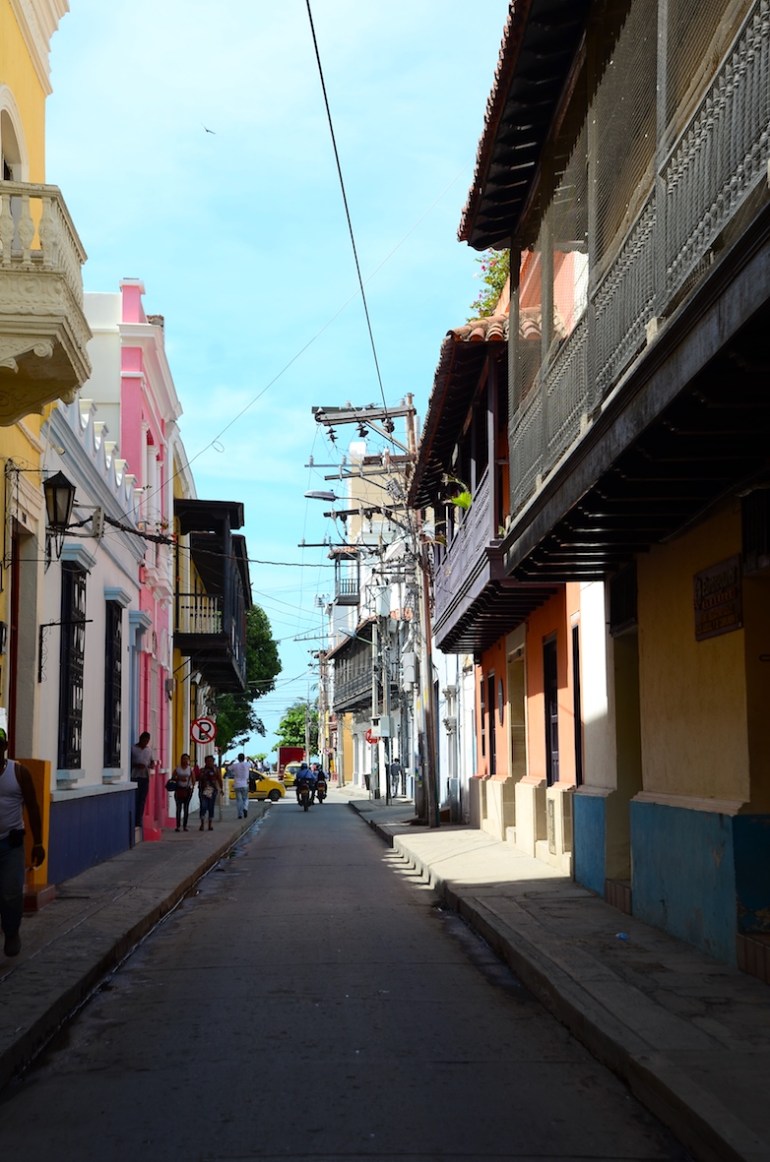
Cartagena makes quite a spectacular landfall. Arriving by sea, you first see the skyscraper skyline of Boca Grande, the ‘Miami Beach’ of Colombia, then as you close the coast, the old walled city appears in the foreground. About 5 miles out you first hear the music!

The approach winds around the high-rise beach hotels, across the busy shipping lanes, past the Colombian Navy base lined with battleships through the anchorage for sailing boats, and finally to the inner harbour area lined with ancient battlements.

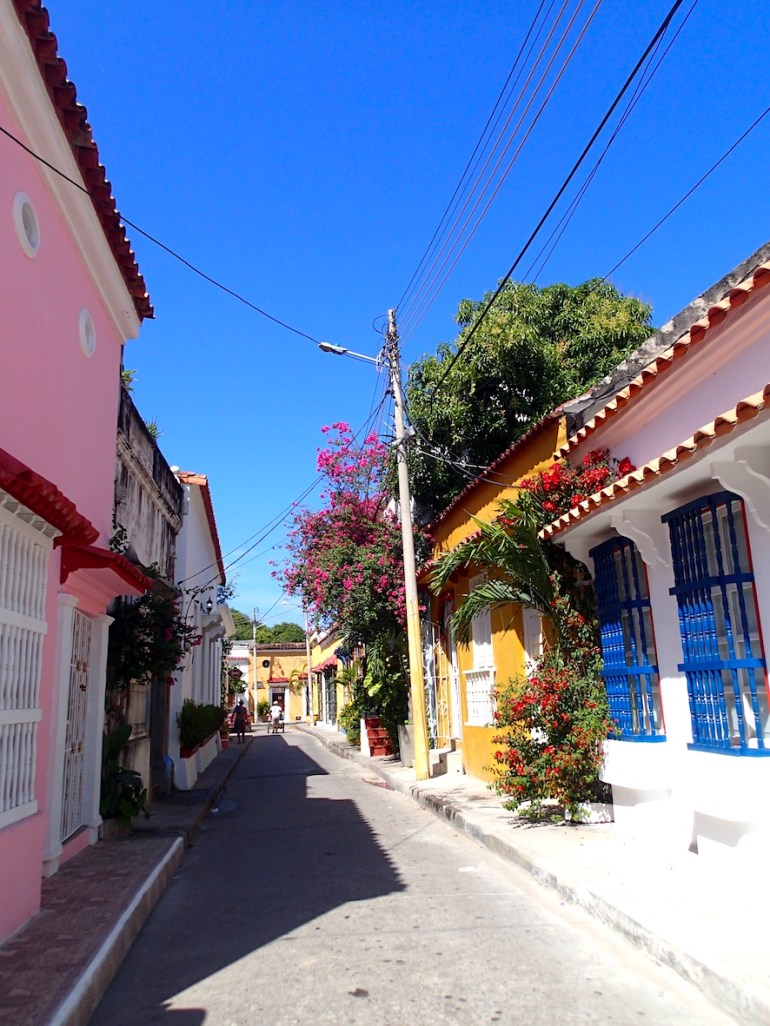
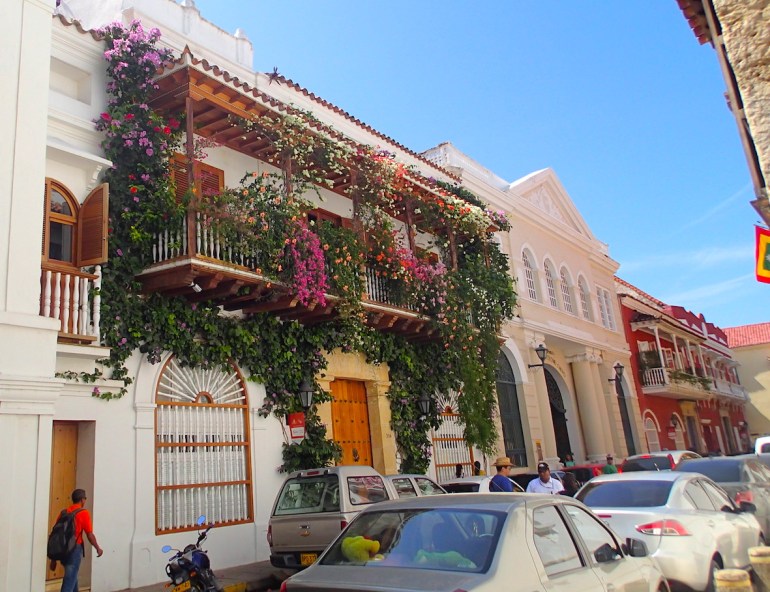
Here it feels a bit like an old Mediterranean port, stately old palms, tree lined parks, the domes and spires of churches in the old town. But you’re still in South America, the noisy smelly water taxis buzz across the harbour, and of course every motor boat in town is fitted with a prodigious sound system. Then look the other way and the view is more like Hong Kong harbour, behind the sailing boats are the soaring new glass towers.
We spent Christmas tied up in the very swanky Club de Pesca, snoozing through the heat of the days and exploring the old city by night.


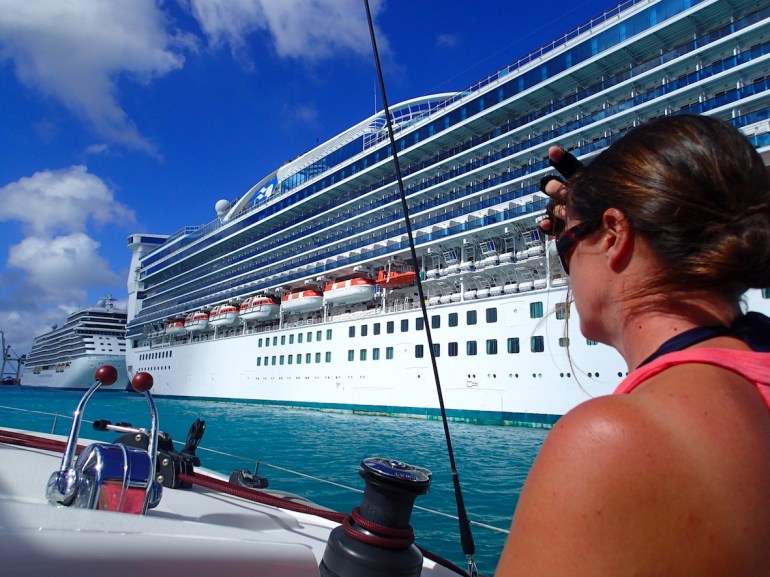
Cartagena can sometimes feel a bit over-run with tourists. Cruise ships call here, then the street hawkers step up a gear, selling anything from boxes of fake Cuban cigars to fruit, cigarettes and chewing gum, or little shots of ‘tinto’ (sweet coffee) but mainly panama hats.
I estimate there are 500 blokes trying to sell me a panama hat in this town on any given day. (What will it be like when we get to Panama?) They are drawn to my uncovered hair and will cross streets to explain to me how badly I need one from the hundred or so stacked on their head. One guy stopped me on my morning run at 7am, I was jogging along the old battlements like a mobile puddle of perspiration but he thought that might be just the time for me to do a bit of hat shopping. ‘No gracias’. Another guy fell in to step beside us as we were walking purposely through a plaza, he pointed out my lack of a panama hat and how fortunate I was to have run in to him. (He happened to be wearing a stack of 50 hats). ‘No gracias’ . But he had already sized my head by eye, selected one from his stock and placed it on my moving head, I’m still walking, ‘No gracias’. He explains how powerful the sun is and how handsome I look in the hat, ‘No Gracias’. Now he somehow produces a large mirror from his pocket and, still walking backwards in front of me, shows me how great I look in his hat. A superb mobile retail pitch, I take my hat off to him.
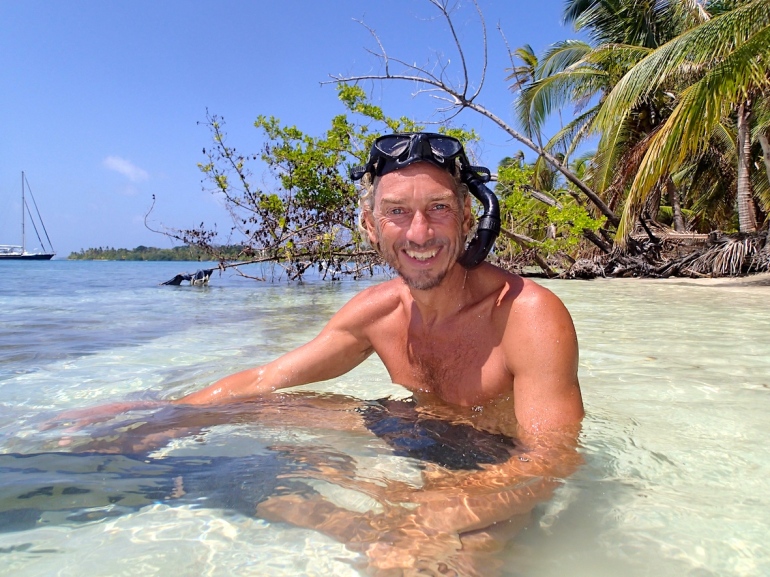
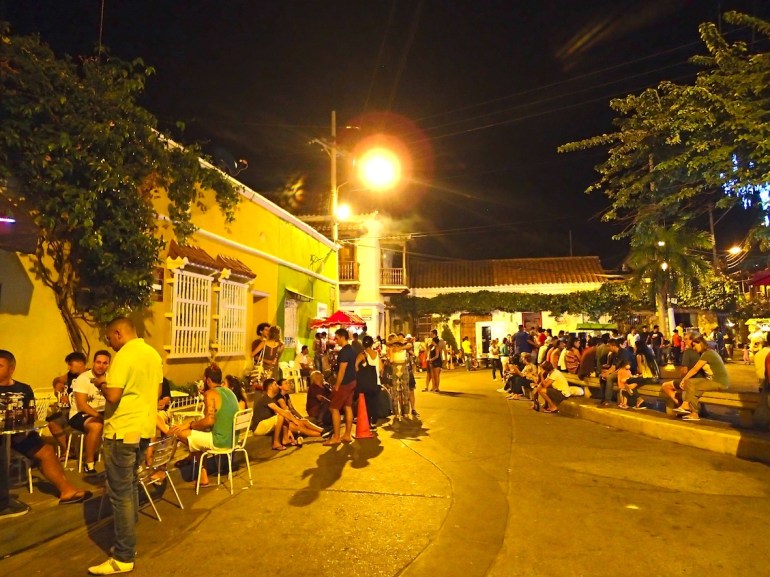
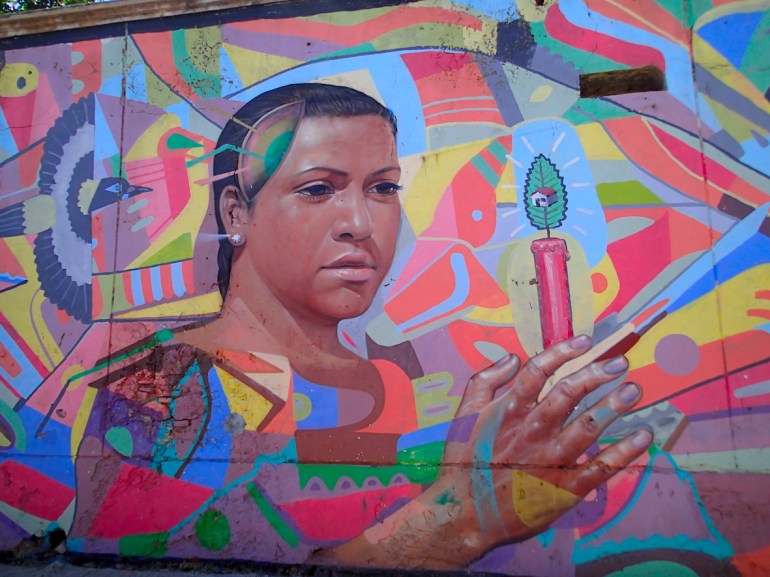
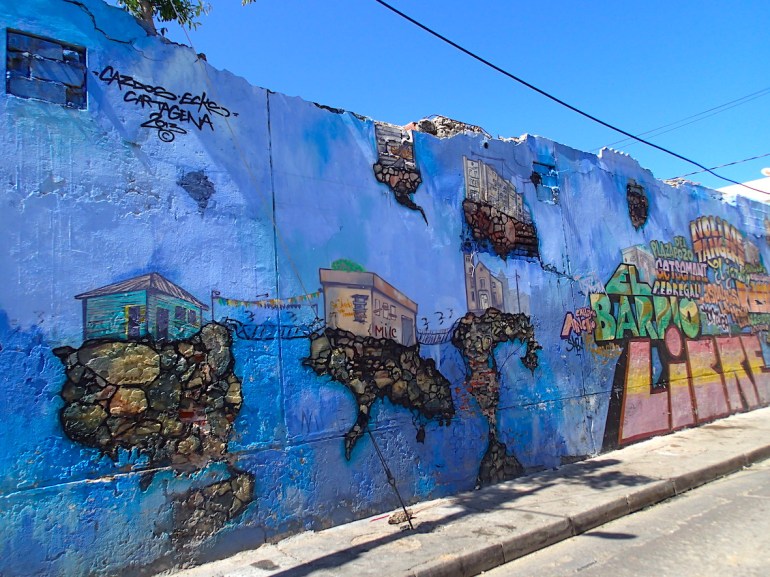
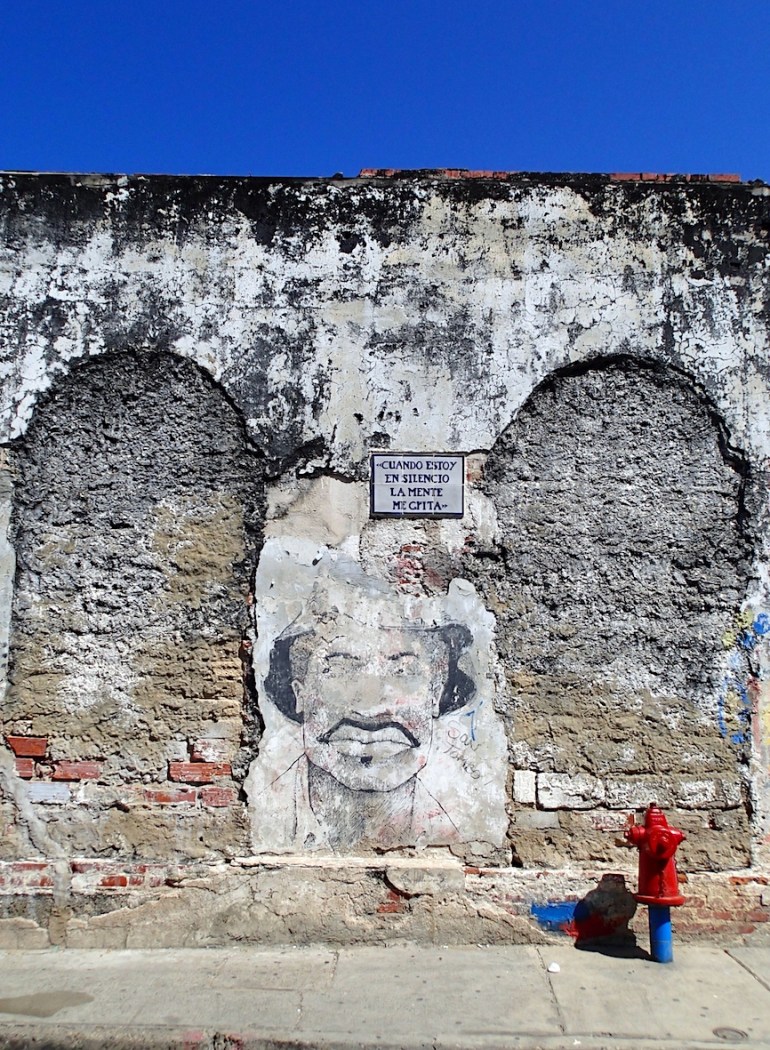
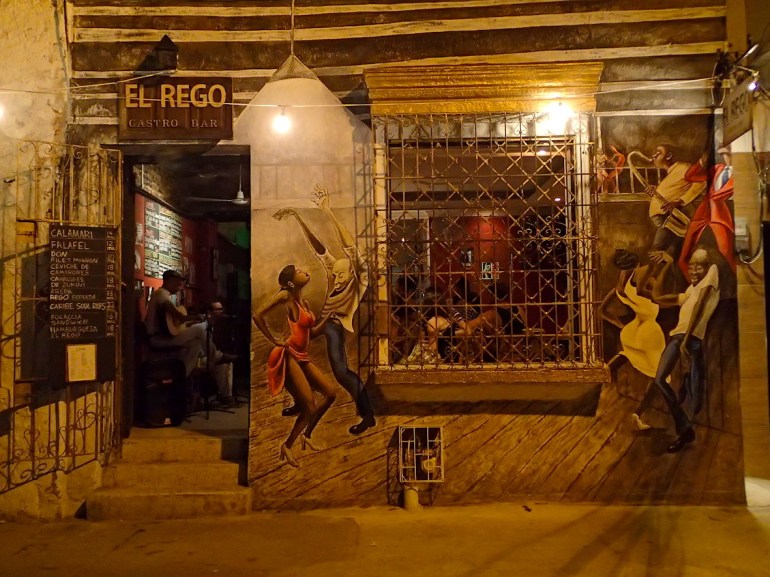
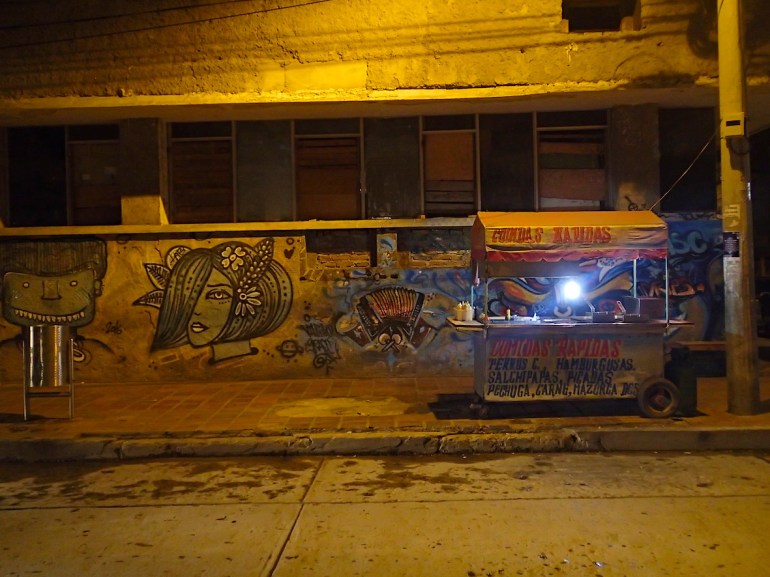
But there is still lots of real life going on. I’m fascinated by people’s faces here. The indigenous indian tribes, blended over time with Spanish and African arrivals, a new world of faces. This is a great place to watch the world go by. At night we wander the narrow backstreets of Getsemani where it’s always happy hour and music pours out of every building.

In 1741 the British sent an enormous expeditionary force to take Cartagena from the Spanish. 186 ships and 30,000 men! After a long siege and huge losses on both sides, the Brits were seen off by the much smaller Spanish defending forces commanded by the defiant Don Blas de Lezo, or what was left of him. Previous battles had relieved him of his left leg, right eye and right arm. Minor flesh wounds for Don, who is now remembered as a hero of the city. If he had lost that battle, this whole northern end of South America would be English-speaking today, imagine that.
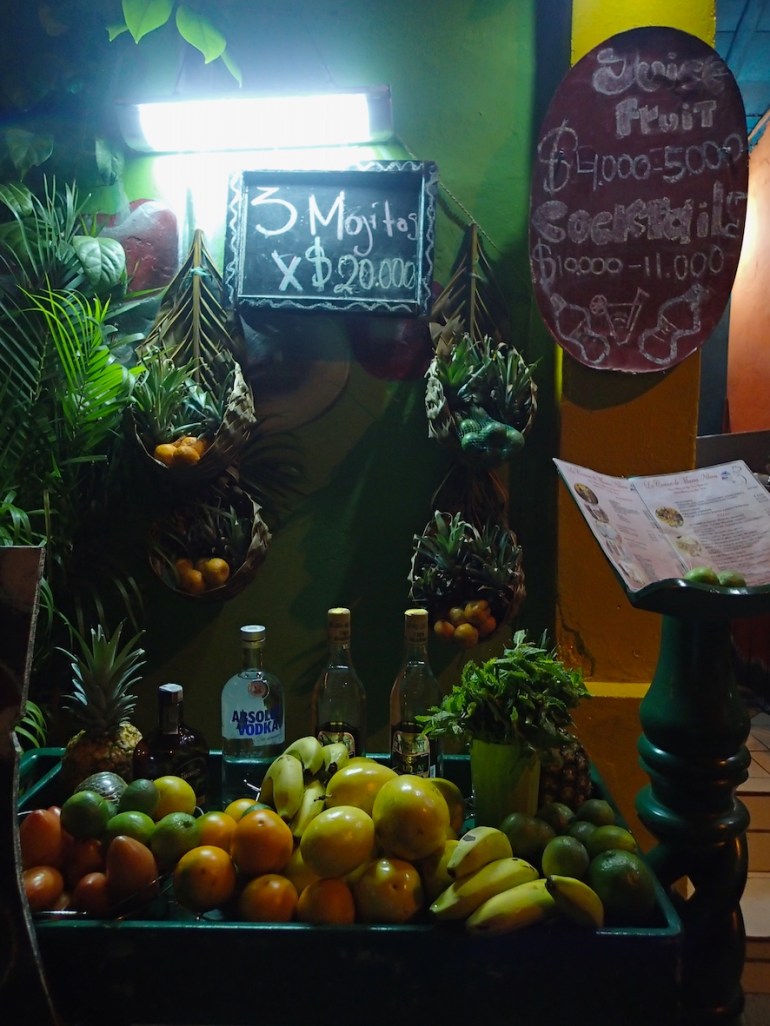
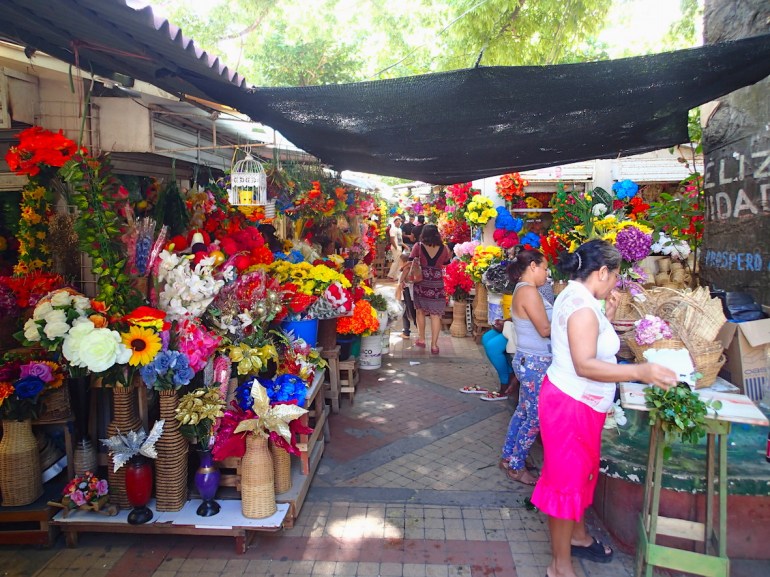
We took a provisioning trip to El Mercado Bazurto which is a huge bazaar selling everything. An overwhelming world of commerce on the poverty line, everyone working very hard in the heat of the day for a few pesos. We loaded up with all the fruit and veg we could carry and retreated.

We are provisioning for the next leg now, a few weeks in the more remote San Blas islands where there will be no supermarkets. It’s amazing how much stuff we can carry on our 2 folding bikes. An fully loaded supermarket trolley is somehow swallowed by 2 front bags, one rear bag and a backpack. Or if you prefer, 72 cans of beer, 12 bottles of wine and a watermelon. Like I said, a few weeks. Anyway, it is so much easier to ride the groceries a mile back to the boat, with all the weight on the bike, than to walk it. Actually a mile on a Brompton bike is usually a pleasure, with some air moving around you. A mile on foot in these temperatures is a long hot walk, particularly with 72 beers on your back.

We will probably be offline for a bit once we leave here, so signing off for now and a Happy New Year.
xx
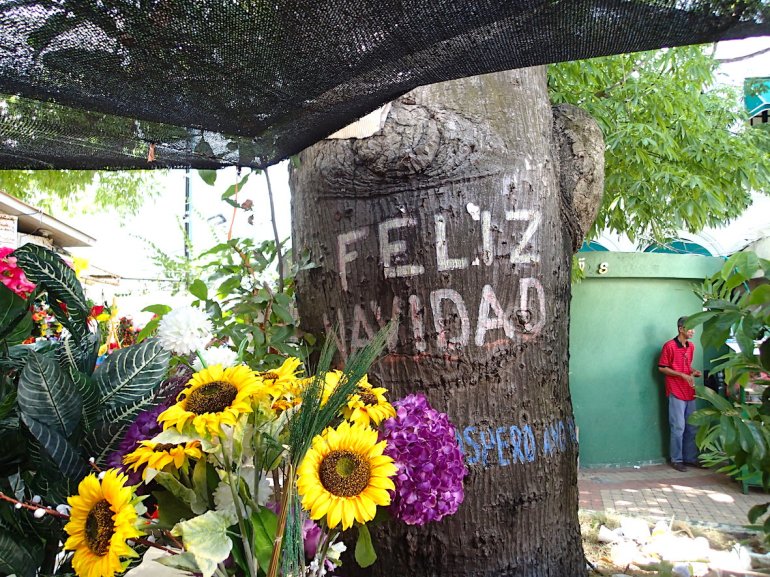
Merry Christmas xx


Silt flowing out from the Rio Magdalena


Bamboo Saxophone


Merry Christmas!


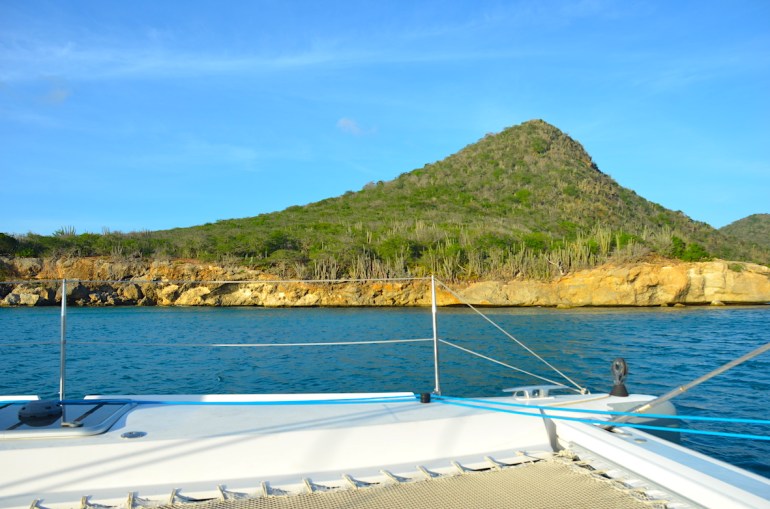
Tranquil Aruba anchorage


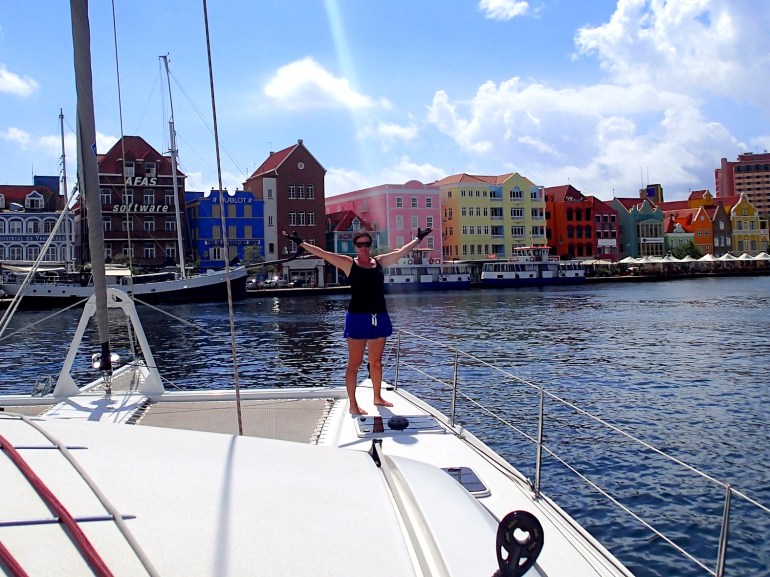
Leaving Willemstad. Will we fit under the bridge?


Mike Waltze circa 1983


JP

Camille Juban, Antoine Martin & Kauli Seadi

JP

Dawn’s office


4th November

Brice (actually this is Hookipa)


Jemima, Sam and Dawn

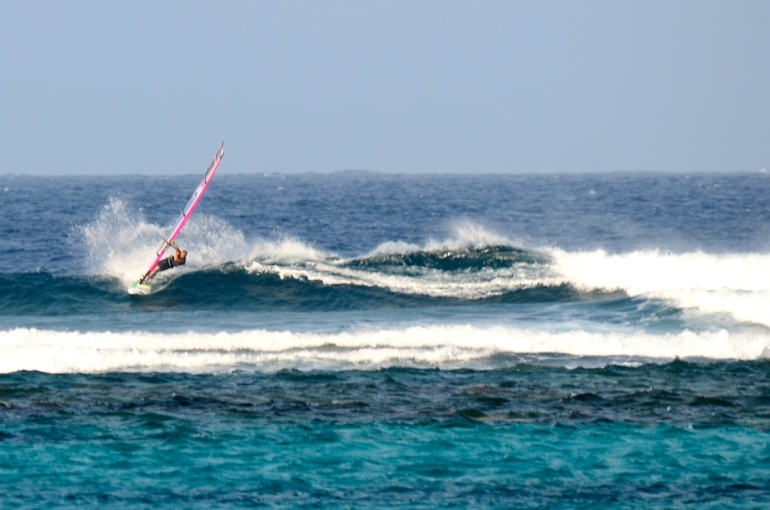
Sam’s sunrise wave

JP takes a breath


Sam

Russ

KMac

Smile for the camera..

Same wave, as seen from the boat!


The Beach House

Mens Pro Contest winner Kevin Pritchard with AWT Founder Sam Bittner

Halloween!

Jemima on Haleakala at 10,000ft

Sunset above the clouds

K Mac, Genevieve, Baby Luc, Camille, Jemima, Julien, JP, Brice, Antoine