Menu Close

escapade sailing

life on the ocean

Storm Season

OLYMPUS DIGITAL CAMERA

Friday 13th May: Across the border..

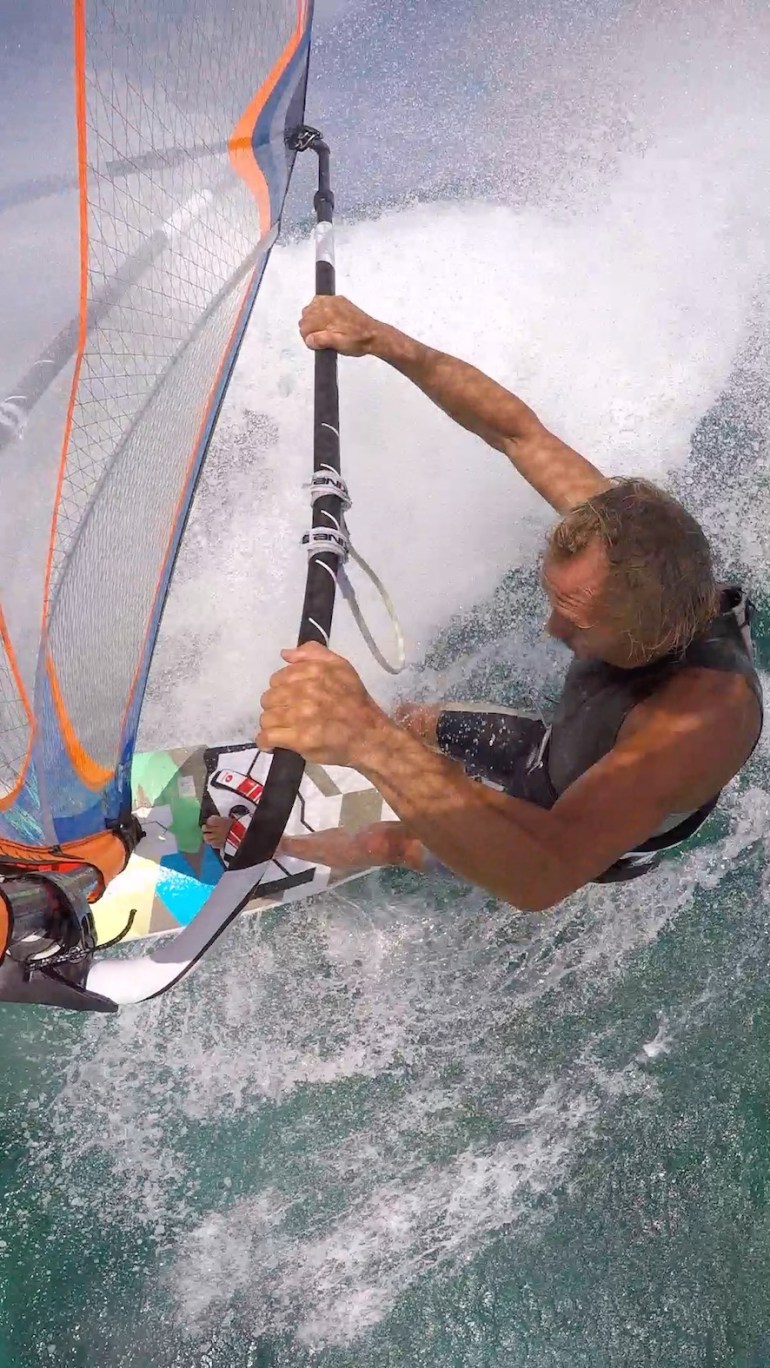
The sail from Ile a Vache to the Dominican Republic was rough and tough.  25kts on the nose and a short sharp sea.  A punishing 36 hrs for boat and crew, and a great relief to get the hook down in Bahia de Aguilas, a spectacular deserted bay just over the Haitian border.  Sleeping, swimming, windsurfing, running, eating and resting until equilibrium restored.


DSC_2625

16th May. A brush with the Authorities
Then we rounded Cabo Falso very early one morning and anchored off Isla Beata.  There’s a remote fisherman’s camp on the island, plus a coastguard station.  The table is laid and just as we are about to eat our breakfast omelette, a fishing boat arrives and 4 guys jump aboard.  One is in the uniform of the Armada (Navy), the others are in jeans and t shirts, but this seems to be an official visit.  We explain in sailor’s Spanish that we have arrived from Haiti and are on our way to Salinas, the nearest official Port of Entry in DR.  They write down our passport details and ship’s registration with a pencil in a notebook, then ask to see below.  They have a quick tour, (checking for Haitians perhaps) open a few lockers, look under a mattress and then in the fridge.  Finally they notice a rum bottle and suggest that we all have a drink.
Well it’s a bit early for me, but Si Señor! I invite them all to take a seat while I produce a nice bottle of Appleton rum and four glasses.  They pour out four large measures which are quickly despatched.  It’s about 9am.  The glasses are refilled and then the two men left on the fishing boat demand a drink.  Two more tumblers of fine Jamaican rum are passed back to them.  They all approve very highly of the rum and declare it’s much better than the local ‘Brugal’.  We’re having quite a party now, the rum is flowing and I’m posing for photos with the guys on their phones.  Next the uniformed armada sailor discreetly asks me to step below with him.  Now he’s standing at the foot of my bed in his jackboots and camouflage outfit, quietly requesting a small ‘regalo’ for himself.  I find a few DR pesos and hand them over, he pockets them and suggests they should take the rum too.  Hilarious! Back in the cockpit it smells like a distillery and spirits are high.  Now they each want a picture of themselves posing at the wheel.  Finally we all shake hands and they clamber back on to the fishing boat and on their merry way, swigging from what’s left in the bottle as they pass it around.
Right where were we?  Oh yes, breakfast..
The fishermen returned later that morning with a ‘regalo’ for us, a freshly netted snapper.

OLYMPUS DIGITAL CAMERA

17th May: Time to get South
According to our insurers, Hurricane Season in the Caribbean officially starts June 1st and Escapade needs to be safely stored out of the danger zone by then.  It’s the middle of May already!  Just when we were getting our sealegs!
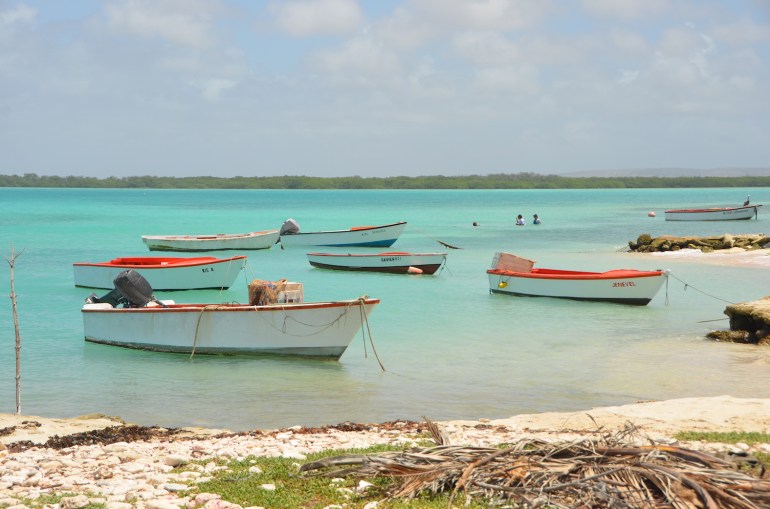
We have decided to haul out in Curacao for the summer while we go home to Guernsey for a few months.  Curacao lies about 350 miles south of DR, but the trades and currents will be pushing us west, so we plan to work our way Eastwards along the South coast of DR to get a good angle.  As we venture out past Cabo Beata one morning, the angle is not great for our next planned harbour, but the wind is north of east and it looks like we can make it straight to the ABC’s.  We decide to just go for it.  Most of the trip was fine, a bit bumpy but we were cooking, singing, eating and sleeping all the way.  The final approach to Bonaire was tough, wind and currents now right on the nose and we’re a bit fatigued after 48 hrs at sea.  Finally we make it in to our old mooring spot off of Kralendijk and relax for a few days.

DSC_2631

19th May: Bonaire revisited
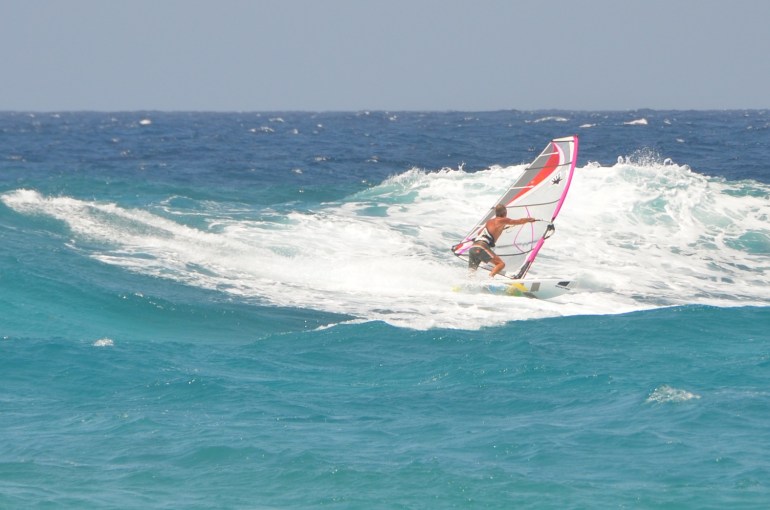
The wind just kept blowing, I discovered a couple of spots to windsurf in waves and we went free diving at some of Bonaire’s beautiful dive sites.
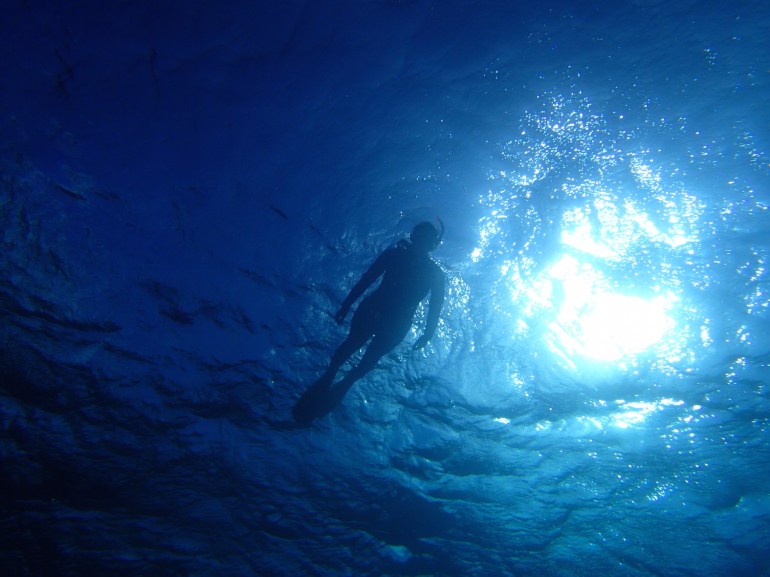
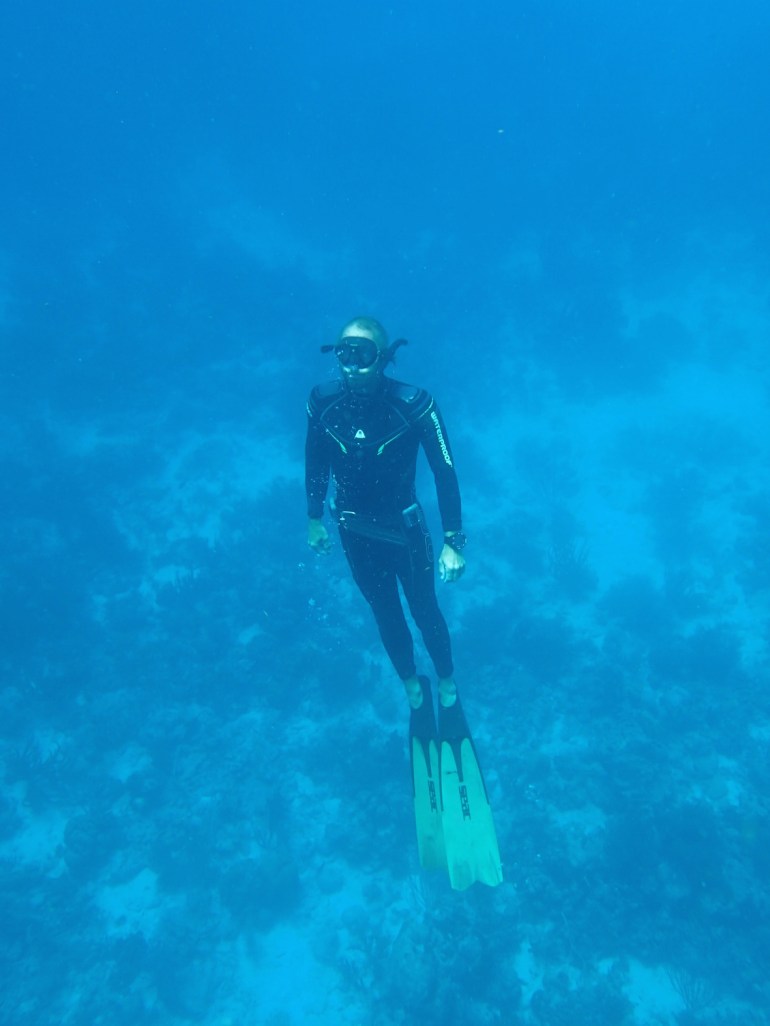
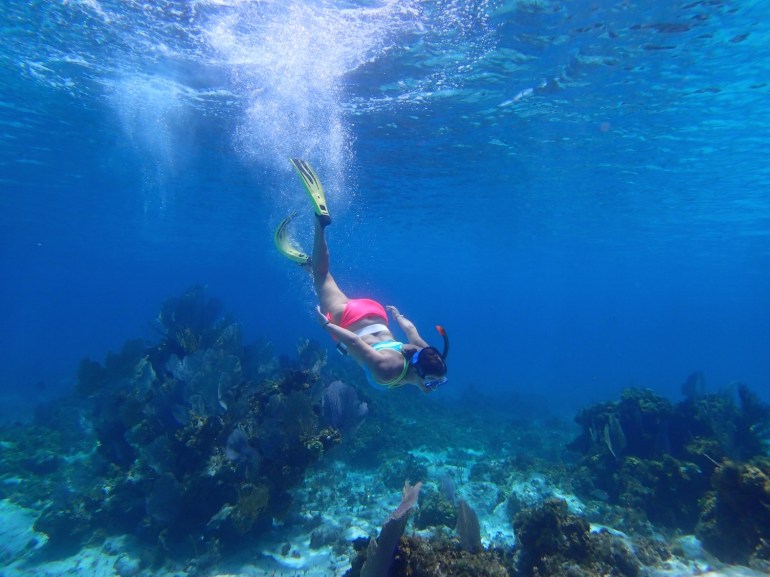
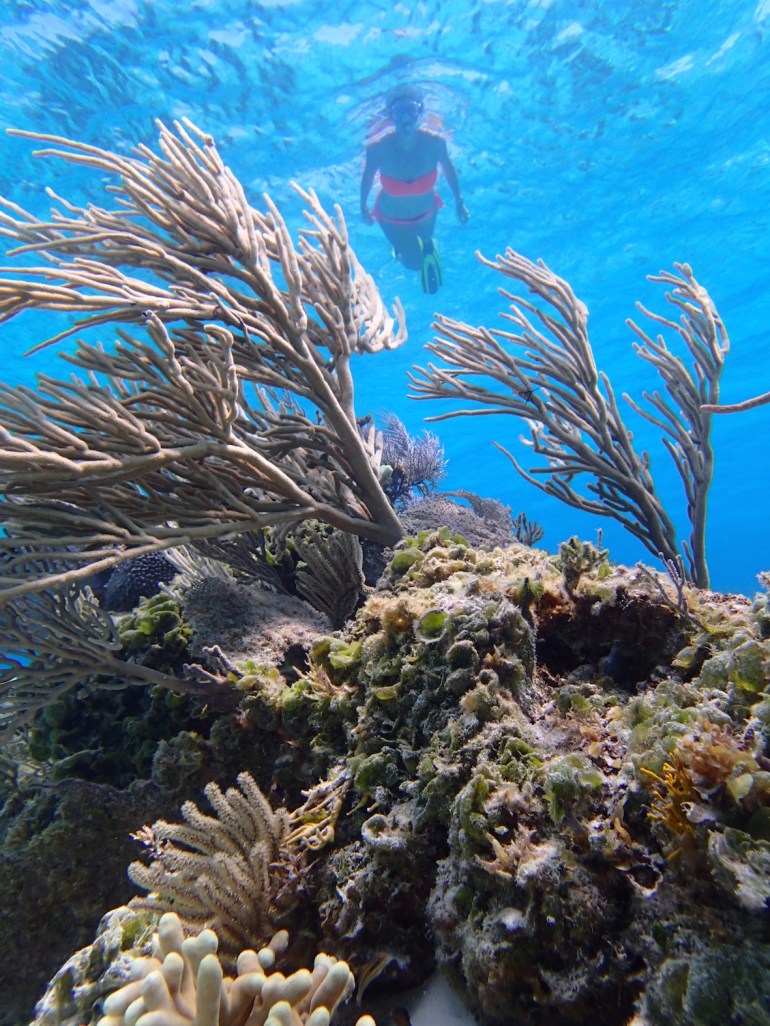
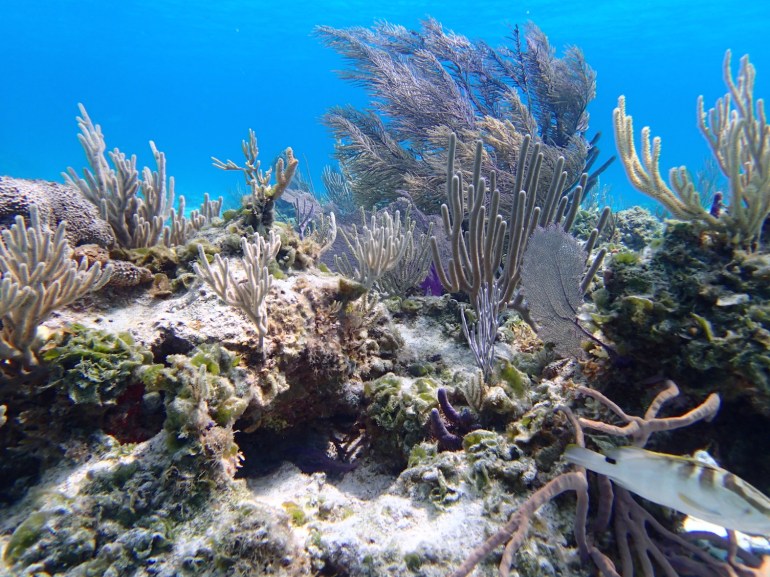
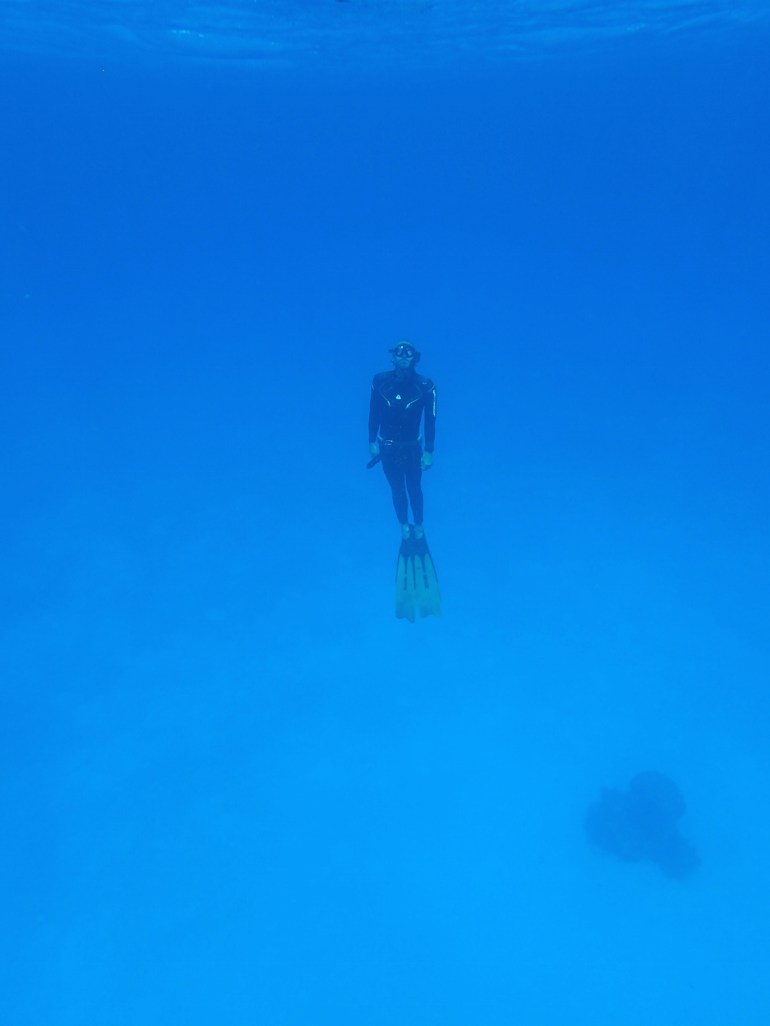
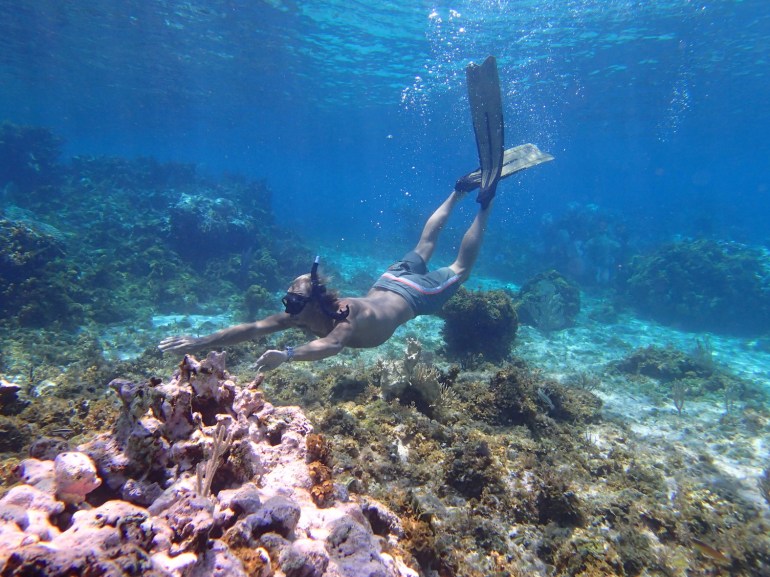
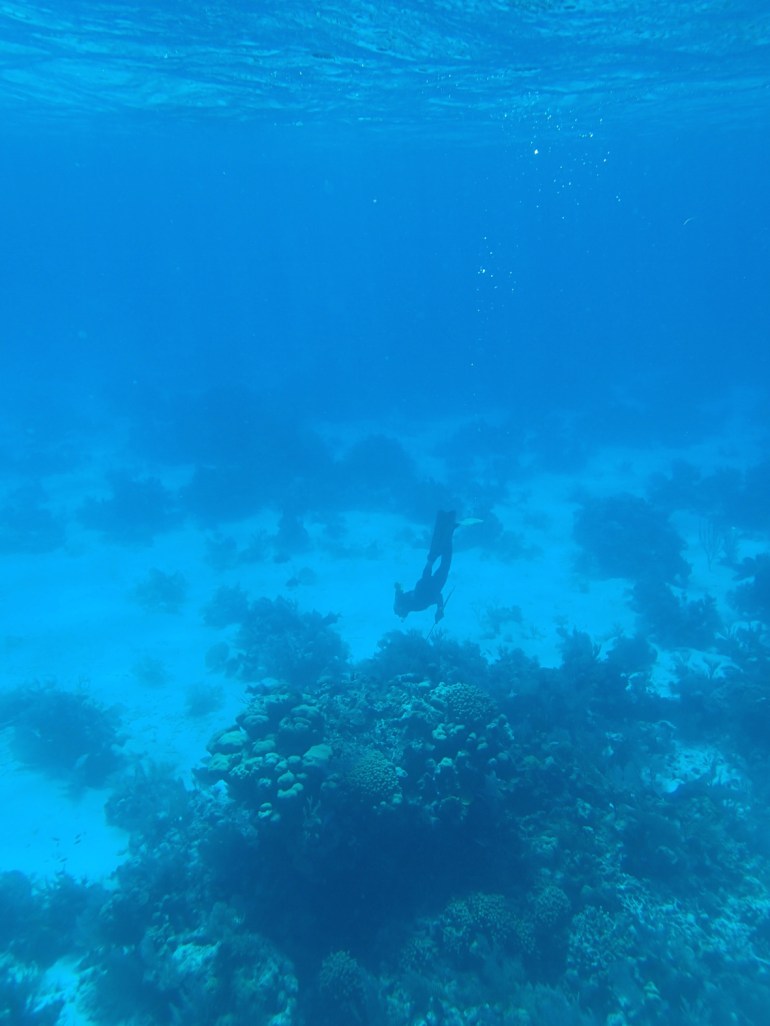
We are still getting comfortable with freediving.  I find some days are easier than others and some days are just inspiring.  For sure the more you do it the better it gets, you just get much more relaxed with the depth if you dive every day.  This week in Bonaire I was loving the water, I bought a dive watch so I could check my depths.  One day I was hanging in neutral buoyancy just off the reef wall at about 16m (55 feet).  Very calm and still, seeing every detail of life in the coral, enjoying the slowed heart rate and watching the world swim by, not using much oxygen and feeling very relaxed.  I’m amazed when it’s like that, so are the passing scuba divers.

OLYMPUS DIGITAL CAMERAOLYMPUS DIGITAL CAMERAOLYMPUS DIGITAL CAMERADSC_2647

27th May: Curacao Boatyard
We are hauled out and spend a week giving Escapade her ‘Spring Clean’.  Engines serviced, outboard serviced, sails off, water-maker pickled, halyards pulled up, all ready for a hot summer in the yard.


OLYMPUS DIGITAL CAMERA

6th June: Bye-bye boat
So there goes another winter! We’re looking forward to catching up with friends and family back in the real world. (Not sure which world is real anymore) This season has been a real voyage of discovery for us. Christmas time in Los Roques, learning to dive and free dive in Bonaire, sailing with whales in the Dominican Republic, exploring the deserted Bahamian Out Islands, discovering uninhabited TCIs, our unforgettable trip to Haiti and covering a good few ocean miles.  We have sailed almost 10,000 miles in Escapade since we left France in October 2014.  By our original schedule we should be halfway across the Pacific by now, but the Caribbean has shown us a far richer and more remote sailing experience this winter than we ever imagined.  Empty waves, empty anchorages, perfectly clear water and healthy reefs teeming with life.  Why rush?

Haiti

OLYMPUS DIGITAL CAMERA

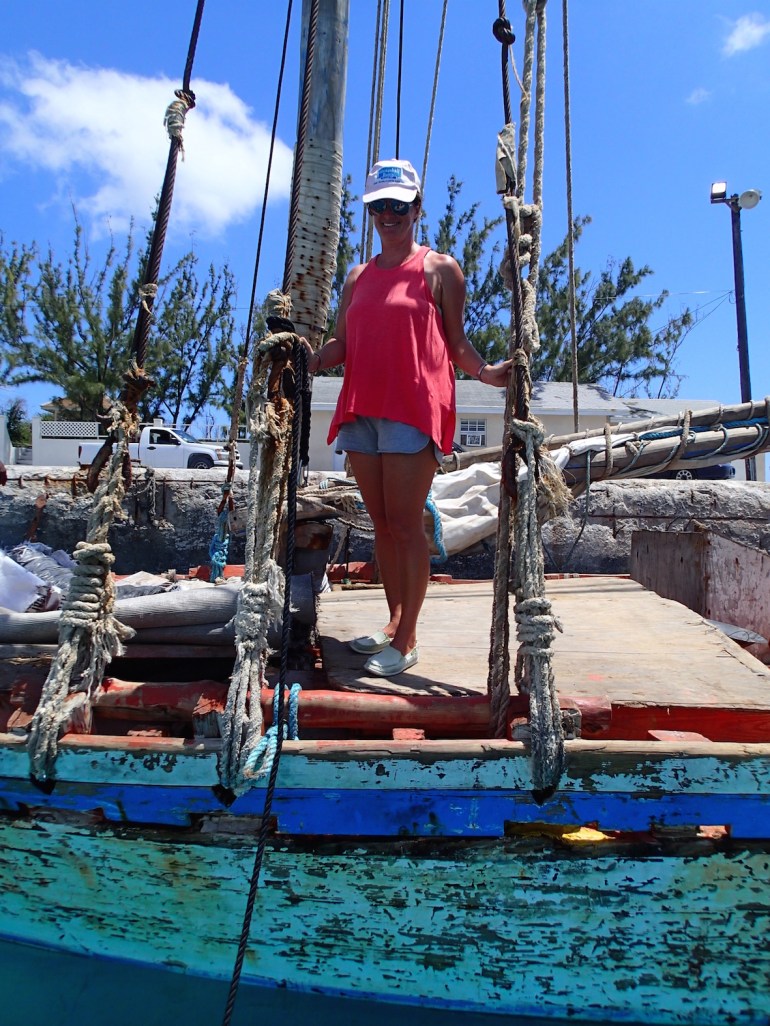
Our last port of call in the Bahamas was the remote southern outpost of Matthew Town on Great Inagua.  In the harbour there, we tied our dinghy to an extraordinary sailing ship.  About 70 feet long, built of rough-hewn hardwood with a gaff rig, the spars basically trees with the branches removed.  The sails were hand stitched from ancient sailcloth and tarps, with nylon fishing twine sewn in as bolt ropes.  The rigging was what my stepfather would call ‘a right old lash-up’ of rusty chains, galvanised wire and ropes of all ages.  Her crew were preparing dinner over charcoal fires on the wood deck.  She has no engine, instruments, electricity or lights.  She is a working freight carrier from Haiti.  We chatted with the crew and to some Inagua locals who were sitting on the dock of the bay.  They told us how she manoeuvres in and out of the harbour with sails and punts, how vast that gaff rigged main sail is, and that in the right conditions, she would out-run Escapade.

That ship tells you a lot about Haiti.

OLYMPUS DIGITAL CAMERAOLYMPUS DIGITAL CAMERA

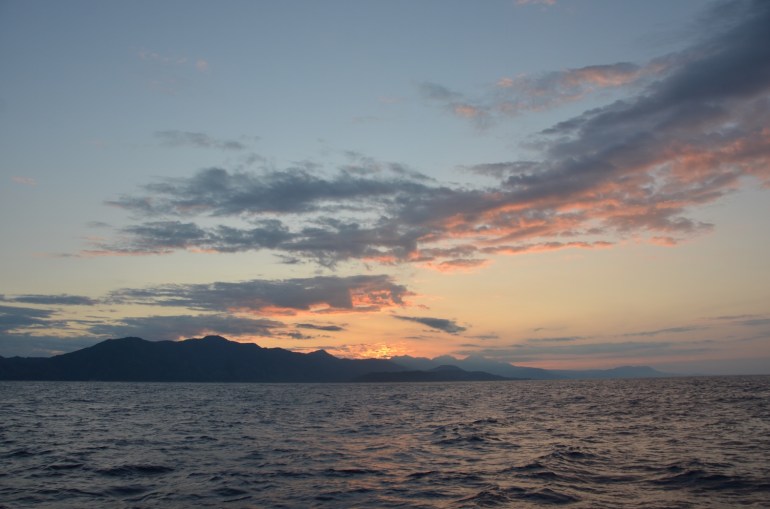
We sailed south through the Windward Passage.  The sun set behind the mountains of Cuba to starboard.

DSC_2526

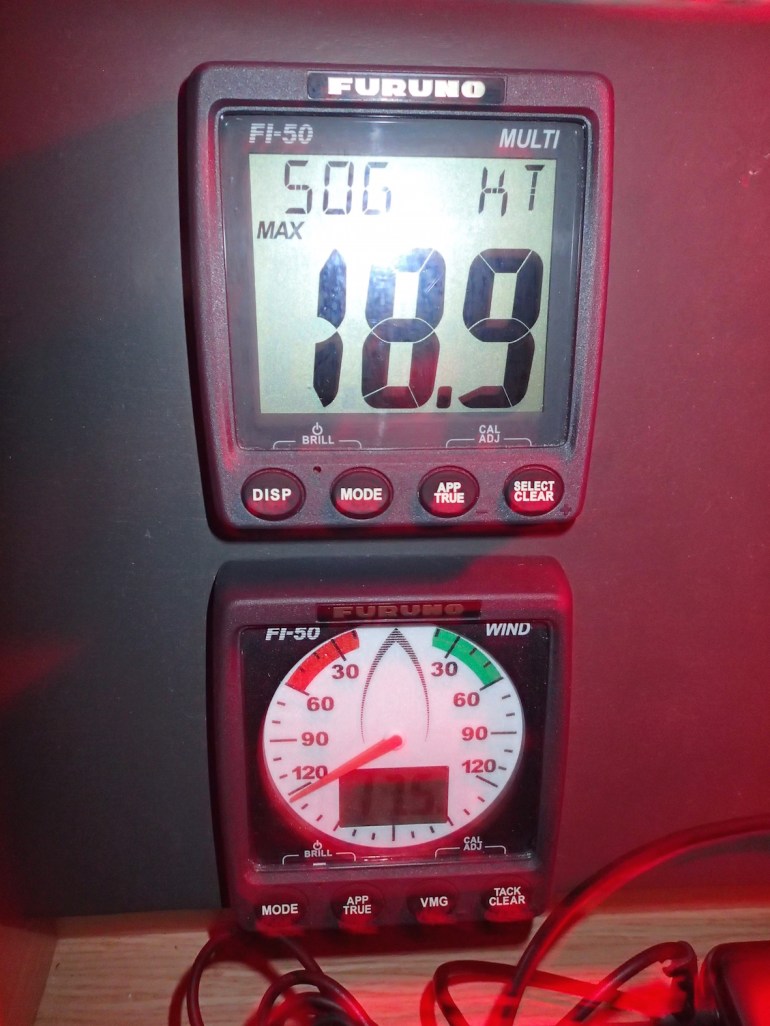
We furled the gennaker and sailed on a broad reach all night in about 20 knots of wind with full main and jib.  We were cruising at about 14 knots on the low swell, catching surfs up to 18 knots.

OLYMPUS DIGITAL CAMERA

We covered a lot of ground that night.  By morning the scent of earth and woodsmoke reached us across the water and the sun rose over the green mountains of Haiti.


DSC_2527DSC_2529

Bienvenue
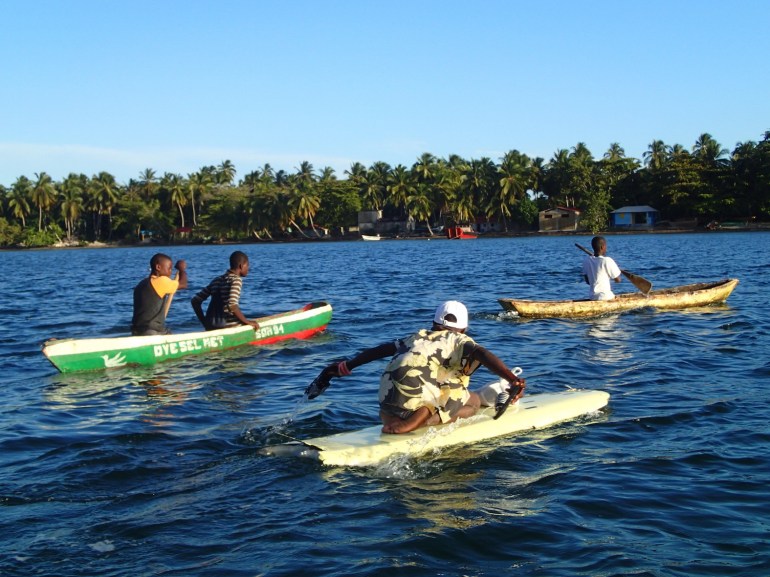
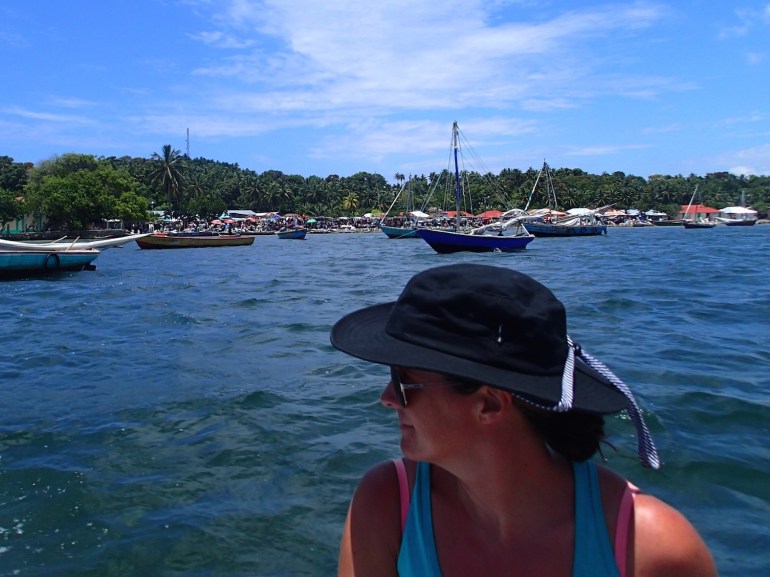
Our destination was Ile à Vache, an island off the south coast of Haiti.  As we rounded the tip of the island we could see in to the Baie de Feret where we planned to anchor.  A small figure in a dugout canoe seemed to be paddling towards us.  Then another, then two guys paddling a rowing boat backwards, then a kid paddling half of a vintage windsurf board with a palm frond as a paddle.  In all, our welcoming committee comprised about 25 boys and men, mostly in dugout canoes.  Each came alongside, introduced himself in French or English and welcomed us to Ile à Vache.

OLYMPUS DIGITAL CAMERA

They accompanied us in to the bay, everyone shouting and laughing, they showed us where to anchor and supervised the whole process which Dawn and I usually manage quietly with a couple of hand signals, but today we were surrounded by a flotilla of earnest advisors.  Once the anchor was down, the haggling began for who had reached us first, second and third and could therefore claim priority in offering us all of their services.  This was quite a noisy process but it was agreed that the paddling competition to greet us had been won by a boy called Erns, “I was first peoples!”.  Now the serious discussions could begin about how much work there was to do on the boat, who would be hired to wash the hulls, polish the stainless etc.  All this was a bit overwhelming for us after two long days and a night at sea, with no more than four hours sleep each.

OLYMPUS DIGITAL CAMERA

The Escapade Job Creation Scheme.
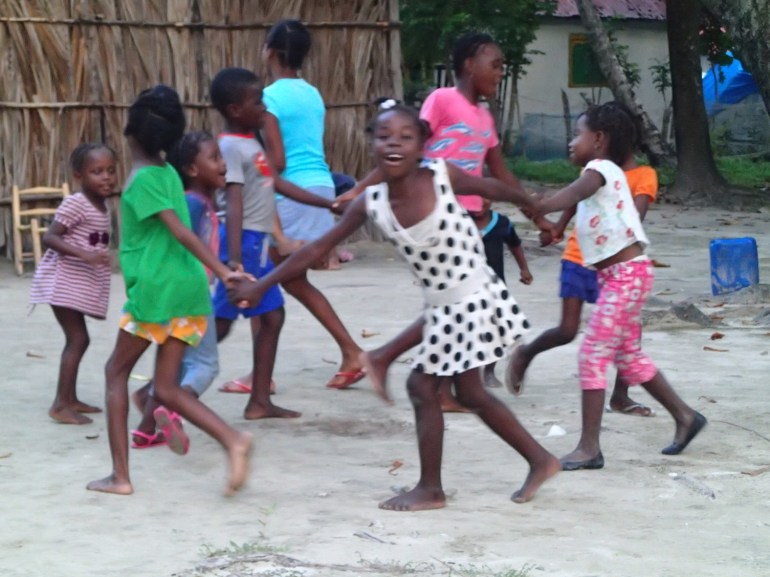
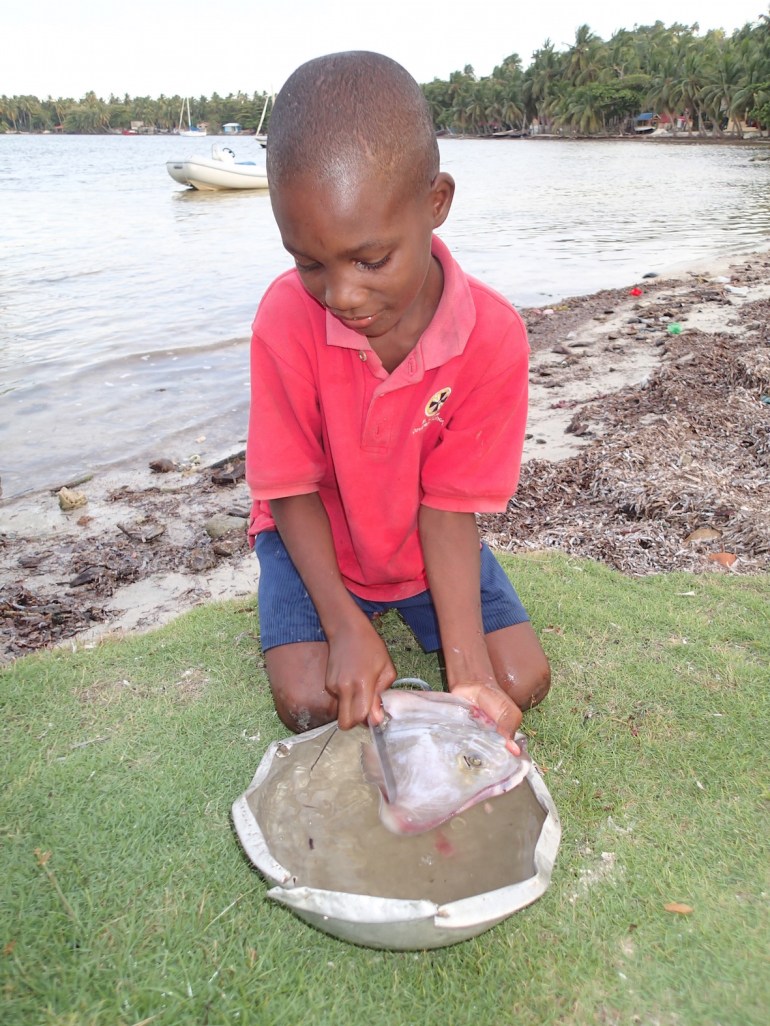
We soon came to understand a few basics here.  We have been welcomed in to the village of Caille Coq.  It’s a kind of paradise, children and animals everywhere, everyone living in very simple houses under the canopy of breadfruit, almond, cashew, mango and coconut trees behind the beach.  There is some garden farming and fishing, but not much employment.  Visiting yachts are seen as an opportunity for the villagers to work and earn some money.  We wanted to do our bit for the local economy.
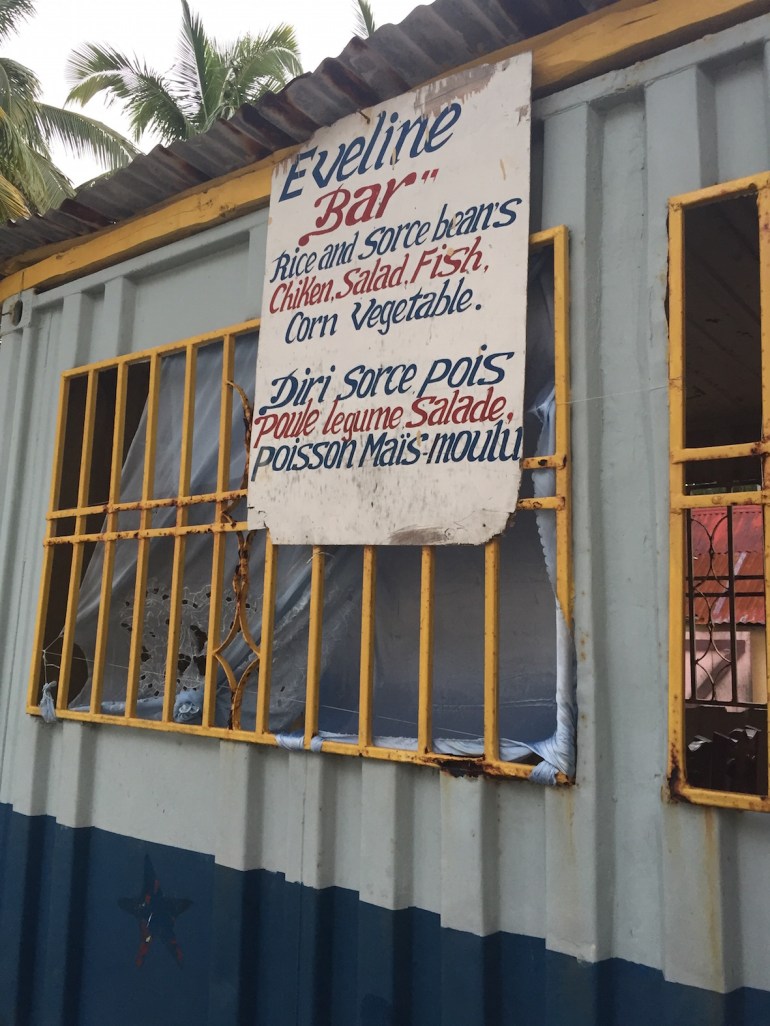
We didn’t really have any work to offer, but we made some.  We quickly appointed boys to take our trash, provide us with regular deliveries of coconuts and beer, guide us to the nearby market, watch our dinghy while we were ashore etc.  Everyone wanted in on the act, so we hired guides to accompany us to the mainland to see immigration, others to watch the boat while we were away, someone offered to take us horse riding.  In addition there were all the kids selling us mangos and anything else they could offer and passing fishermen would sell us a fish or two.  We tried to buy something from everyone.  One of the boys’ great ideas was to convert their homes into a restaurant for the night and have their mums cook us a Haitian dinner.

OLYMPUS DIGITAL CAMERA
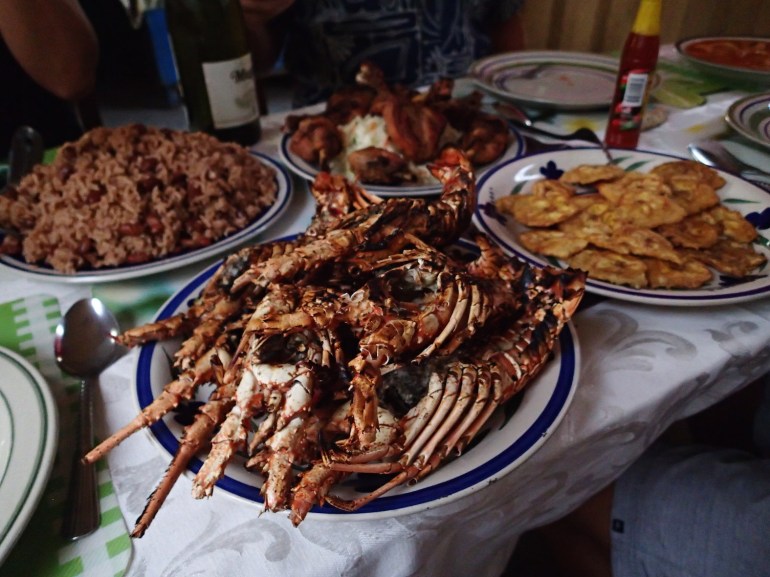
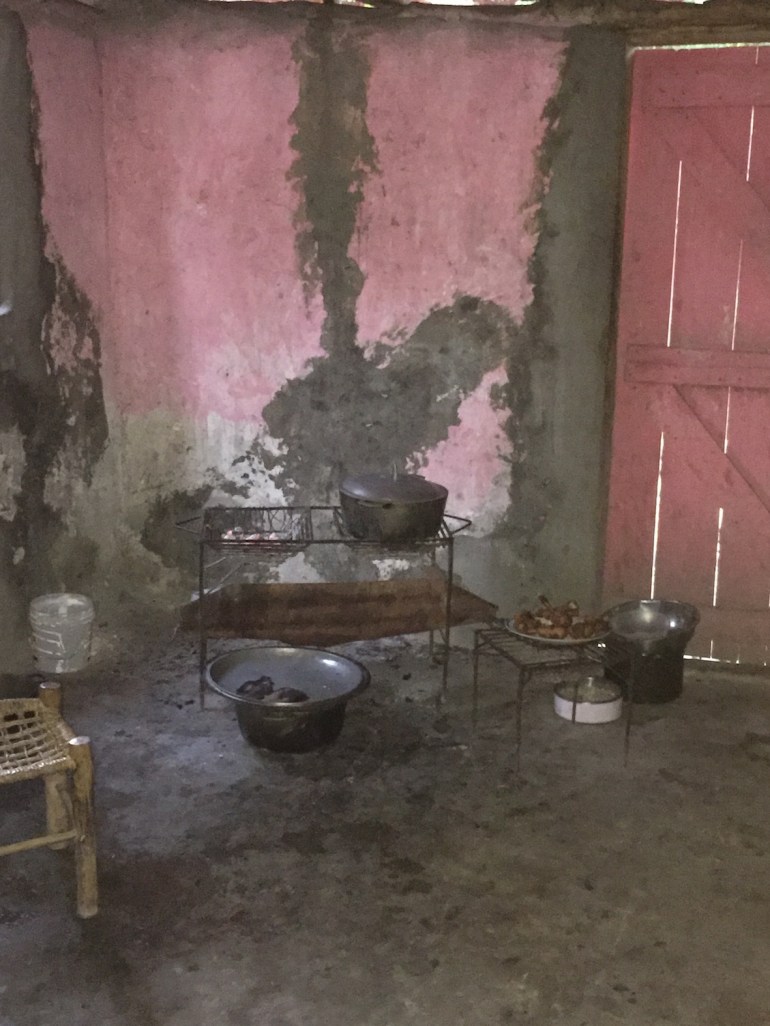
We enjoyed evenings in the village and being welcomed into family homes for delicious meals.  Everything is cooked over a wood or charcoal fire, usually in a separate palm thatch cooking hut.  Fish, lobsters, rice and peas, sauces and salads, all served by the light of an oil lamp.  Haiti is dark at night.

OLYMPUS DIGITAL CAMERAOLYMPUS DIGITAL CAMERAOLYMPUS DIGITAL CAMERAIMG_5829


The Escapade Youth Centre
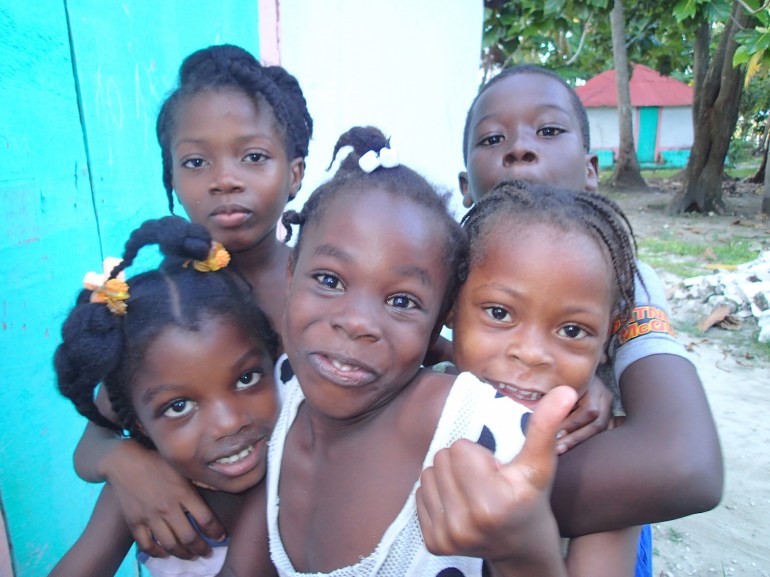
When the middle of the day is hot, we usually have a quiet lunch in the shady cockpit and perhaps 40 winks until it’s cool enough to move around again.  Not here!  We are anchored just off the village and are clearly considered part of it.  The kids here grow up in a small group of families and live quite communally.  The idea that we would like any privacy would not occur to them, any time our dinghy is visible, we are on board and therefore open to visitors.  At any time of day we would have dugout canoes moored by bits of old string to our sterns and an ever changing group of guests.

DSC_2602

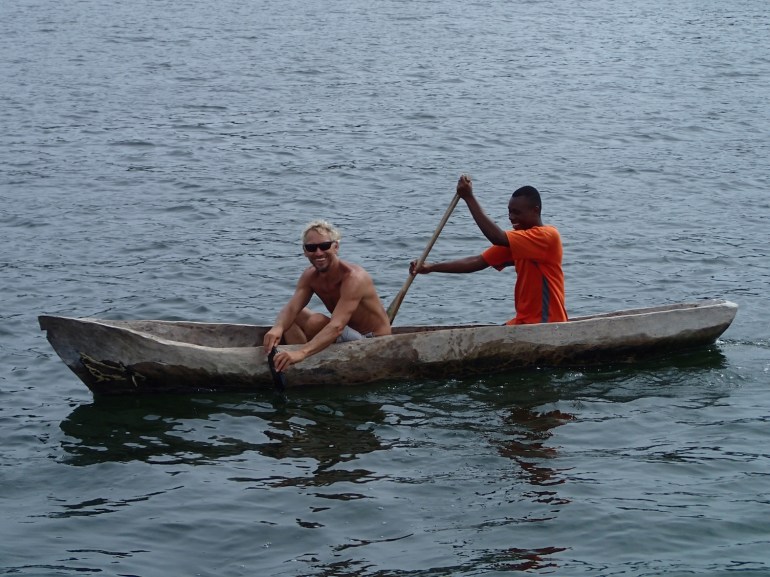
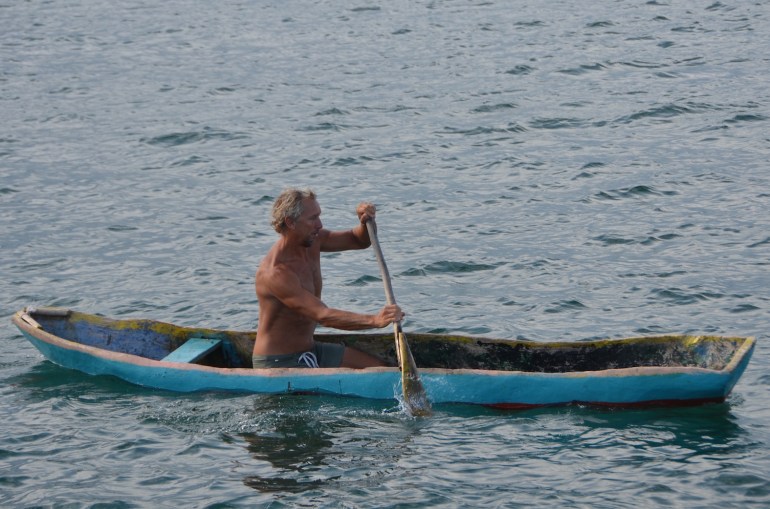
Apart from the opportunity to work and earn a few dollars, the kids just want to be onboard, to practice their English and French, teach us some Creole, show me how to paddle one of their ‘bois fouille’ (canoe hollowed out of a mango tree trunk).  Forget about the quiet siesta, unless I specifically asked them all to leave, which I never had the heart to do, we resigned ourselves to being a floating extension to their social life.

OLYMPUS DIGITAL CAMERADSC_2592DSC_2595DSC_2570

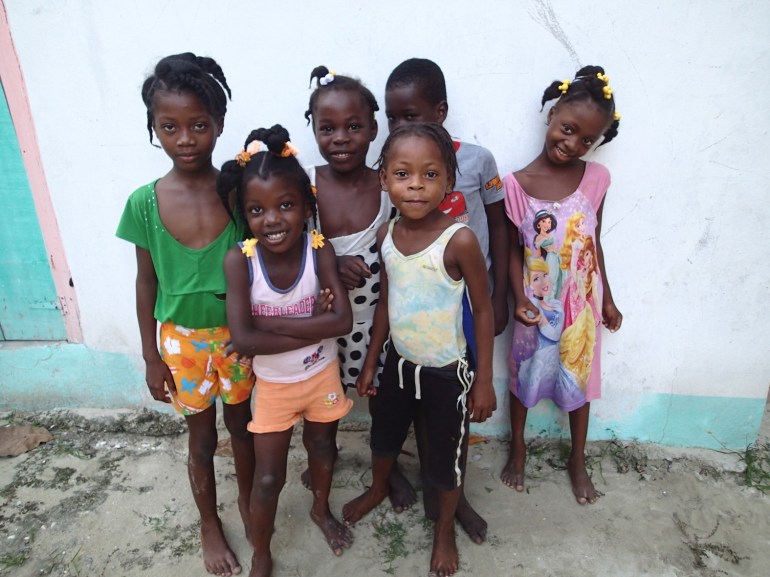
If you grew up here, even the most modest cruising yacht would appear to be a visitor from a different world.  We have solar power, phone charging leads, an onboard desalination plant, cold drinks and satellite communications.  Remember that on this island there are no roads or cars, no electricity or running water (although everyone has a mobile phone and a Facebook account!)  The boys are all keen to learn and they all seem to understand that education is their key to a richer life than their parents or grandparents knew.  Most of those generations speak only Creole and have never left Haiti. These kids study English and French, some Spanish, they can communicate with outsiders and start to understand the world beyond here.


DSC_2567

Haitian boats
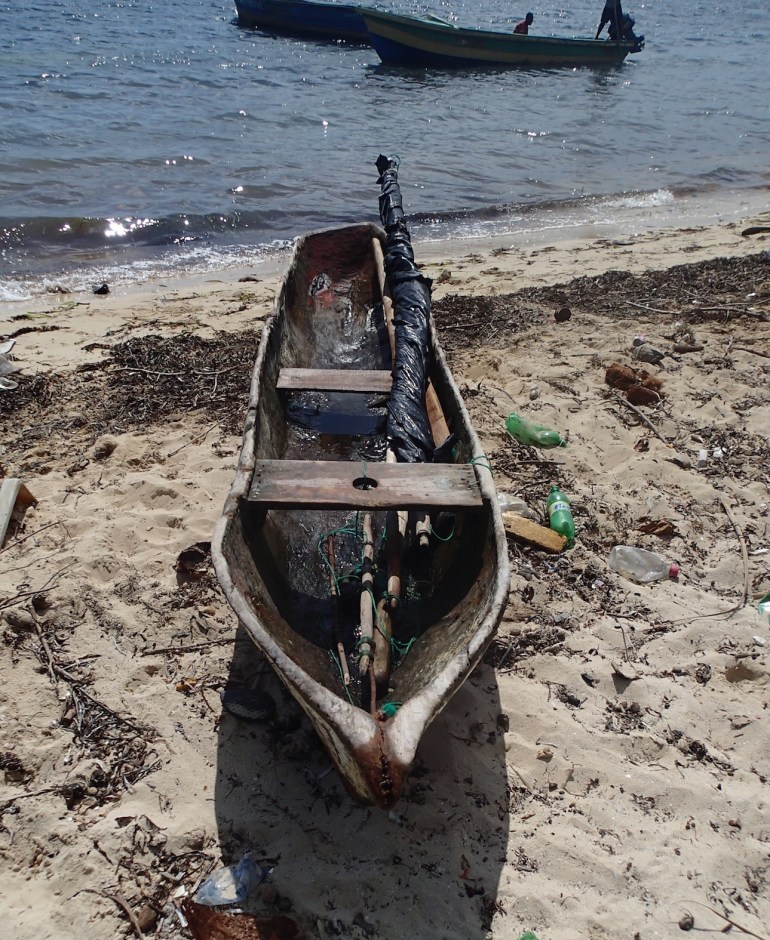
The working boats in the area of Ile à Vache are still powered by sails and paddles.  The ‘bois fouille’ canoes are everywhere, propelled with a rough hand-made oar or sometimes a trimmed palm frond.  It seems every boy has access to one by the age of about 12.  They look to be 1000 years old but may have been made last year.  One of the earliest forms of human transport!  These are in current production, dug-out by hand and available from the builder in Les Cailles for about $60 US, I was very tempted!

OLYMPUS DIGITAL CAMERA

They are really beautiful, often with a pronounced curve or s-bend along their length, following the shape of the mango tree trunk. A bit wobbly to paddle but they also rig sprit sails and somehow balance all that and a fishing net.

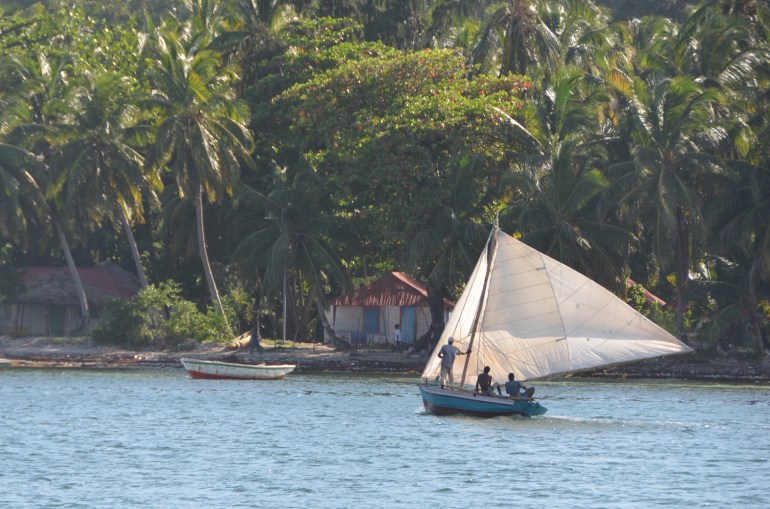
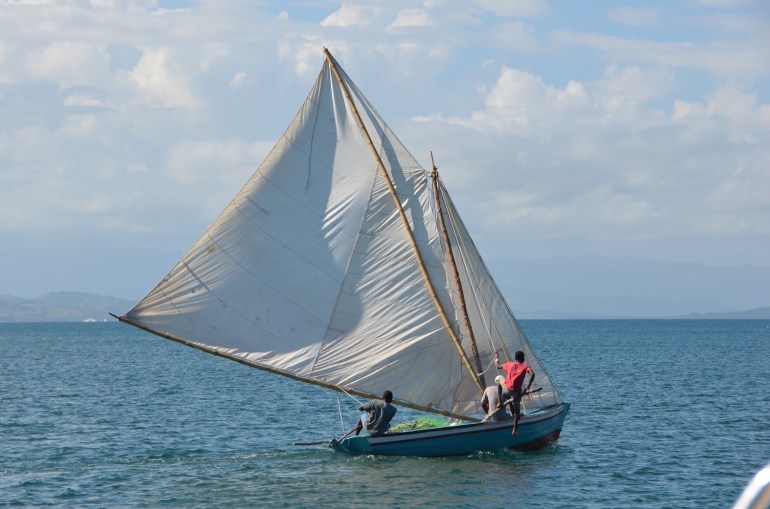
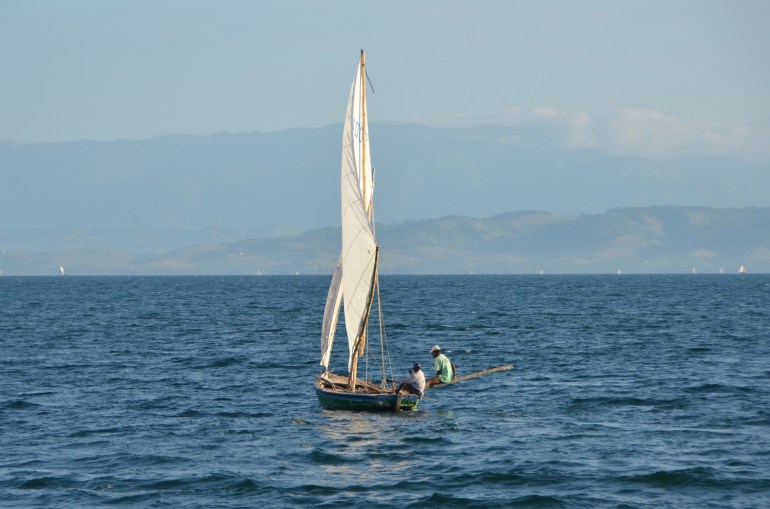
The fishing boats or ‘bâtiments’  are all engineless with enormous mainsails on bamboo sprits, many of these are old yacht sails, presumably donated by visiting boats over the years.  The booms are bamboo and their length out of all proportion to the boat.  The hulls are all built on the beach from the indigenous timber with a simple frame and planking construction, often recycling sound timbers from previous versions.

OLYMPUS DIGITAL CAMERA

They have no keels but are balanced by wedging a bamboo pole under a frame and sending a skilled man outboard as a counterbalance to keep her upright.  Crude but very effective.

DSC_2562DSC_2549

These boats sail upwind and down in all weathers, used for fishing, laying out nets and home-made bamboo fish traps, and also as passenger vehicles for visiting the mainland or the market.  If the wind dies they fold up the rig and use the bamboo poles as oars. So many skippers asked me if I had any old sails or ropes in the locker, sadly not.  Dawn was keen to donate our kevlar code zero which would have made a couple of nice bâtiment sails, but I vetoed that idea.  We were able to provide some snorkelling gear, also in short supply and used daily here for conch and spear fishing.

DSC_2579

If any other sailors are passing this way, don’t discard anything!  Any old sail, rope or rigging that these guys can get will be valued and used to fish and feed their families for decades.
Engines are still rare.  We took a skiff to the mainland powered by an ancient chugging outboard, but there are very few motorised craft here.  This will change and a couple of the boys from the village told me they would train as mechanics for diesel and outboard engines, they already have good English and they hope to make a living working here on visiting yachts.

OLYMPUS DIGITAL CAMERA

Les Cailles
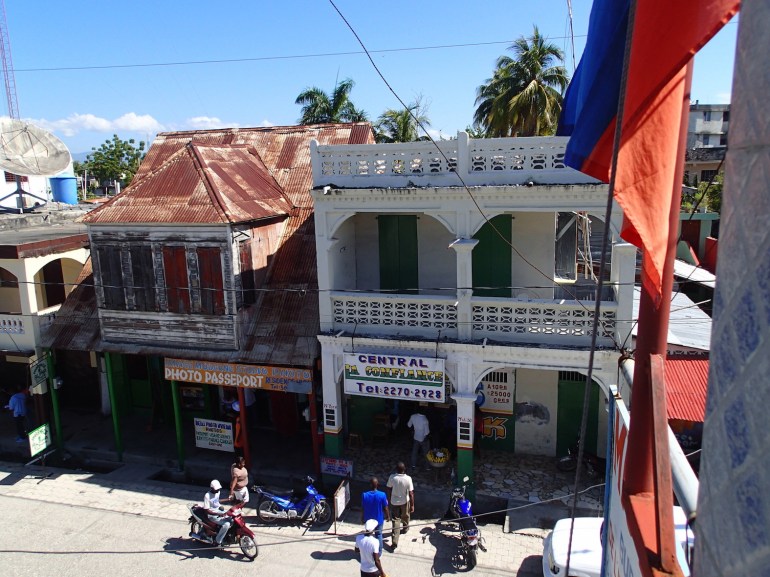
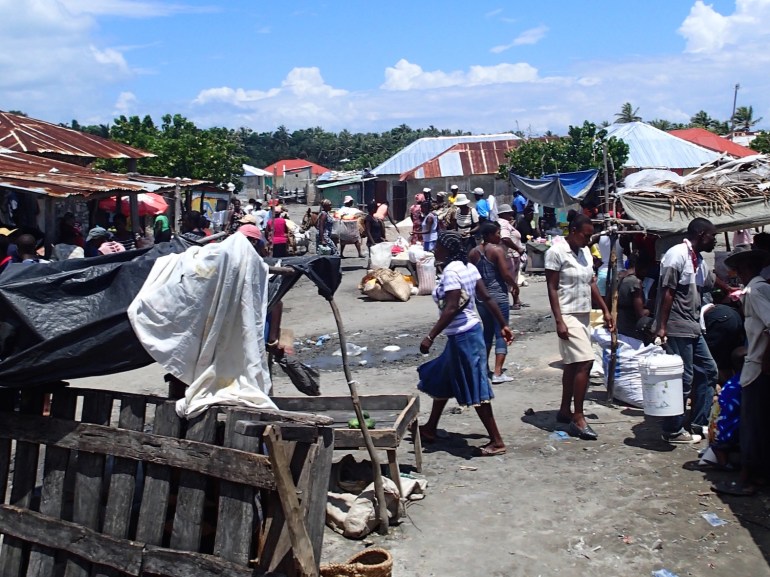
We went over to the mainland to visit the town of Les Cailles where we could clear in with the authorities and visit the market for provisions. The remains of the French colonial architecture are crumbling in to the streets, freight is pushed around on hand carts.  The market was an experience from a different age, all transacted under a cloud of charcoal smoke.  Sorry no photos of this, many Haitians object to being photographed, I don’t fully understand why.  There is plenty that I don’t understand about Haiti, in many ways the most African place we have experienced in the Caribbean.  Cut off from the rest of the world, the Haitian culture has developed in isolation and produced it’s own art and music, voodoo is a mainstream part of the culture.
In the immigration office we were shown to a private room to have are passports stamped. Two floors below was a scrum of Haitians in the process of applying for a passport.  The cost of this is way beyond most of the population, and for the lucky few that acquire one, they then have to get a visa to go anywhere. Not easy travelling on a Haitian passport.

OLYMPUS DIGITAL CAMERA

Madame Bernard
Is the biggest village on Ile a Vache.  We walked for two hours along the mud tracks and beaches to visit the market there.  Another experience that makes you wonder when the clock stopped here.  The market stalls are constructed from twigs, or may be just a few fruit piled on the ground.  Goods are transported on mules’ backs or womens’ heads. Fish and meat are butchered under the hot sun.  We visited the orphanage and hospital and donated most of the contents of our ship’s medical box.

OLYMPUS DIGITAL CAMERA

Le Cheval
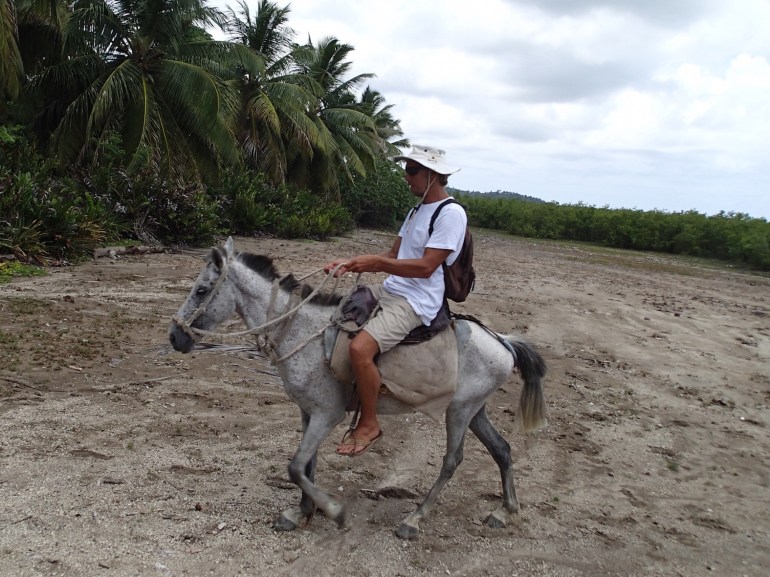
One morning I was enjoying the Haitian countryside from my high vantage point  on a white stallion called Pow.  Sheep and goats made way for us on the muddy path while ripe mangos fell from the trees.  I’m not much of a horseman, but I was quietly pleased with my mastery of this fearsome beast.
So I was quite upset when Dawn showed me this photo, which somehow makes it look as though my feet were only just off the ground…

OLYMPUS DIGITAL CAMERA
A La Prochaine!
We watched four more yachts arriving in the bay as we sailed away, the boys paddling furiously to greet them.  I’d love to come back one day and see how life works out for those guys.
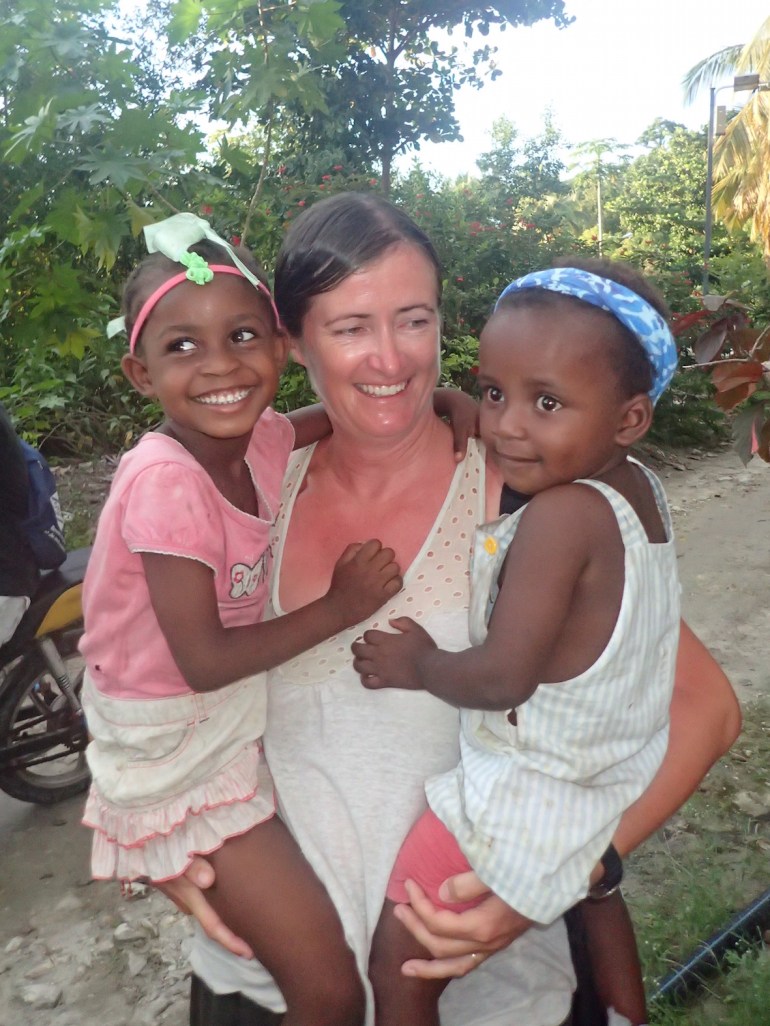
We spent about a week living a slice of Haitian life and it was a very intense time for us.  Dealing with the non-stop attention and trying to manage all the requests, happy to help in any way we could.  A really special experience.  How will Haiti change by the time all these smart kids grow up.  One of our new friends suggested I may want a small house in the village for when we’re too old to sail anymore.  I told him I’d think about it.

OLYMPUS DIGITAL CAMERAOLYMPUS DIGITAL CAMERAOLYMPUS DIGITAL CAMERAOLYMPUS DIGITAL CAMERAOLYMPUS DIGITAL CAMERAIMG_5828OLYMPUS DIGITAL CAMERAOLYMPUS DIGITAL CAMERAOLYMPUS DIGITAL CAMERAOLYMPUS DIGITAL CAMERAOLYMPUS DIGITAL CAMERAOLYMPUS DIGITAL CAMERA

Let’s get lost

OLYMPUS DIGITAL CAMERA

Beyond Provo

23rd April 2016

The boat has been in Providenciales for a month now while we did some maintenance, sailed with Tony and Wendy, then went to Canada and back.  We feel quite at home here now, but we think that there must be more to the Turks and Caicos Islands.  Provo is fun but it’s a real tourist island.  We decided to explore a bit before we move on.  First stop was a quiet reef pass a few miles away.

DSC_2431
The wind was light so we unrolled the jib and sailed slowly just outside the reef where the water depth drops off from 5 to 500 metres.  I was trolling my new lure, a huge hook tucked inside a cylindrical cedar wood ‘plug’.  The boat was only doing about 3 knots when the ratchet on the reel howled as the line spooled off like we’d snagged a powerboat going the other way.  Fish on!
I eased the rod from its holder and felt the fish kicking hard.  The low boat speed definitely helped win the fight as we finally brought the big silver flash alongside where Dawn smoothly gaffed him through the gills and flipped him into the open fish locker.  Wahoo! That’s a legit ‘Game Fish’.  Except it didn’t quite fit!  That locker measures 110cm diagonally and the Wahoo’s tail was sticking out, so we think that’s our biggest catch yet.

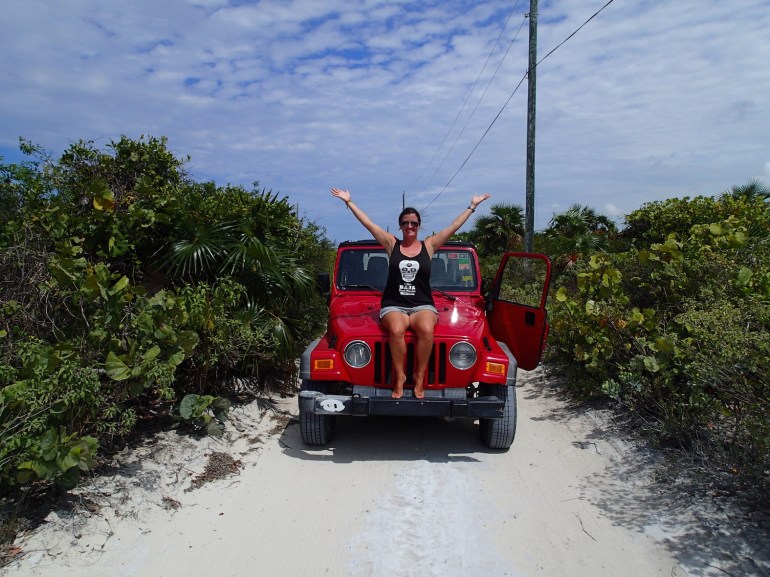
The two big islands of North Caicos and Middle Caicos are surrounded by very shallow water with no anchorages, so we took the dinghy round Parrot Cay and went ashore to meet the natives in a clapped-out rented Jeep.
Feels a bit more like Out-Island Bahamas over here, tiny populations and a church every half mile.  As our host at the wonderful Last Chance Bar said to us: “You’ll like it better here than Provo, there’s much less to do”.  I think I know what he means.

OLYMPUS DIGITAL CAMERAOLYMPUS DIGITAL CAMERAOLYMPUS DIGITAL CAMERA

Back on board we had to sail 60 miles from Pine Cay to the next tenable anchorage off Cockburn Harbour in South Caicos.  Here I went ashore in my running shoes early one morning, without map or water, and got lost for hours down the dirt tracks with wild horses and donkeys for company.  The sun was far too high by the time I made it back, dehydrated from my accidental South Caicos Half-Marathon.

DSC_2514

We cleared customs at Cockburn Harbour and sailed away to the tiny, uninhabited Southern Cays (pronounced Keys, as you know), Long Cay, Six Hills Cays and the Fish Cays.  Now that’s more like it, we sailed between deserted turquoise anchorages far off the beaten track.  Rocky islands covered in prickly pears and crawling with iguanas.  White beaches and colourful reefs, we’re back in free diving mode.

DSC_2440OLYMPUS DIGITAL CAMERAOLYMPUS DIGITAL CAMERAOLYMPUS DIGITAL CAMERA

We’ve spent some time this winter looking for (and finding) these remote places and it’s still such a joy to be living on the only boat in sight, with our own private island, where we can fish, swim, turn up the music, eat, drink and be merry.  Talking of eating, looks like it’s wahoo fillets again tonight..

OLYMPUS DIGITAL CAMERA

Turk’s Head
Apparently the ‘Turks Islands’ are so named because of this cactus, which appears to be wearing a fez, like a ‘Turk’s head’.

OLYMPUS DIGITAL CAMERA

29th April
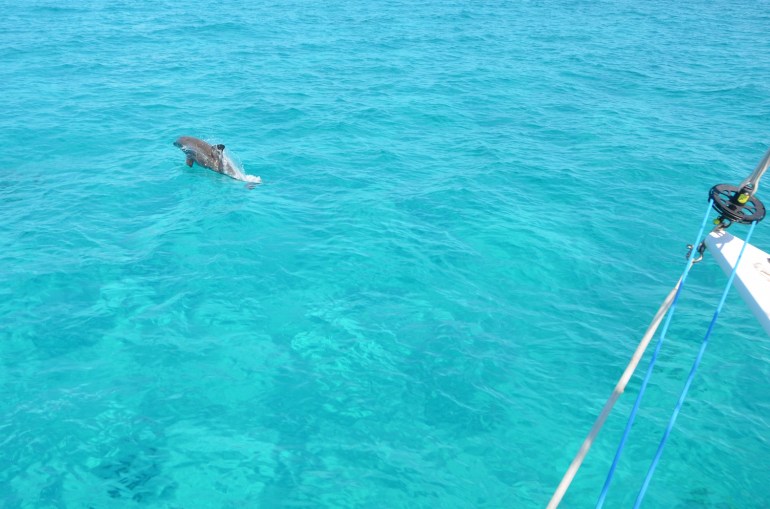
Today we crossed the Caicos Bank from Ambergris Cay to French Cay, about 40 miles across a huge enclosed swimming pool.  It is surrounded by islands and reefs, the enclosed area is no more than 3 or 4 metres deep.  You can safely anchor for the night out here, out of sight of land!  40 miles across a flat turquoise sea with the shadow of the boat just below us on the white sand bottom.  We were joined by dolphins from time to time, they would swim with us for a few laps of the boat before fading away.

OLYMPUS DIGITAL CAMERADSC_2463DSC_2504

30th April
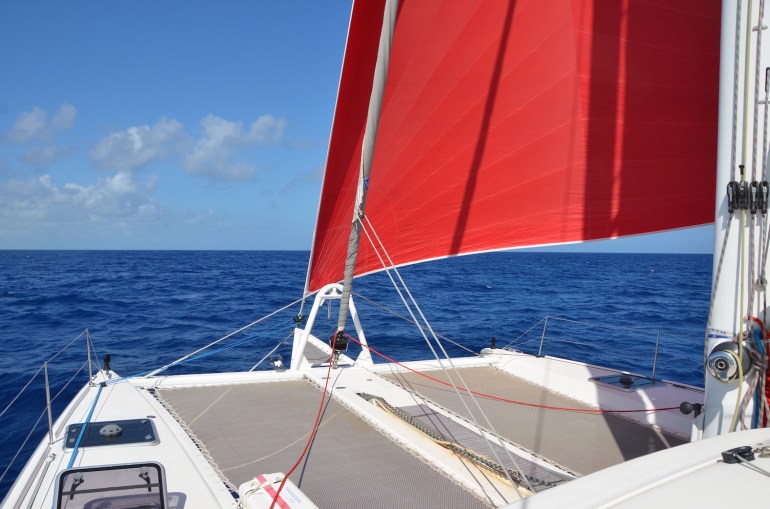
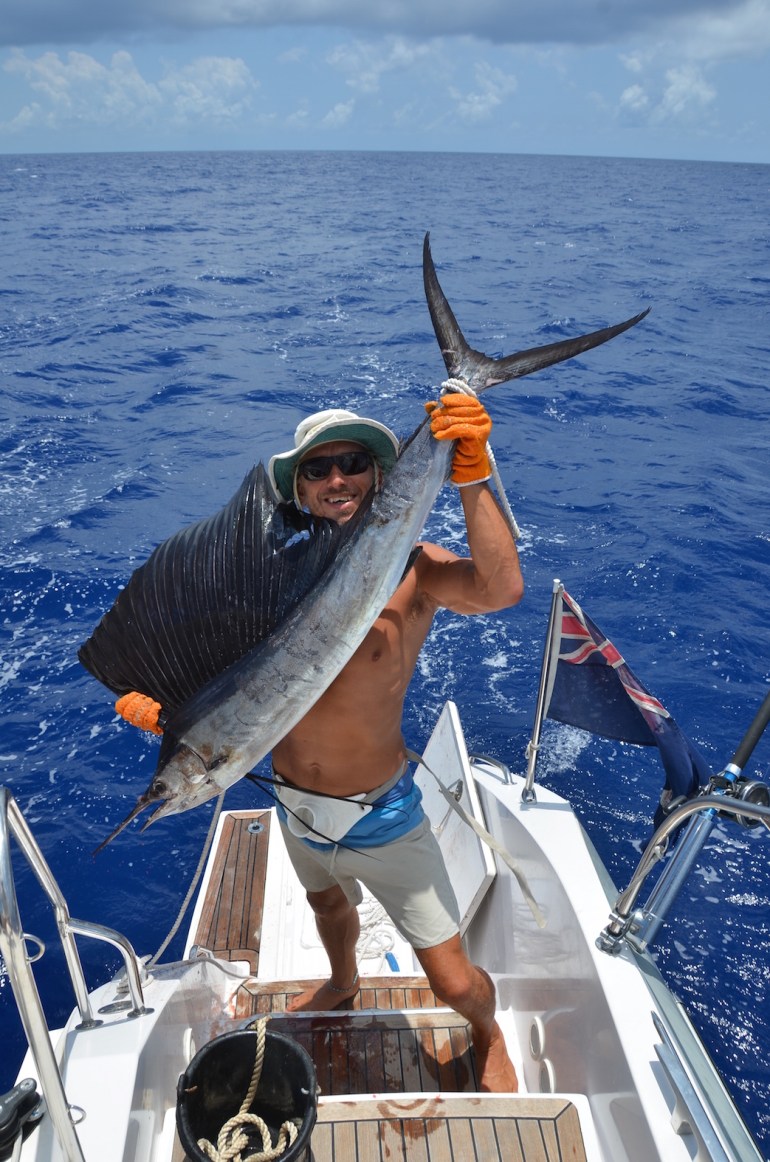
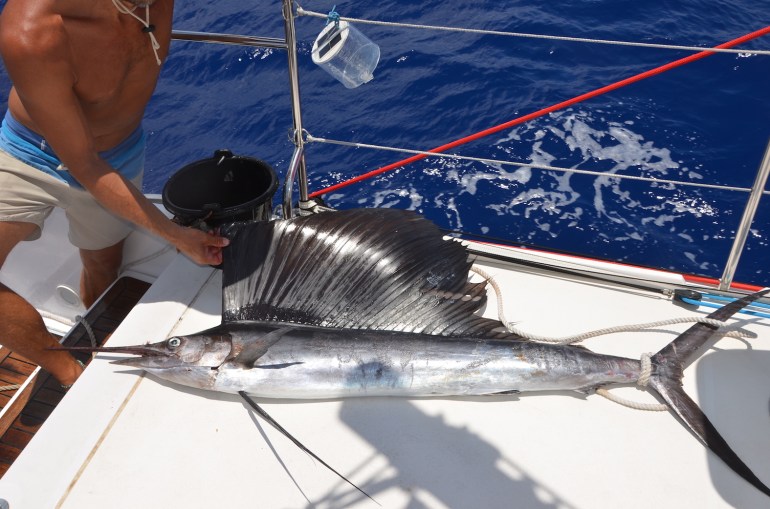
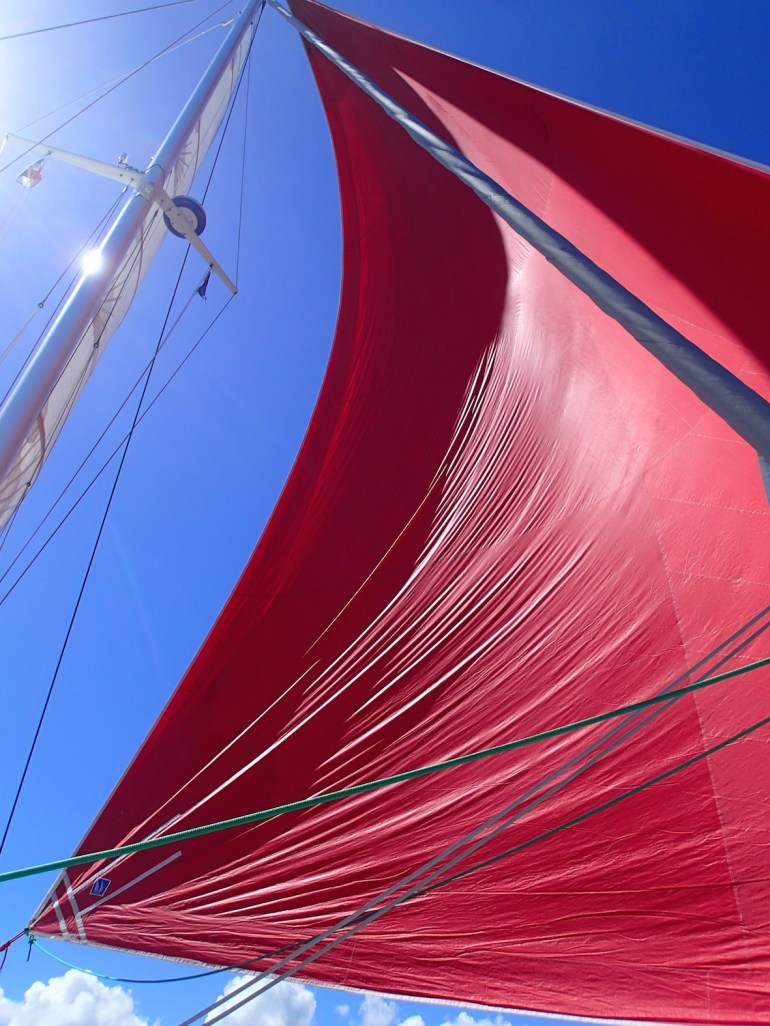
We left French Cay at first light and said farewell to the Turks and Caicos.  We hoisted the big red gennaker and Escapade slipped away in the light breeze, over the end of the turquoise bank and in to the deep blue water beyond.  We had finally finished off the wahoo fillets so it was time to go fishing again.  I was quite pleased with the new cedar plug so we dragged that behind the boat all morning with not so much as a nibble.  Maybe that wahoo was a fluke catch.  Then at high noon we had a big strike.  I carefully adjusted the drag setting on the reel as the rod bent double and the fish ran hard.  Dawn singlehandedly eased and furled the 90sqm gennaker to slow the boat while I watched the last few metres of line running off my reel, nothing I could do, if I increased the resistance the line would snap, if I did nothing it would snap anyway in about 5 seconds, the fish was just too big for this gear.  I have been considering an upgraded reel with more line capacity and drag control, for just this situation!  So I thought all was lost: the fish, the hook, the cedar plug and 500 metres of line, but then the fish just stopped, with only a few turns of line left on the reel, I pulled the rod up and was able to wind some line back on.  The fish was tired!  So was I by the time I had regained all 500 metres, 20 minutes later.  As the fish neared the boat the bill broke the surface, a marlin?  A narwhal?  We finally hauled the extraordinary creature in to the fish locker.  A long spike from the snout, a giant flapping dorsal fin and a huge powerful tail.  This one definitely didn’t fit in the locker. A 1.7 metre long sailfish.

DSC_2489DSC_2492

So the fridges are loaded with fresh fillets again and the trusty cedar plug is back in the tackle locker.  It has only been in the water twice and has delivered 2 big game fish and all the protein we need for 2 weeks!

DSC_2515

1st May
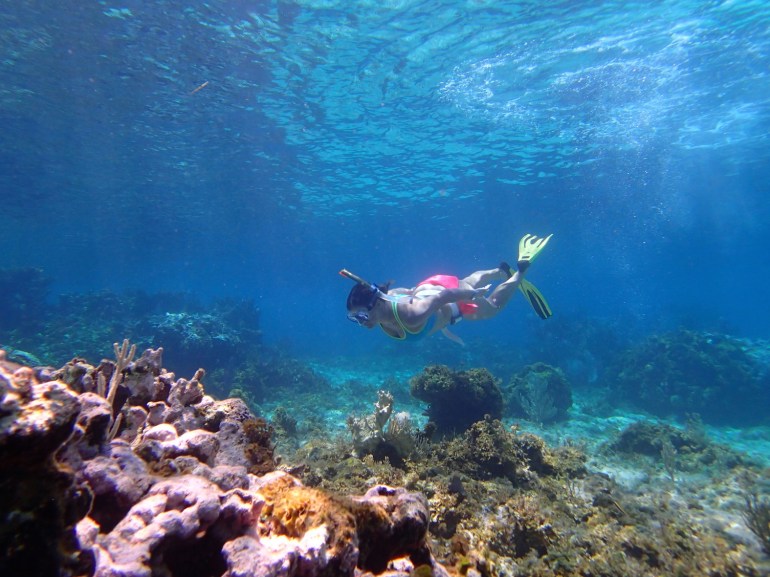
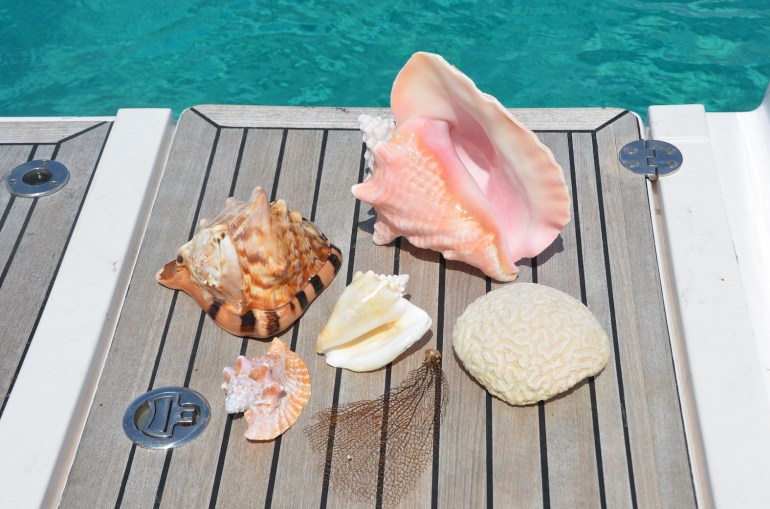
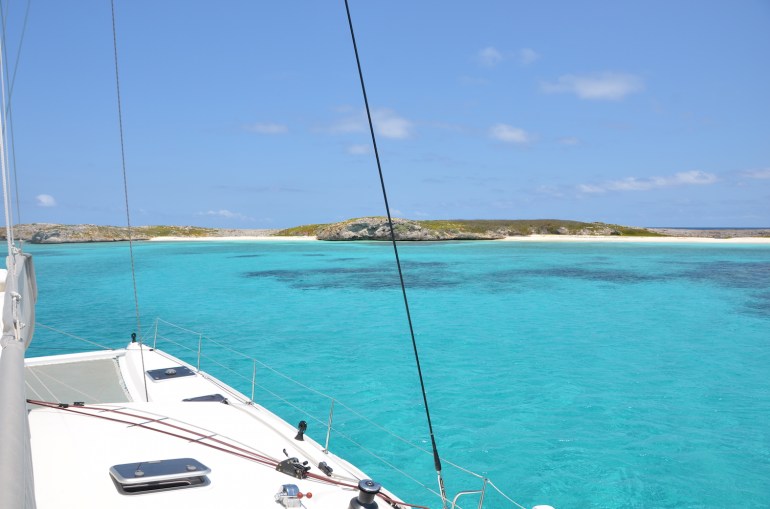
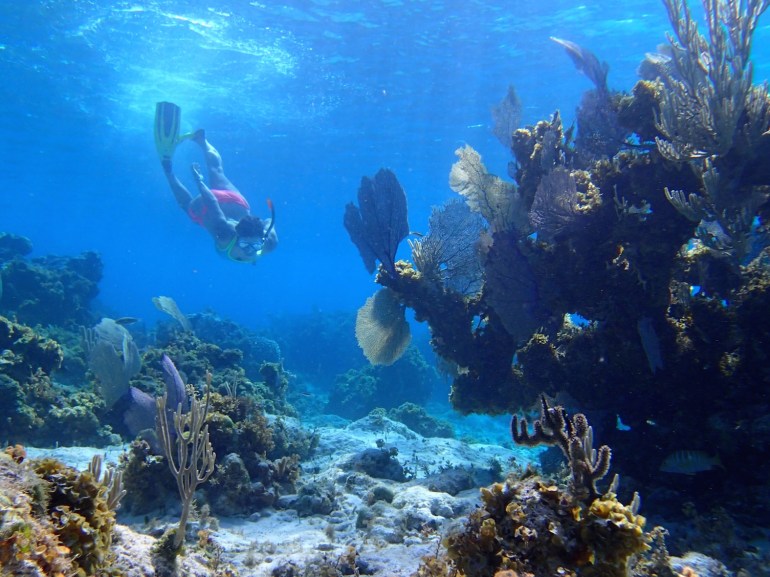
We are back in the Bahamas.  Anchored off a deserted 5 mile beach on the western shore of Little Inagua.  The island is about the size of Guernsey, inhabited only by birds and lizards.  This place is rarely visited by boats and we are completely alone here.  The water is beautifully clear and the beach is littered with shells and coral.  There is an untouched feel to the place, fish swim up to you, curious, not used to having humans around.  The night sky is dark and we can watch glowing jellyfish and squid swimming round the boat.  Behind us is a 500m strip of shallow water over white sand, studded with colourful coral heads, then the depth plunges to the deep, deep blue of 1000 metres. We float out over the drop-off with snorkels,  that dark blue gets a bit spooky. An awe inspiring place to free dive, free fall in to the abyss!

OLYMPUS DIGITAL CAMERA

On one dive to a deep section of reef close to the edge, at around 15 metres down I encountered the biggest Nassau grouper I have ever seen. I don’t think much spear fishing goes on around here, the fish are fearless and relaxed.  I got to within a few feet of the grouper, which was about the size of a golden retriever, he seemed quite pleased to see me. Well within range, happily for him I was unarmed. I have been banned from killing anything else until we’ve eaten all the sailfish.
We had planned to sail off again this morning but just couldn’t tear ourselves away.  Little Inagua is the Garden of Eden. We’re staying.  Sailfish curry anyone?

OLYMPUS DIGITAL CAMERAOLYMPUS DIGITAL CAMERAOLYMPUS DIGITAL CAMERAOLYMPUS DIGITAL CAMERAOLYMPUS DIGITAL CAMERAOLYMPUS DIGITAL CAMERAOLYMPUS DIGITAL CAMERADSC_2503DSC_2439DSC_2410
OLYMPUS DIGITAL CAMERA

Mountain High

P4140034

9th April 2016
So Escapade is tied up safe in Turtle Cove Marina, Providenciales, Turks and Caicos Islands.
Now for the first time in months we have to deal with the traumas of:
Long trousers
Socks and shoes
Airport security lines
Large scale human transportation in Easter holiday season.
But it’s worth it!
Our first trip to Canada.
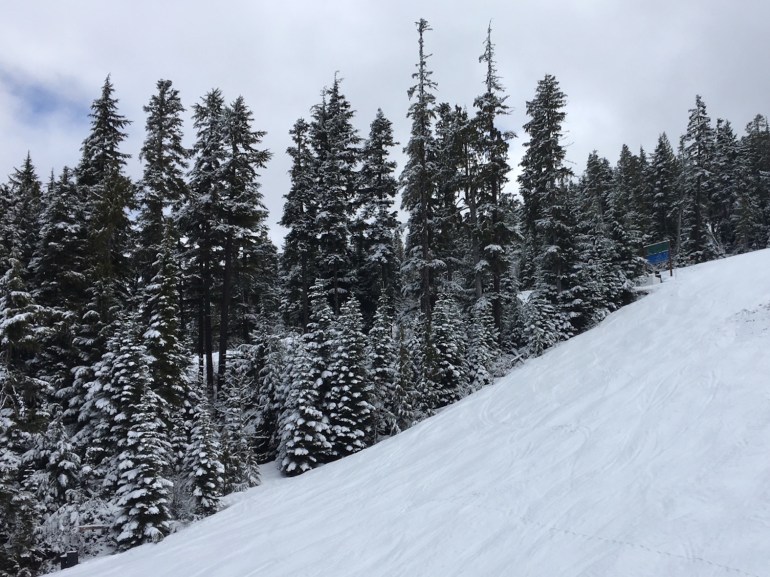
Crisp mountain air, our good friends from Guernsey and our first snowboard turns for two years.  Whistler and Blackcomb mountains are a vast playground.
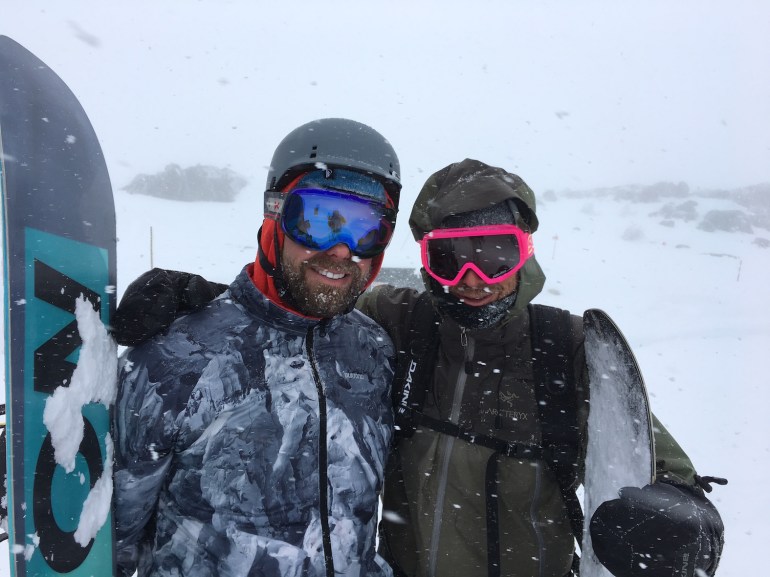
There is even an April snowstorm!  So refreshing to be riding through a blizzard.  Even better the next day waking up to blue skies and a foot of powder at the top.  Hiking up from the top lift to drop in to the Blackcomb Glacier Bowl with Tony and Gill.
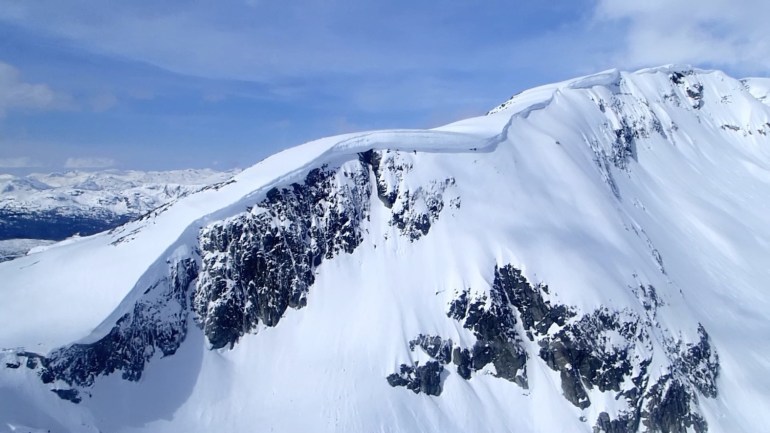
Then the ultimate treat of touring the untracked peaks of British Columbia on a heli-skiing trip.

IMG_1771IMG_1757

Heli Guilt
I don’t really agree with heli-skiing.  Maybe I’m an old boat-dwelling hippy, powered by wind and solar, but it just doesn’t seem right these days, does it?
Helicopters are obscenely loud, violently chopping the air and spraying aviation exhaust all over an otherwise silent and pristine wilderness.
I imagine the local bears and elk view them much as I would a jet-ski in a quiet anchorage.  A rude intrusion to the natural peace of their winter in the mountains.  The French thought so and banned it completely in their Alps.
It is a very expensive and elitist way for those who can afford it to experience real back country skiing, without exertion.  How many heli guests would have the fitness to climb a slope with skins?
So I have mixed feelings, and it will all probably be banned soon, as a disastrously hedonistic waste of jet fuel.  But for now, for the lucky few, a helicopter is still the ultimate ski lift.
It takes you in to high mountain terrain and spits you out at the top of your powder daydream.  My first hell snowboard trip was in Alaska and I had more untracked riding in a week there than the whole of the previous 10 years.
Even for those with a healthy adrenaline-appetite, it starts to feel a bit gluttonous.
But here we are in Whistler, I mention some of these concerns to locals while chatting on chairlifts.  They assure me that BC is so vast that there are plenty of quiet spots for bears to sleep peacefully outside of the relatively tiny area licensed to the heli-operators.  The smooth talking concierge at our hotel studies the weather forecasts.  Snow is falling.  He predicts conditions on Thursday will be heli-skiing perfection..

 
OLYMPUS DIGITAL CAMERA

Thursday
Tony and I arrive at the heli base and meet the group we will be flying with.  The sky is blue and spirits are high.
We spend the morning learning how to ride out an avalanche, find each other when buried under a slide, how to use the transceivers, probes and shovels in our backpacks.
Reassuring words from our guide: “I have NEVER had to dig out a skier on one of these trips.  And this is my second week on the job..”  Funny man.  Next we learn how to get in and out of the helicopter, not get our heads chopped off, how to escape from an overturned aircraft in the snow in the unlikely event that we survive a crash.  Our group has gone a bit quiet.  Finally we are loaded in to the helicopter and off we go.  It’s spring weather down in the valley, rivers gushing through the trees, but as you climb up into the world of high mountain peaks, it’s winter again.
A beautiful day.  Thousands of metres of descent through virgin snow.  It was so good.  I was laughing out loud whilst floating from turn to turn.  If you like that sort of thing, go heli-skiing quick, before they ban it.

Airtime
Meanwhile back on the groomed slopes of Whistler, I can’t  help notice how ridiculously radical skiing and snowboarding have become lately.  The ‘snow park’ used to be a little place on the side of the piste where the teenagers hung out, right?  A sort of novelty obstacle course, I never really took much notice.  Now it seems to be the whole mountain!  And those ramps have got huge!  The aerial antics of the pros in Red Bull helmets are terrifying, but it’s not just them, everyone under the age of 30 seems to spend more time rotating above the mountain than riding down it. The teenagers in our group from Guernsey were getting coached to a high technical level and progressing so fast. Nobody seems interested in carving turns anymore, it’s all about park skills, rails, boxes, kickers and big, big air.  Impressive.

End of Season
Can’t believe how good the snow still is in the middle of April, but down in the village folks are sunbathing by the pool.  Trees are in leaf, the lifts are closing. There is a music festival, the young seasonaires of Whistler are enjoying end of season parties, all night DJ sets, fancy dress ski days and the hilarious ‘Silent Disco’ (gate-crashed by Team Guernsey).  So happy that we grabbed the opportunity to get some mountain time, in the last gasp of Canadian winter.  Thanks again to Team Tostevin for dragging all our gear there and back.  It was great to be with you all up there.

Back to reality
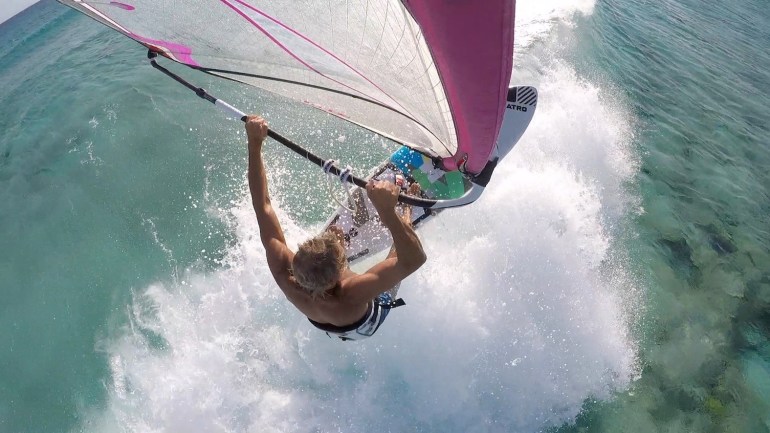
After 9 days in snowboard boots its great to feel our bare feet  on the warm decks of the boat.  Mine are straight back into the footstraps of my windsurf board. There’s a good swell on the reef and I have the warm waves to myself again. It’s good to be back!

The Turks & Caicos Islands

OLYMPUS DIGITAL CAMERA
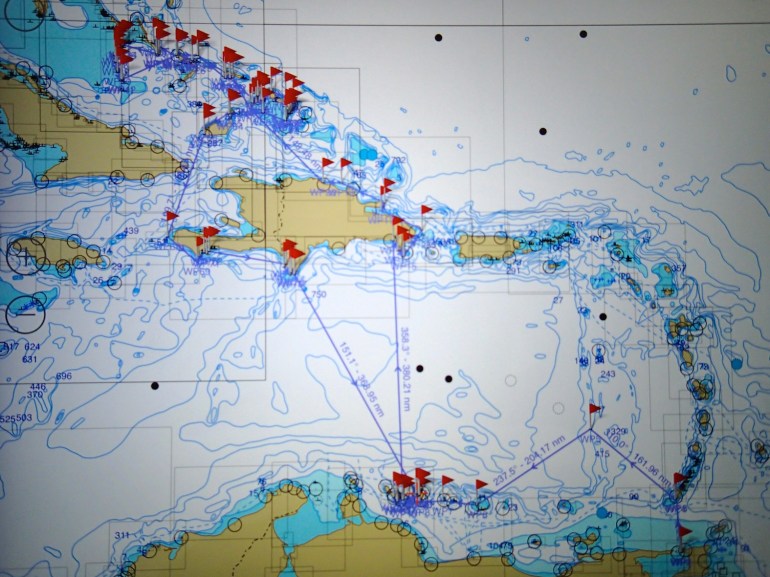
When you casually glance at a chart, the TCI archipelago appears to be hundreds of square miles of interesting islands to explore.
We’ve heard there is great diving and windsurfing, I reckoned we would need at least a month to see it all.
Then when you then sit down and study the charts and pilot books you realise that it’s not really a place for sailing boats to cruise and there are only a handful of possible anchorages.  The whole place is so shallow that even we can’t get in to most of it.  We hadn’t really done the homework until we arrived.

OLYMPUS DIGITAL CAMERA

Providenciales (Provo) is the most developed and commercial island.  The north coast is a continuous strip of white sand, beautiful water inside a barrier reef, backed by resorts and hotels.
But what it lacks in interesting anchorages it makes up for with great facilities.  We had a few small boat jobs to do; we needed a metal fabrication, some woodwork and a few spares.  Provo has great DIY shops, workshops, engineers and machine shops, a real hive of industry down the dusty tracks inland.  And all quite enjoyable thanks to the friendly and helpful folks of Provo.
We ticked some jobs off the list, also went scuba diving at West Caicos, found some waves on the Provo reef passes and sampled some of the many restaurants.

OLYMPUS DIGITAL CAMERAOLYMPUS DIGITAL CAMERA

Special Guests
Wendy and Tony joined us for a few days. This was the first time Wendy (Dawn’s Mum) had sailed with us since she crewed a passage from La Coruna on our first Atlantic trip 12 years ago. We were keen to show them a slice of Escapade life.

We went sailing and found some quiet cays to the North of Provo where we anchored and explored a bit, Tony piloted the boat through the reefs, we ate conch, went snorkelling and marvelled at Wendy’s 2-up freestyle windsurfing debut.

Great to hear all the news and realise how out of touch we are with UK current affairs. The intrepid travellers left us to continue their trip travelling Cuba from end to end by road. We look forward to hearing all about it.

The Endless Summer?

Living a whole winter on a sailing boat is really my dream come true.  I spent the last thirty odd winters working, with weekends windsurfing the gales in the brutally cold English Channel, paid my dues.  Now I’m living in the tropics for months at a time, in and on the water every day, warm trade winds – the endless summer.

Having successfully avoided two winters, there is just one small thing at the back of my mind.  It’s all nearly perfect, but there is still something I am missing….

Snowboarding!

All those cold winters were at least close enough to the Alps for a couple of trips each season.
When I first mentioned this Dawn laughed, “you can’t have it all”.
But there was an invitation to join friends on a ski trip, with an offer to bring all our snowboard gear from Guernsey!
In Turks and Caicos we found a safe harbour to park a boat for 10 days and direct flights to Canada.
We’re off to Whistler.

Bahamian Rhapsody

hack

10.03.16 Long Island
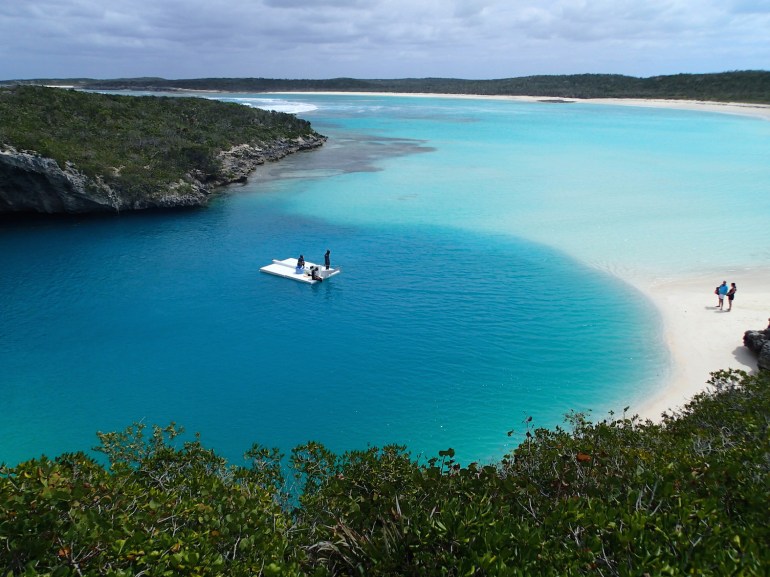
Clarence Town was to be as far North as we went on this trip.  Another front came through and the windsurfing was great.  We explored ashore a bit, found that there is a famous ‘blue hole’ where free divers compete every year, so we had a dip in that.  200m deep but we only saw the first few of those.  We were able to buy enough provisions to sail off to the wilderness again for a while.

OLYMPUS DIGITAL CAMERA 

Windsurf research

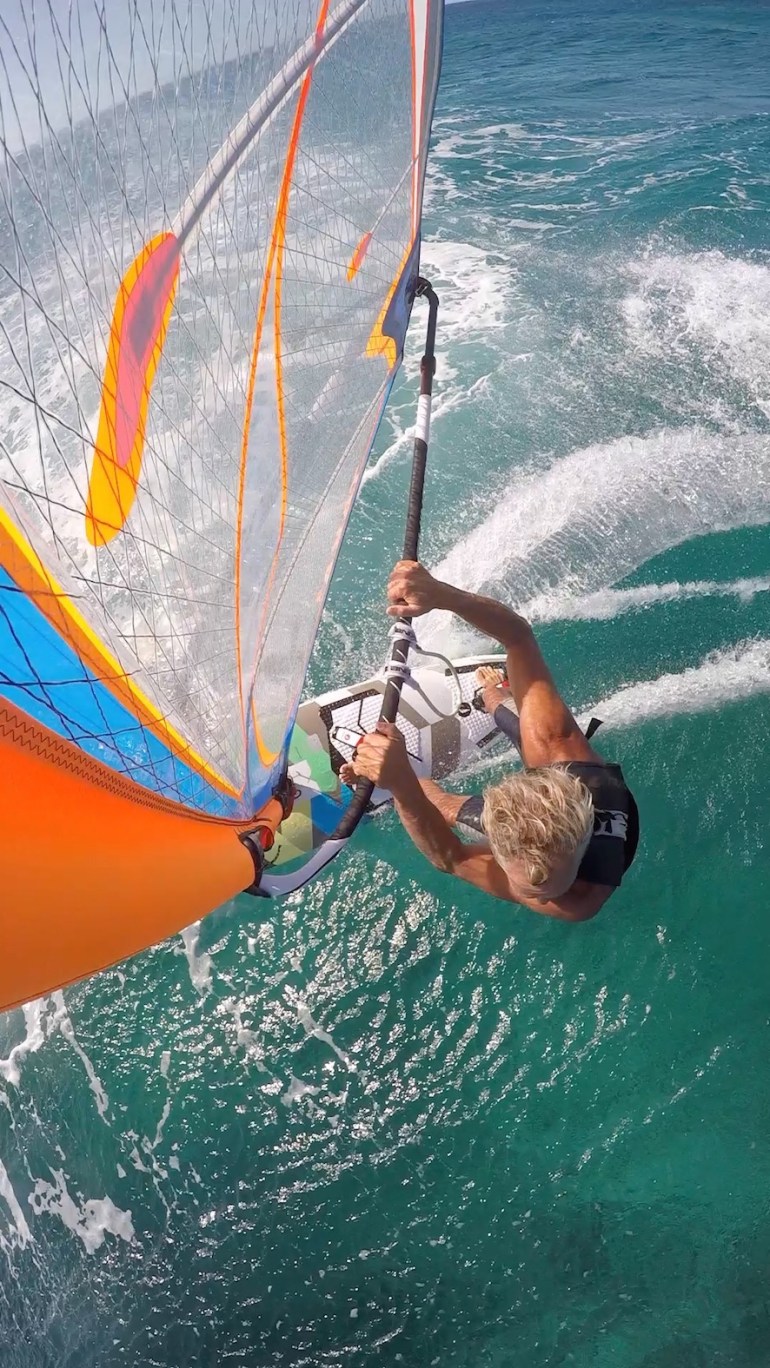
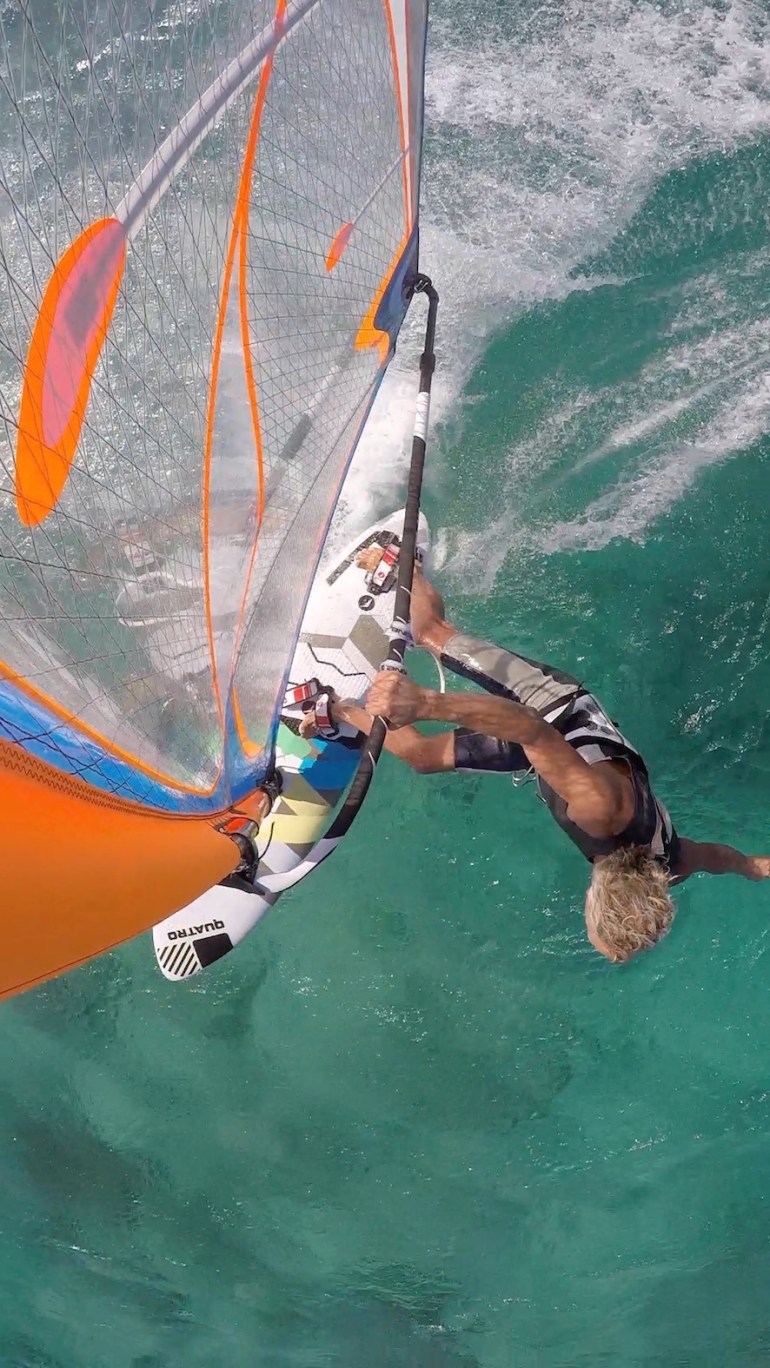
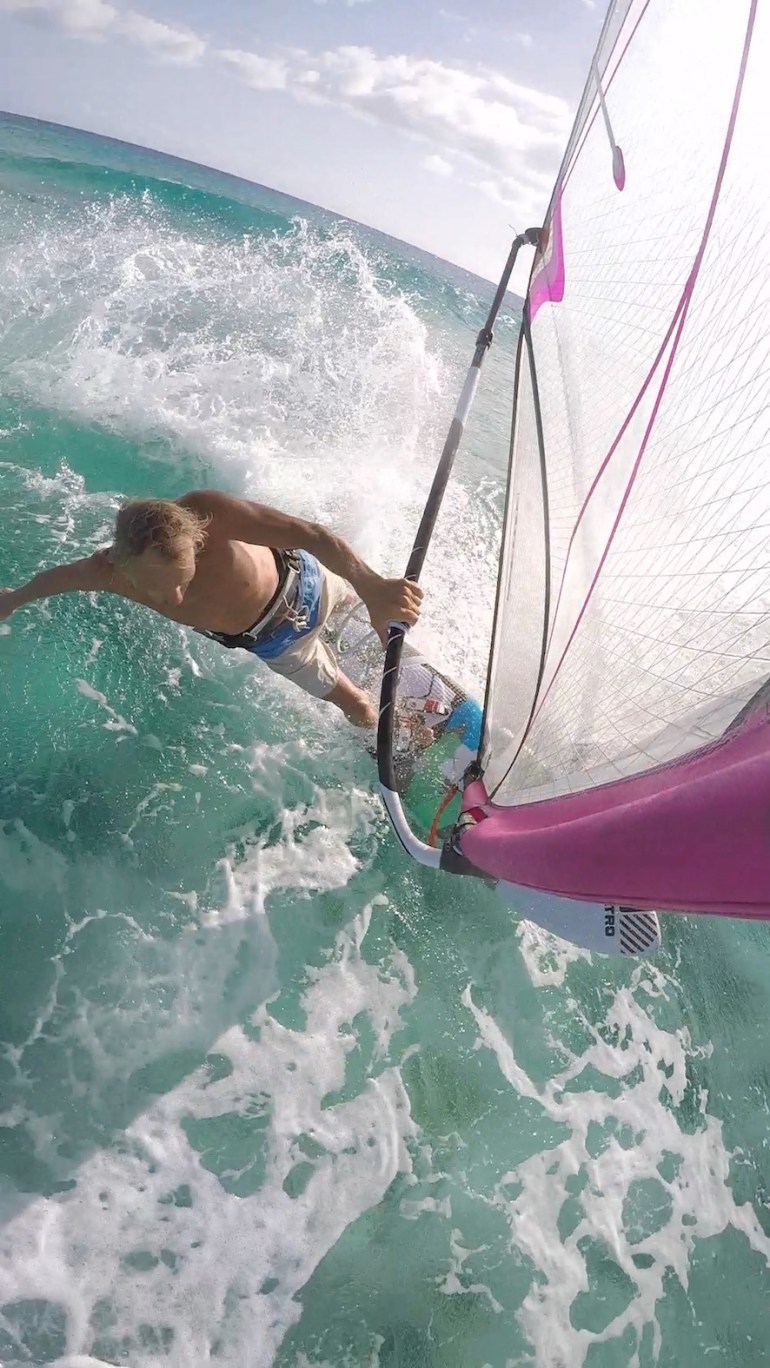
I have windsurfed in waves every day this week.  Two different reefs on Long Island, riding on both tacks, small waves, bigger waves, all fully powered with 4.7 or 5.3.  Both spots are remote and only really accessible by boat.  The waves are mainly windswell wrapped around points and reefs, faces cleaned up by the shallow coral and groomed by the side-shore breeze.  Nothing too heavy but great fun to ride and there are some shallow ledges where the waves wall up and throw a bit.  The potential for wave sailing in these islands is inspiring.

GP034452

If you want to try it you need good charts, maybe some Google Earth research, a floaty wave board, sails 4.5-5.5 and an ocean-going yacht.  With shallow draft.  Then you need plenty of time, and patience.  Watch the wind direction clock as fronts pass, swell and wind line up and the spot comes alive.  You also should be happy sailing shallow and alone, you’ll have the pick of the waves, I wonder if these reefs have ever been windsurfed before?  And what would they look like with real groundswell?  I saw plenty more possibilities last week before the wind started to blow.  The reef passes on the north shore of Acklins and Crooked Islands must hide lots of sailable waves,  all exposed to north swell, but you also need somewhere safe to anchor the boat while it blows.  More exploring required…

air2

A close encounter
As I was sailing my board back upwind from the reef to the mothership, I was crossing a lagoon in very shallow water.  The bottom was rippled white sand with the odd patch of coral or seagrass.
I was slaloming round these and enjoying the view of the seabed as though from a glass bottomed boat.  The water was clear and no more than three feet deep.  One of these coral patches appeared to be moving.  I pinched upwind to get closer, travelling at 10ish kts.  I was leaning right out over this dark patch to investigate as I went by.  I realised it was an eight foot hammerhead shark at about the same moment that it realised a windsurf board was inches from it’s head.  It turned it’s head violently and thrashed about in surprise, I did much the same.  The dark shadow disappeared behind me and I tacked back towards Escapade, only to cross it’s path again.  This time the shark showed interest in the wake streaming behind my board and gave chase, for a while.  Probably never seen a windsurfer before.  It was quite a moment, for both of us.
OLYMPUS DIGITAL CAMERA
The Jumentos Cays
I love the feeling of freedom and self-sufficiency when the boat is loaded with supplies for weeks of exploration.  The lockers are full of food, the cellar is stocked with wine and beer,  we have a whole archipelago to explore and nowhere to be for weeks!  We are off to the Jumentos.  A chain of dozens of islands, uninhabited and rarely visited by cruising boats.  They don’t even appear in our cruisers guide to the Bahamas.  I have been daydreaming about sailing to remote places, fishing and diving, and maybe discovering some windsurfing treasure along the way.  There will be no phone signal, no internet, no supplies and probably no company.  We are told the fishing is excellent, but watch out for sharks.  We set sail, 48 miles downwind with a 20 kt breeze.
DSC_2318
11.03.16 Water Cay
Our first Jumento.  South of the ‘No Name Cays’ we are greeted by a family of dolphins, tiny babies finning hard to keep up with their mothers as they glide around the boat.  The babies stay in exactly the same position relative to their mother, slipstreaming on her right side and matching every twist and turn of her body.  Born swimming.  We surf through the hair-raising shallow green entrance with waves breaking around us to arrive in the calm lee of Water Cay.  We are now on the edge of the Great Bahama Bank, a vast sea of bright blue shallow water stretching north to Bimini and west almost to Cuba.  Most of it about 5 metres deep.  (‘Bahama’ from old Spanish: ‘Baja Mare’, shallow sea).  You see white clouds turn turquoise here, reflecting the sea colour.
There is one other boat here.  Cheval is a classic Outremer 50 built in 1995, a direct ancestor of Escapade.  David and Natalie have been on board alone here for days while all that wind blew through, they are happy to see other people, and another Outremer.   We hike to the top of the island to enjoy the view of the waves crashing to windward and the two catamarans anchored off the leeward beach.  Outremers are quite rare and here we are the only two yachts for miles in any direction.
OLYMPUS DIGITAL CAMERA

ESCAPADE AND CHEVAL

What are the chances? We were lucky to meet them, David and Natalie have sailed the Bahamas for years and they come to Water Cay every year.  They have also sailed across the Pacific and still think the water here is the most transparent they have ever seen.
So they are experts in these waters, they know every reef and bank off Water Cay and also happen to be life-long spear fishermen.

Spear Fishing
Having acquired a bit of basic freediving training in Bonaire, I have been keen to apply the purist skills of descending to depth ‘because it’s there’ to the more practical art of swimming down to the reef, sneaking up on a beautiful wild creature, shooting it through the head and surfacing with a free supper.  We have speared a few easy fish and lobster in shallow water but almost everywhere we have been, spearguns are illegal.  I brought one from Guernsey where it has yet to kill a bass.
Now I have a new toy, the ‘Hawaiian Sling’ which is basically an underwater bow and arrow, but it is legal to fish with one in the Bahamas.  My new neighbour David is an expert.  He offers to take me out to the reefs.  For a couple of days I am treated to a spear hunting masterclass.
OLYMPUS DIGITAL CAMERA
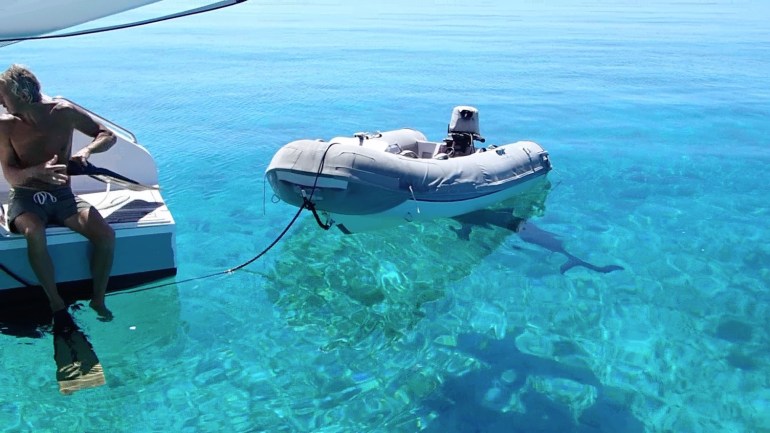
How to cock and shoot slings and pole-spears, where to find delicious hogfish, triggerfish, groupers and lobsters, how to dive, approach them and get the best shot.  What not to eat as a precaution against ciguatera poisoning.  David spots a lobster in a coral cave about 6m down, shows me where it is and tells me to go and shoot it.  I cock the sling, dive down and swim outside the cave trying to take aim, I shoot and miss.  The lobster retreats further. David’s turn, He descends through the transparent water and with one gloved hand holds on to a rock at the mouth of the cave, hanging upside down whilst carefully aiming and firing his pole-spear with the other.  He didn’t miss.  The key advantage being that he could hold himself still whereas I needed both hands to fire my sling, ok, better get a pole spear too!   It’s another very simple spike catapulted by a stretchy rubber tube.  One of the important things is to be close to the dinghy,  David and I did some long drifts on the tide, diving down to every likely coral head while the dinghies stand by.  Today the wind has dropped to nothing.  At slack water Dawn snorkels with me, spotting for targets whilst towing the dinghy with the painter attached to her weight belt!  At the end of this morning’s productive session the vibrations and blood in the water had attracted some very large barracuda and a shark, time to get back in the dinghy.
We have learned a lot, eaten a lot and there is plenty in the fridge.
The classic free diving techniques get distorted by all the fishing factors.  It is hard to maintain a relaxed, slow heart rate at depth when you are hunting.  There is too much going on.  Swimming against a current, spotting your prey, getting close enough to take a shot, perhaps diving repeatedly to the same depth to get the right moment and then hauling the speared beast out of the coral cave in which it has tried to retreat.  Having shot my first hogfish only to have it swim off the spear as I was ready to surface, I dived back to the bottom and without time to cock the sling just hand-harpooned the wounded fish, this time past the folding barb, secure on the spear, and dead.  Ok now time to go up.
All that diving is tiring.  What’s needed are afternoon naps, protein-rich meals, a sound night’s sleep in a glassy calm bay, ready to do it all again tomorrow.  Tonight’s supper is lobster (again) with ginger, garlic, sesame oil and soy sauce.
Away from it all
What is ‘it all’?  Not sure, but I think we’re away from it.  No buildings, cars, people, not even a plane in the sky.  No wind again today and I’m listening to birdsong as the sun rises over Water Cay.  Last night we watched sharks swimming under the boat, I saw shooting stars in huge dark sky, the only light pollution was the glow of the white sand beach.  I always find these places really special but it’s hard to put your finger on it, what’s the attraction of the wilderness?  OK, It is beautiful, peaceful, nobody here except birds, lizards and fish.  After a couple of days there seems to be a purity to the experience, ‘pura vida’, I don’t want to leave.  Just to be alive in the elements, sun rises, birds sing, we breathe, swim, fish, eat, sleep.  Sharks swim beneath our bed.
DSC_2327
I was talking to a passing Bahamian fisherman, Pietro. His first greeting was ‘Hey man she’s a beauuuuty’. Not sure if he meant the boat or the deck hand.  Anyway he was out here on a hard 12 day fishing trip to the Jumentos from his home on Long Island.  With a big grin he told me he prefers it out here because he’s ‘closer to God’.
sharky as
More shark stories
Back in Clarence Town an American guy was telling me about sharks.  He had just been watching them while fishermen were cleaning their catch on the dock.  “Man there were nurse sharks, tiger sharks, bull sharks, makos, hammerheads’.  ‘How big?’.   ‘Big!’
As he spoke a huge shark came gliding right under our feet and out the other side of the dock.
Now I’ve been in lots of sharky places over the years.  Australia, South Africa, Hawaii, California and I’ve spent plenty of time in the water, surfing and windsurfing. You know the sharks are there, they live there, but in all those places I’ve never actually seen one in the water, so they remain sort of theoretical.
Here in the Bahamas the sharks are big, common and highly visible.  The water is just so clear you can see every detail, not theoretical at all.
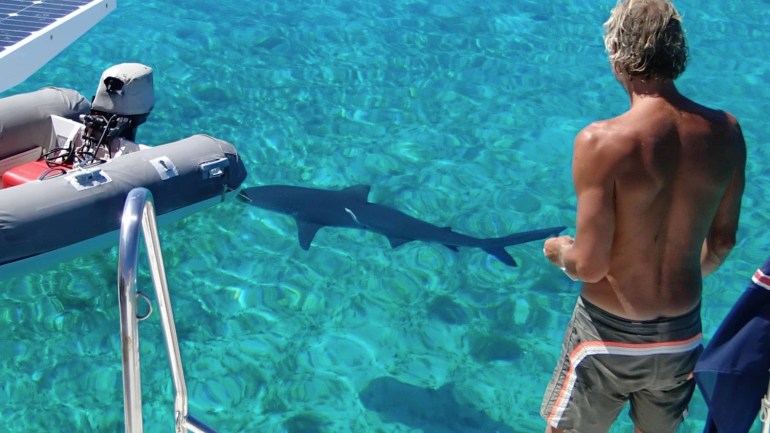
Anchored at Water Cay I was gutting some recently impaled fish when two nurse sharks appeared and started to swim around the boat.  They are well known to be docile and quite harmless to humans, always attracted to an easy snack if you are filleting fish on the back of your boat.  It’s still a real novelty for us to see sharks so clearly.  I’m fascinated by the way they swim, so powerful and efficient, I decide to jump in and free dive with a camera to get some footage.
spot the shark
One tolerates me swimming alongside for a while, then drifts lazily out of shot.  I turn to see a new shadow approaching, a beautiful shark emerges from the blue yonder, I dive and swim alongside, concentrating on framing the shot.  I notice this one is different.  Bigger, white underbelly, pointed snout.  That’s not a nurse shark.
I sense that I am too close and the shark doesn’t like it.  I surface and look up to see that I am now a good distance from Escapade.  Then I check on the shark who has swum in a small circle and straight underneath me.  It circles again and swims directly at me, but this time it has angled up from the sand and is coming straight for me at the surface.  At this point I miss the ‘Gopro Moment’ of the day and flick my fins between his head and me.  He turns inches from me and swims away.  I make my way across a boat length or so of recently chummed water, a leisurely swim as you can imagine, and scramble aboard where Dawn informs me that was not a nurse shark.
We think it was a bull shark, they are known to be a bit more boisterous than a nurse shark, and swimming with them is not recommended.  How big?  Bigger than me.

shark

16.03.16 Jamaica Cay
Still no wind, we motored south to Flamingo Cay for a night and then this morning arrived in Jamaica Cay.  A beautiful natural harbour surrounded by islets and reefs.  No other boats in sight.  We have now decided that the Nassau Grouper is our favourite fish to eat here, so I went and shot one for supper.
 
OLYMPUS DIGITAL CAMERA
17.03.16 Buenavista Cay
We sailed away from lovely Jamaica Cay this morning, we left only footprints and took only photographs.. and two coconuts.. and some grouper fillets.
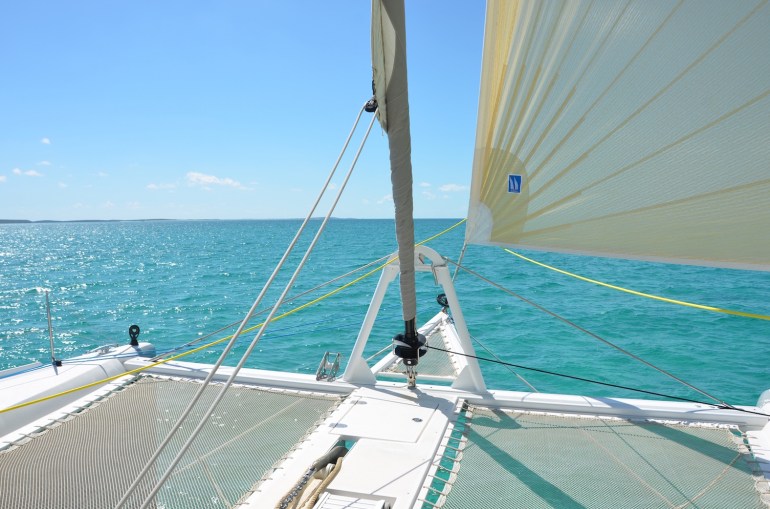
Finally the breeze is back, first sailing wind this week.  We hoist the code zero and full main and enjoy a 20 mile beat down to Buenavista Cay, the final approach over the shallow banks is really something, in 10kts of wind we are sailing at 9kts over flat turquoise water, 2.5 metres deep for miles.   We anchor off a mile of white beach, again, no other boats in sight.  Silence.  Except, was that a rooster crowing?  We go ashore on a paddle board and see fresh footprints on the beach.  We follow them up a rocky path and down into Edward Lockhart’s kingdom.
This guy really deserves a blog post of his own.  He is the sole inhabitant of this beautiful island where he has cleared a big area of bush and created a farm.  Here he has planted coconut and papaya trees, avocados, sweet potatoes, peas, melons, medicinal herb bushes.  He is also raising chickens, ducks, peacocks, 3 sheep and about 300 wild goats which he occasionally traps and eats or sends to market.  Supplies arrive when the passing island mailboat can land at his beach.  His simple timber house on the beach has weathered hurricanes Sandy and Joachin.  This week while we were hanging out at the farm he had raked hundreds of kilos of pure white sea salt from the salt pond half a mile away, chopped down a huge sea grape tree to clear more land and was excavating the root ball using a massive home-made tripod.  He carries water daily from a well for the animals.  He took me spearfishing around every coral head in the bay, diving and shooting fish.  Edward is 76 years old, but you’d never guess.  He was happy to have company and his stories are worth hearing.  He grew up as a boy on this island before travelling the Bahamas maintaining the lighthouses with his father, who was also a rumrunner during the US Prohibition.  He is a boatbuilder, joiner, sometime smuggler, has been in jails in Cuba (twice) and Nassau.  He once swam from Nassau to BVC diving for fish all the way.  Now he is enjoying his Cay and planning improvements: solar power, desalination and homes for his son and grandchildren.  Edward showed us his expert techniques for skinning and filleting a triggerfish, opening and skinning conch, which he cooked for us and served on his homemade furniture on the beach.  He cut a branch from his Lignum Vitae tree, stripped the bark with a whittling knife and presented it to me as a gift.  ‘For tenderising conch.  And if you have to hit a man with it he ain’t gettin’ up’.  It is heavy, fragrant yellow wood.  He tells me Lignum Vitae from this island was shipped to Scotland Yard in London to make truncheons!  They also grew grapefruit here that were so sweet they were presented to the young Queen Elizabeth, from a far backwater of her empire.  Our time anchored off Edward’s paradise was a taste of a real Out Island life.  Stories of his brothers, cousins, preachers, rum-runners, smugglers, Jamaican cocaine, Haitian rum, ‘teefin’ no-goods’ and all the characters of a life lived on these specks of land.
What a treat, our first inhabited Jumento!
Buenavista Cay, population: 1.
20.03.16 Ragged Island
After a quiet night at the rather formally named (but uninhabited) Double Breasted Cay, we have now arrived at the end of the Jumentos chain.  The settlement on Ragged Island is Duncan Town (population 40) where we are told there is a restaurant and internet! Will try to post this before we go. The weather is changing again.  The light easterlies have moved SE and freshened.  There’s another cold front coming.  A storm is swirling off the Carolinas to our north and the weather down here will be disturbed for a few days.  We plan to take advantage of the changes in direction to island-hop our way east to the Turks and Caicos.  This may be the last ‘Winter Norther’ of the season so it’s time to sail east while we can.
We are bracing ourselves for another culture shock.  After our Jumentos odyssey we will arrive in Provo where there will be cars, planes, shopping malls, air conditioning, internet and, with a bit of luck, pizza.
DSC_2294

View from the deck – water depth is 14 metres!

topsouth pt topfly 1
smaaackcut

Islands In The Stream

OLYMPUS DIGITAL CAMERA
Another Voyage

So we sailed away from the Dominican Republic, past the Caicos Bank to arrive on the southern shore of Mayaguana, the easternmost outpost of the Bahamas.  The trip was about 200 miles and Escapade just ate them up.  The winds were light, so we hoisted the full mainsail and unfurled the big red gennaker, the most canvas we can carry, total 180 sqm of sail.  That rig pulls Escapade along nicely and we were averaging 10 kts until nightfall when we reduced sail and slowed the boat for the hours of darkness.  This has become our habit now and we sometimes question it, particularly when the night is as benign as this.  The Caicos were protecting us from the Atlantic swell so we were sailing over almost flat water with 15kts of breeze on the beam and a huge full moon to show the way.  We could easily have left the big gennaker up, but we are short-handed and you never know when one of those 30kt squalls might pass by.  So we trundled on through the night at about 8kts with main and jib, and both slept well off-watch.

OLYMPUS DIGITAL CAMERA

At dawn we were both on deck and the gennaker was unfurled again for the final approach to the island of Mayaguana.   A nice fish was just being reeled in, splashing towards the boat when a large black fin appeared, the line went slack and our lunch had been stolen.
We had covered the 200 miles in about 23 hours of really enjoyable sailing with the wind gradually veering so we could ease sheets onto a broad reach.  Finally we dropped sails and motored carefully between coral heads at the entrance to the glorious aquamarine lagoon of Abrahams Bay.
OLYMPUS DIGITAL CAMERA
Another Country
The Bahamas consists of 700 inhabited islands and thousands of uninhabited islets and cays.  There is more coral in the Bahamas than Australia’s Great Barrier Reef.  I have always wanted to sail through these islands.  I’ve heard about the tricky weather and very shallow water, but we have the right boat for that now.  We have arrived at the easternmost tip of the chain which stretches 450 miles west and north towards Florida. Up that way is Nassau, cruise ships and casinos.  Down here we are in the ‘Out Islands’, and this place is the end of the line, the ‘first and last’ port of entry to clear in or out of the island nation.
We anchor in 2 metres of transparent water over white sand.  The lagoon is 5 miles long, only one other boat in sight.  Looks like our kind of place.  We dinghy ashore to clear customs and explore the settlement, didn’t take long.  There is a bar/restaurant (closed, owner away), a grocery store (empty shelves, no supply boat for 10 days), a school, church, a few chickens running around, and that’s about it.  Total population of Mayaguana approx 200.  The customs officer described the general pace in the island as ‘slow’.  I’ll say.  Anyway, we’re not here for the nightlife.
The lagoon is beautiful, after a quick recce on a windsurfer, we dinghy out towards the reef and go lobster hunting with snorkels and spear.  Dawn spots the twitching antennae and locates a gang/herd/posse (collective noun for lobsters anyone?) of fine specimens shuffling around in a coral cave.  We spear a couple and swim back to the dinghy pursued by a large barracuda who is clearly attracted by the vibrating and squeaking of a big spiny lobster struggling to attack me despite the fact that he has a spear through his head.  A spectacular seafood supper on board with our friends from Think Good Thoughts who have arrived and anchored nearby.
DSC_2212
Weather
In all of our travels ‘Down Island’ over these last two winters, the weather forecast every day, had we bothered to get one, would have been something very like this:
Temperature 25-28 C, Wind E 15-18 kts, gusting to 25kts in squalls.  Mainly sunny, partly cloudy, occasional showers.
That’s usually it for the Lesser Antilles, maybe a bit N of E, sometimes a bit S of E, but basically Easterly trade winds every day.  So you start to look at anchorages in a sort of two dimensional way, knowing that you will always be swinging to the rising sun and watching the it go down aft of the cockpit.  (So convenient for sun-downers.)  Sometimes the trades will pipe up and blow 20 kts for a few days, sometimes backing off to 10-12 for a bit, but the above forecast would cover most of our time in those islands.  So we would often cruise up to a beach and drop a hook in very shallow water, backing off on enough chain but without much concern for a big change in wind direction.  I remember the wind did once try to blow out of the west for a couple of hours when we were anchored off Barbuda, it felt like a major disruption to the laws of nature and we could have ended up on the beach had we not been spooked earlier by the weird weather and moved to a new spot.
Here in the Bahamas we realise how spoilt we have become by all those predictable E trades.  Now we are far enough north to feel the effects of winter storms rolling down the east coast of USA, as well as more general, swirling, chaotic, old fashioned, weather.  We’re not used to this!  It takes a bit of planning and research.  We need to download GRIB weather files from our satellite phone and check pilot books.  Will today’s comfortable anchorage still work in tomorrow’s wind?  As I write this the wind has swung from S to N this morning, I may go and have a look at the anchor again.
We are still in the tropics, just, but this does feel like a new dimension.
(I realise how ridiculous all this will sound to my sailing friends elsewhere, in Guernsey, for example.)
We spent a few days in Mayaguana as a front passed and the wind clocked around our anchor. Fronts bring a nice windsurfing breeze!
OLYMPUS DIGITAL CAMERA
Lovely Bay
The front passed and we had a great forecast for the 60 mile hop to the next stop: Acklins Island.  Dawn had researched an anchorage called Lovely Bay which didn’t even get a mention in our Bahamas guide book.  The entrance is through a reef pass and the bay is very shallow, not much water for a monohull but we only need a metre with the daggerboards up.  Soon we are swinging in a gigantic shallow turquoise swimming pool, tucked in behind reef fringed islets.  The bay is vast, miles across and no other boats in sight.
Ashore we meet Dick who has spent the last 16 winters there and tells us we are the first visitors to the bay this season!  Acklins was hit by Hurricane Joachin in October.  The storm was tracking way North off Carolina, then it turned south and headed straight for these Islands, where it stayed and blew for three days.  A freak storm. The damage was devastating. the water in the huge ‘Bight of Acklins’ had been blown over the island which was then deep underwater.  Roads destroyed, buildings blown away, fishing boats ‘just gone’.  Remarkably nobody was killed.  Lovely Bay is now just slightly less lovely having been stripped of many of the hundreds of coconut palms along the shore.  One morning I was running along a dirt track hurdling the wrecked power lines and uprooted palms, this whole area had been a metre under water at the height of the storm.  But all around are scrub bushes, mangroves, fragrant wild herbs, sea grape trees, yuccas and young palms all thriving.  And the lizard population seems to have shrugged off the storm.  Destruction and renewal.  Dick directed us to an abandoned watermelon patch and told us how to spot a ripe one.  Down the track, there they were, planted before the hurricane, lying on sunbaked sandy ground where you would expect nothing to grow, somehow inflating themselves with fresh water and sugar.  We scrumped as many as we could carry.  The sun shone down on Lovely Bay, we windsurfed, snorkelled the reefs, caught more lobster and watched the stingrays gliding under the boat.  But then the weather threatened a change and it was time to make a new plan.
DSC_2270
Crooked Island
We hardly ever use our engines except on arrival and departure from an anchorage. Escapade can reach at 6kts in 6kts of wind, so the motors don’t get much use.  Actually we have only topped up the diesel tanks twice since we left France in 2014.  There is always breeze in the Caribbean, but not always up here!  In about 3kts we motorsailed along the reef to the lighthouse at the NW tip of Crooked Island.  We took a paddle board ashore to the storm-ravaged settlement at Landrail Point.  This place got hit the hardest, we saw homes filled with sand, roofs blown off and debris scattered everywhere.  The community are rebuilding.  Everyone in town is now a builder.  We had a great supper of fried grouper at the only restaurant for miles around, if you’re passing through be sure to reserve a table with Willhamena at Gibsons Lunch Room.  These ‘Out Islands’ feel so remote.  It was interesting that the Americans we met that night were from the wilds of Alaska and Minnesota.  They have winter homes here and they are used to living in tiny isolated communities.
OLYMPUS DIGITAL CAMERADSC_2260
Where is everybody?
You know how wherever you go, people say “oh you should have seen this place 30 years ago, there was nothing here”.  Everywhere has become more developed, busier, more people, more buildings and cars.  Not here.  The populations of the Out Islands have been falling for years.  In the 1940s Lovely Bay was home to thousands, fishing, growing crops and exporting food around the islands.  Now there may be 100 people left, more abandoned their homes after the storm.  Our pilot book listed the population of Mayaguana at 500 but that was published 5 years ago, now less than half, the same on Crooked Island.  I don’t think we’ve ever been to a place where the normal forces of ‘progress’ seem to be in reverse.  At the current rate these places will all be abandoned in a few years.  But the islands are wonderful and the water surrounding them is just stunning, crystal clear shallow seas.  We have sailed past more anchorages probably all as lovely as Lovely Bay, you could spend a winter exploring here and hardly see another boat.
 OLYMPUS DIGITAL CAMERA
Islands In The Stream
This title is borrowed from Hemingway’s novel set in the Gulf Stream waters of Cuba and the Bahamas, based on his experiences hunting U Boats here in WWII. I read it recently, great descriptions of life on the lagoons and an epic account of a boy’s long and brutal fight with a big fish that finally evades him. Somehow the lost fish becomes more significant than if it had been landed. Very reminiscent of Mike’s giant tuna off Morocco; a long hard struggle brought the fish almost within reach of Escapade’s gaff. Those who were on board that morning won’t forget Mike’s ‘one that got away’.
These waters are so fishy we are trolling small lures and hoping we don’t attract anything too big. And if we are lucky to hook a sensible sized fish, it’s a rush to get it on board before something bigger takes an interest!
OLYMPUS DIGITAL CAMERA
Long Island
Our supplies were running low. Protein is easy, we have been catching fish and diving for conch and lobster, but it’s nearly two weeks since our last supermarket in Puerto Plata DR and our fruit bowl is down to half a watermelon and a few limes.
In search of a tomato, we set a course for Clarence Town Long Island, 35 miles away.  We dropped the hook in yet another blue lagoon.  (Blah blah, turquoise, blah, white sand, blah, coconuts, blah blah).
Ashore we find another sleepy settlement.  I asked in a gas station where the nearest grocery store was. “Storm blew it away”.  We saw it, the empty fridges, freezers and food counters were still standing on the concrete floor but the walls and roof were ‘just gone’. The only other person around was Marcus who was paying for his fuel and kindly offered to drive us all over the island to get our provisions and back to the dock.  A twenty mile round trip and impromptu tour of Long Island for which he would accept no payment.  What a guy!  Typical of the warm and generous hospitality shown to us strangers in the Out Islands.
OLYMPUS DIGITAL CAMERA

Grocery Store After Hurricane Joachin


So we scored green tomatoes which are now ripening in the sun.
We have only seen four of the Bahamas so far but they are already rating pretty high on the ‘Escapade Island Ranking’ scale.  Next update soon..

Hispaniola

DSC_1986

We made a quick detour to the Dutch island of Curacao, crashed into the biggest Mardi Gras carnival in the region, failed to find a blue cocktail , stocked up on fruit and veg, then sailed 400 miles North.

OLYMPUS DIGITAL CAMERA
 

Dominican Republic

I was last here on a windsurf trip 25 years ago. I have fond memories of the chaotic, hispanic, tropical country where everything was cheap and easy going.
A few pesos would buy fried fish, tostones and shots of rum with friendly toothless locals in a brightly painted wooden shack with scratchy merengue on the radio. The mountains were covered in steamy jungle with potholed roads and dirt tracks.

I was looking forward to a second visit.

 DSC_2163


Casa de Campo

After a great sail and two nights at sea, we arrived at our port of entry on the south coast of DR so we could clear customs and immigration. We had chosen a convenient spot called Marina Casa de Campo, without knowing anything about it. We don’t really do marinas. This was the first time Escapade has been in one since the BVI Regatta last year.  Our berth was surrounded by huge game-fishing boats and everyone seemed to be travelling up and down the concrete jetty in golf carts. Having been boarded by officers from Customs, Immigration, Port Control, Navy, Sanitation and the Drug Squad, we set out on our Brompton bikes to explore Casa de Campo. This development is a huge corner of the country which has been securely gated and declared a private playground for wealthy folks from around the world. As well as the largest marina in the Caribbean it has four 18 hole golf courses, helipads, a polo field and hundreds of houses changing hands for up to $25 million! Not really the DR I remembered. And not really what we were looking for, but I try to remain open minded about these things and before long we were enjoying lavish 5 star dining in beach clubs and accepting rides back to the boat in a restaurant’s complimentary stretch golf cart.  All quite enjoyable after a long sea voyage, but something is missing here, I want to find the toothless guy in the rum shop, and he’s definitely outside the gates of this place.  So after a couple of nights in the most spectacular resort we’ve never heard of, we sailed away to the beautiful island of Saona off the SE tip of DR.
 
DSC_1968OLYMPUS DIGITAL CAMERA
Isla Saona
A quintessential Caribbean anchorage, this blog often refers to coconut trees, white sand, turquoise water etc, well it was one of those. As the sun rose the next morning we enjoyed the tranquility, a few fishermen launching their brightly painted boats from the beach.  We drank tea and reflected on the contrast with the swanky marina.  Then the day-tripper boats started arriving.  High speed skiffs loaded with tourists came speeding through the anchorage. dozens of them, then helicopters!  Buzzing in to land on the white sand.  Saona has become a major day trip industry.  As we leave to sail along the coast there are hundreds of day boats and the desert island beach has become a busy town for the day, until they all go back to the mainland at 4pm, by then we are sailing away in the sunset.
 
The whales of Samana
Our next stop is the huge bay of Samana in the NE of DR, a hundred miles away, up through the Mona Passage.  We have read that for a few weeks each year humpback whales arrive in the bay.  They come here to give birth to baby whales and do a bit of breaching and tail slapping.  We are told they congregate at the mouth of the bay.  We have sailed close to whales a few times over the years and it is always a pretty intense experience.  Now we have planned an overnight sail to arrive in Samana at daybreak,  and we here are at exactly the right time of year to see the humpbacks.
 
DSC_2096
Thar she blows!
Dawn wakes me at 7, I have only slept four and a half hours but she tells me we have arrived at the bay and whales are blowing all around.  I jump out of bed.
We see a few spouts, they seem to surface for three breaths, three ‘blows’ before sounding again, although we are only in 20m of water here so they are not going far.
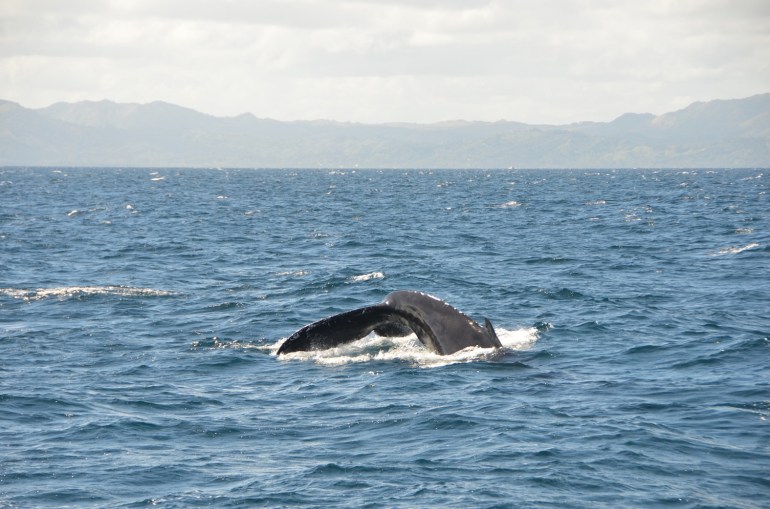
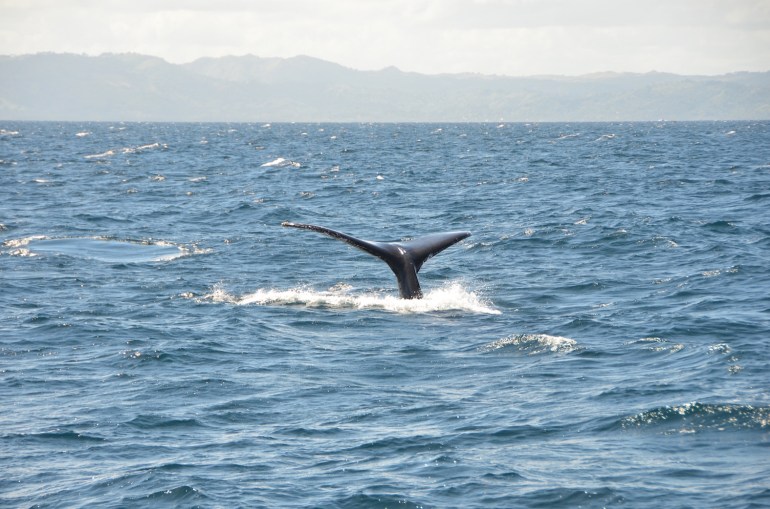
In the low early sunlight we see a whale’s tail standing high in the water and repeatedly slapping the surface.  We sail a little closer and the performance continues.  This huge animal is doing a headstand and whacking the sea with his tail flukes causing a spectacular white water show.  We have since looked up this behaviour, it is well known in humpbacks, but still not fully understood.  That whale was using lots of energy.  Attracting a mate?  Shaking off barnacles?  Threatening catamarans?  Can’t say but it was a very impressive welcome to the mouth of the bay.
DSC_2012
By now we had rolled the jib and were quietly sailing between the reefs at about 5 kts. Whales all around, blowing near and far, more tail slapping in the distance and occasionally leaping completely clear of the water and landing on their backs.
One of these breaches was right in front of us, we both turned in time to see the splash caused by a 20 ton back-flop.  As we neared the far side of the bay the sun was higher and lots of whale watching boats had joined us.  It was there that whales started to surface very close to us.  We think a mother and calf on one side and then the closest encounter.  I love the way whales dive, the bodies are so large and the porpoising movement seems to be in slow motion as all that seawater gets displaced.  The head appears, then the hump, all slowly rolling forward and exposing the long back and finally the tail flukes lift and the whole huge beast slides beneath the boat.
DSC_2075DSC_2133DSC_2140DSC_2061
Santa Barbara
Next stop is the town of Santa Barbara where we deal with a strange interpretation of a port authority law which requires us to show our appreciation in 1000 peso notes to a large cast of local officials, some armed.  We also go on a wonderfully colourful provisioning trip to the local market in a motorised rickshaw and I have plenty of opportunities to re-aquaint myself with the authentic toothless rum pourers.

San Lorenzo
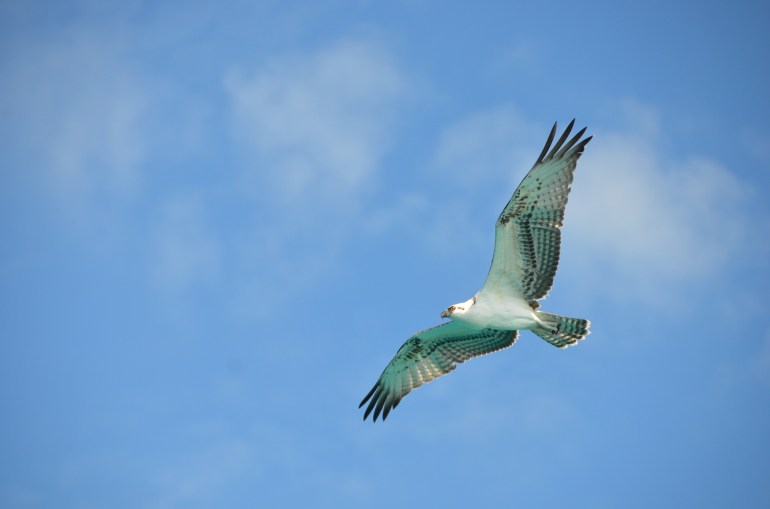
This was really something.  We sailed 10 miles across the bay and into a vast wild lagoon. We dropped anchor in the lee of jungle covered cliffs with misty mountains beyond.  Eagles and pelicans soaring above a timeless scene.  We stayed a couple of days anchored in the primordial soup.  Silence.  We explored mangrove creeks and caves, and ate our way through the huge fish I had caught on the way in.  Anyone know what this is?
Next was another overnight sail north to Puerto Plata.  We left Samana bay at sunset with the whales surfacing around us and a final send off from a pod of dolphins playing in our bow wave.

Cabarete
The windsurfing beach on the north coast and the reason for my visit all those years ago. We tied up Escapade in Puerto Plata and loaded a rented pick-up with surf and windsurf gear for the drive along the coast.  Cabarete was unrecognisable from the road.  Fully developed now with kite hotels all along the strip.  The beach is still beautiful with a mellow reef break across the whole bay.  Fun to be sailing there again and to be ashore for a few nights.
It was all just a bit too busy!   Hundreds of kites and even when Josh and I snuck off to the beautiful surf spot at Encuentro for a dawn patrol, we met a lot of surfers who had the same idea.
So back to the boat and ready for the next country.   Maybe we can find some slightly less crowded waves at our next stop?  We set sail for the Bahamas.

OLYMPUS DIGITAL CAMERADSC_1990

Bonaire

ascend

Our first impressions of Bonaire were not great. We arrived on a rare grey day and were reluctant to re-enter the developed world after all our off-grid island hopping.

The south of Bonaire is low-lying so the trades blow out across the smooth water in the lee of the island.  It was breezy as we reached up to the town of Kralendijk under full sail and arrived at the moorings at 12kts!
It is illegal to anchor anywhere in Bonaire.  All visiting sailing boats live on the moorings provided just off the town.
This is part of the protection of the reefs and marine environment in which Bonaire has long been a world leader.  The entire island was declared a Marine Park in the 1970s, way ahead of the rest of the region.  The results are impressive, the marine life here is the most varied and abundant we have seen.  The water is clean and transparent.  This has become the main attraction to the island and it has developed in to a world class diving centre.
Dive schools, dive shops, dive resorts all around, it seems that most visitors here come to dive.  We had decided it was high time we got PADI certified and we had heard that this is a great place to do it. 
We settled on our mooring, a short dinghy ride from our dive school jetty on one side and the town dinghy dock on the other.   All very convenient, but there is a road running along the coast, not far from the boat. 
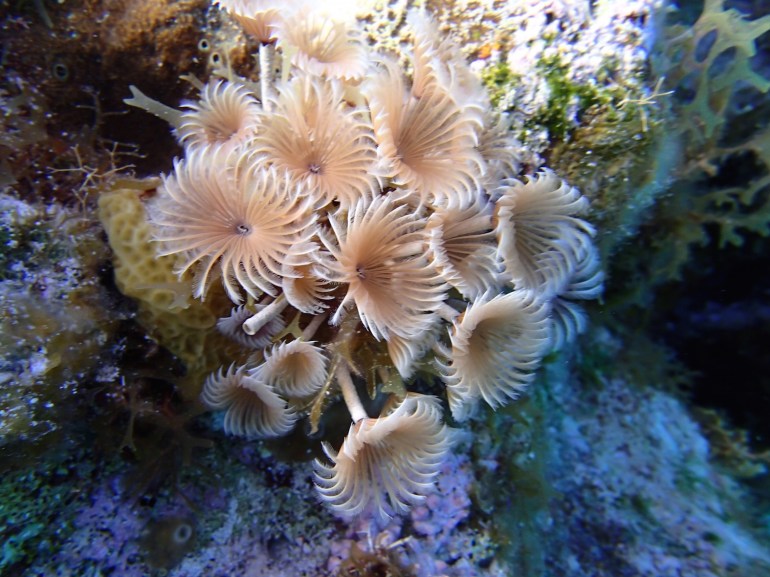
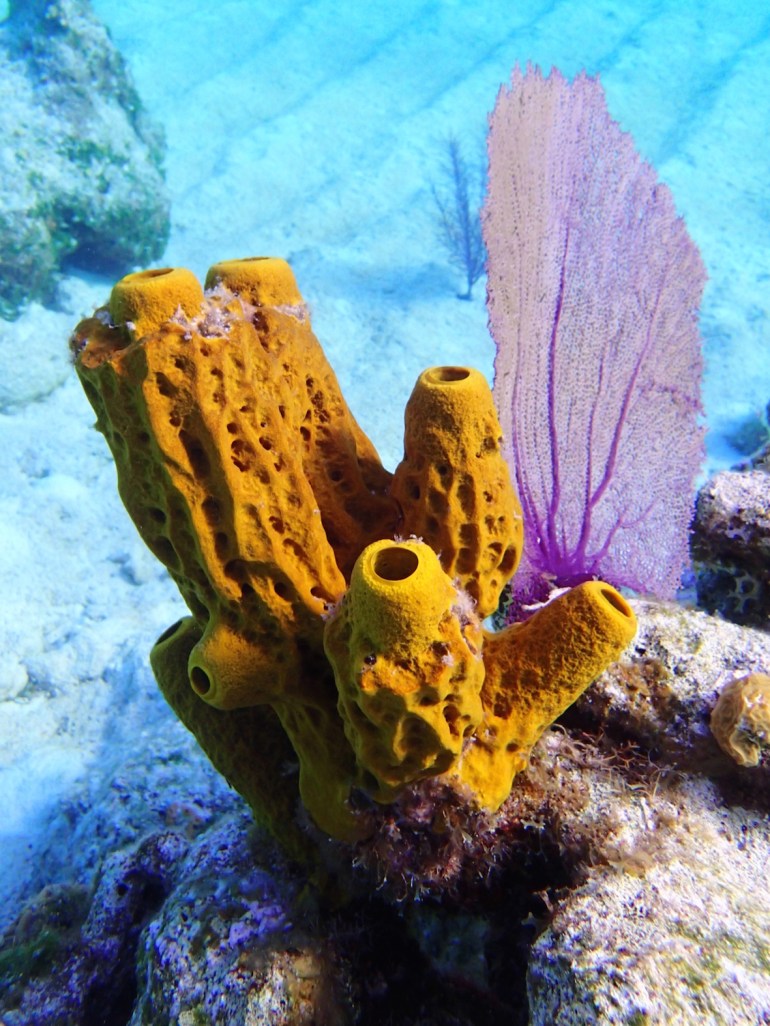
We hadn’t seen a car for weeks.  Here they are hard to ignore, one popular Bonaire car modification is to replace the back seats with enormous speakers.  These mobile bass bombs cruise the streets very slowly with hip hop playing at road-shaking volumes, rattling the windows of buildings as they pass.  Then there are the stretched street bikes, unable to ride anywhere without revving their engines as though on a starting grid, but most amusing are the mopeds, for whom the wheelie is the standard way to travel down any straight piece of Bonaire road.  These kids are so good at it, they can sustain mile-long moped wheelies on their way to school, with their girlfriends on the back.  And at weekends they like to party here.  So it’s not the most tranquil place to swing on a mooring, a bit of a culture shock but still wonderful most of the time, and we are sitting in an aquarium.  It’s worth just snorkelling round the boat to see what swims by.  Schools of big silver tarpon, hawksbill turtles, rays, jacks and just thousands of small fish jumping all around.
Angel
We rented a truck and toured the island.  It’s not big, but quite fun.  A national park in the north with craggy rock formations and cactus like a Mexican desert.  Donkeys, goats, iguanas and flamingos in large numbers.  We had a very good iguana stew one lunchtime.  Salt ponds in the south, and a beautiful shallow lagoon at Lac Bay, this is on the West coast, so open to the trades but protected by a reef.  The lagoon is huge, turquoise water over white sand and knee deep.I can’t think of a better place in the world to learn to windsurf.  There are a couple of windsurf centres there and how’s this for serendipity?  On the first island we come to after Los Roques, we find Tino and what must be the best windsurf board repair shop in the Caribbean!  His work cannot be rushed, but thanks Tino for a beautiful job on my dinged-up Quatro.  We spent a great Sunday afternoon at a West Coast cookout, fried mangrove snapper, lobster and cold beers under a tin roof with the locals dancing to a couple of rum-fuelled guitars.
But the real draw here is the diving.  Bonaire is surrounded by a narrow fringe of reef, beyond which there are dramatic drop-offs to great depths.  It is this ribbon of reef that offers exceptional scuba diving at hundreds of sites around the island, at most of these you can just park your car, put your tanks on and walk in to the sea.
 
OLYMPUS DIGITAL CAMERA
Going Dutch
Last season we were in Sint Maarten, another Dutch island, but the culture there seemed more American. Bonaire is now a part of Holland, and it really feels like it. The local language is Papiamento, a patois of Portuguese, Spanish and Dutch, but if you are in town, in a restaurant or in a supermarket, it’s really like being in Holland.
We replenished our ship’s stores with cases of Heineken, jars of herrings, wedges of gouda and a pack of stroopwafels. 
 
Think Good Thoughts
We first crossed paths with our friends from California, Josh and Suzee, in the BVIs last spring.  They set sail around the same time as us, on ‘Think Good Thoughts’, an enormous Voyage 500 catamaran.  We ran into them again in then in Antigua, Grenada, and now here we all are signed up for a scuba diving course together.
 
PADI school
So we finally got around to scuba diving! As a child I was fascinated by diving, Jacques Cousteau, Flipper and all things sub-aqua.  As an adult I just never found time for it.  I have always said that’s something to do when I’m old, I was too busy chasing waves, or working.  Now we have time for this, so here we are in a classroom, doing all the theory exams and getting to grips with all the kit.  Must be getting old.
We were at the Dive Friends school where the ‘pool’ training is the beach in front of the shop. So you go through all the exercises in 3m of clear water with all kinds of fish swimming by, amused by the antics of the latest batch of students.  Then you are free to swim beyond the classroom area and out over the reef.  After a lifetime of snorkelling, scuba diving is a treat.  The luxury of neutral buoyancy and an air supply, just hovering above the reef and watching the world go by.  Actually those first few dives we were all over the place, crashing in to each other as we learnt to fine tune our movements.  We found all the gear very cumbersome, I suppose you need to spend more time down there to transcend all the man-made stuff.  To us as beginners, the experience was dominated by equipment: bouyancy control, watch, dive computer, air pressure gauge, depth gauge, adjusting to breathing compressed air with all the bubbles and the Darth Vader sound effects, it’s noisy down there!
nutter
Great to do the course with lots of added fun and humour from Josh and Suzee, and our patient instructor Davy.  We had a slight hold-up as Dawn had a problem with her ear which kept her out of the water for a few days. Now we are officially certified Open Water Divers!  To celebrate Davy took us diving from our tender at his favourite spot.  It’s interesting to see how creatures respond differently to you when scuba diving.  I have always found turtles to be quite timid when I’m snorkelling around them.  A large turtle appeared around the reef as the three of us were just hovering above the coral, he swam by unconcerned, very close to us. I suppose a turtle that size on Bonaire has seen a few divers in his time.
 
OLYMPUS DIGITAL CAMERA
Freediving?
(Freediving is the sport of diving without air tanks.)
In Los Roques we met a young Aussie couple who had sailed their 45′ Beneteau ‘La Vagabonde’ from Italy, not unusual round here, except that they are at least a generation younger than most yachties, and when they left they didn’t know how to sail a boat!  (That’s another story, have a look at their blog: www.sailinglavagabonde.com, all very entertaining). Anyway, these two, Riley and Elayna, are both accomplished free divers and we started to chat about it.  They are diving to 20m to shoot fish with spearguns.  I’m impressed.  I always remember the deep-end of public swimming pools in the 1970’s was 12′ 6″.  That’s still my benchmark for deep!  I used to struggle to get down there.  I’m not great at holding my breath but I’d like to be better.  Sometimes I need to scrape barnacles off a prop, dive on an anchor, retrieve something I dropped over the side, get rinsed by a big wave, all good reasons to hold your breath.  Riley explains that they have been trained to ignore the body’s physical signals to surface for air, knowing that they can stay submerged far beyond the normal ‘urge to breathe’.  We are intrigued, they recommend that we go on a free diving course and we’ll be able to do the same.  I started timing my duck-dive descents while snorkelling.  30 secs seems about right, 40 at a push.
 
Carlos Coste
Strolling through Kralendijk we see a sign for a Free Diving School, run by World Record holding free diver Carlos Coste.  Carlos has been free-diving since the 90’s, when it was thought that humans without scuba gear could not survive deeper than 30m.  He confirms everything that Riley has told me.  Most of his students start by holding their breath for 30 seconds and diving to 4m. (12’6″!) With training their breath hold is 2 minutes and they easily dive to 10m.  What’s going on here? We need to find out, so we sign up for the AIDA2 Free Diving course.  For Carlos, Bonaire is a free diving paradise, constant temperatures, a whole coast of sheltered flat water, great visibility and easy access to 200m depths. (Yes, free divers go down there!)
carlos bubble
We start with theory, physiology of the respiratory system, blood oxygen and CO2 levels, pressure equalisation.  Then we move on to yoga, relaxation and ‘belly breathing’ exercises.
This is really the key to free diving, putting your mind and body into a very relaxed state enables you to surpass all the boundaries you thought you were limited by.  Carlos soon has me lying face down in the sea and holding a single breath for 1m 30s.  I’m impressed, the day before I was pretty sure that was not possible.  We keep practising relaxation, belly breathing and breath holding, gradually becoming more comfortable with higher levels of CO2 in our bodies.  We also study the theory and biology of free diving and ‘The Mammalian Dive Response’ which we share with seals, dolphins and whales.  This stuff is fascinating, but we are really starting to understand that breath control is mind control, these techniques are closely linked with yoga and meditation, Carlos has been practising very advanced yoga and breathing exercises for decades, he is now able to enter a mind state which allows him to achieve extraordinary feats underwater.  For me it is about learning about my own mind and body, and finding we are capable of much more than we realise.
 
26.01.16
Today we were practising the classic free dive discipline of ‘constant weight’ diving. It means that you swim down to a depth and back up with only your weight belt. (As opposed to ‘Variable Weight’ dives where you can descend using a heavy weight, or holding a big rock like the Pacific pearl divers used to.) 
It is beautifully simple. Mask, fins, weight belt, a smooth duck dive, and then fin vertically down with a streamlined head and body position. To help our orientation, Carlos positions a buoy behind his boat, from the buoy a weighted rope hangs down like a plumb line. There is a tape mark at 5m, a tennis ball at 12m and a bunch of dive weights at 13m.  It looks like a long way down.  Carlos coaches us in the techniques we need, equalising the pressure as we descend, encouraging us to go deeper and deeper with each dive.  First to the tape, turn and ascend.  Then to the tennis ball, and finally all the way down to the weights, hang for 5 seconds, enjoy the view and the neutral buoyancy.  It is a deep blue down there with fish swimming all around.  The visibility here is beautiful, from down there I looked up at the surface, shimmering so far above.  The tiny silhouetted figure of Dawn floating at the buoy, waiting for her turn.  I have 40 feet of water above me but I am calm and relaxed.  Carlos gives the signal and I start to ascend, slowly finning to the surface.  Big smiles back at the top.  Then it is Dawn’s turn.  She surprises us – and herself – by duck-diving and swimming 10 metres down the rope, hanging there for 5 seconds to enjoy the view and then calmly rising back to the surface.  My wife has become a mermaid.
In free diving this is nothing, part of a standard training warm-up session for deeper dives. For us today it felt like a huge accomplishment, something I just did not believe I would be able to do before we arrived in Bonaire.  Hey Riley, you were right! 
 
descend
30.01.16
In today’s dreaded ‘Static apnea’ test I tried to stay relaxed and hold my breath whilst floating face down in a pool.  I had been trying to do this sitting on Escapade this morning without much success, struggling to do one minute.  Now at the pool Carlos was there with some gentle coaching, breathing exercises and then keeping me calm as I worked through the abdominal ‘contractions’ and all the other ‘urge to breath’ triggers in my mind and body.  I kept my mind empty and floated in blackness with my eyes closed, time passes, I’m in the zone. I was there for two and a half minutes!  I continue to surprise myself.  Then it’s into the dive boat and out to sea for more practice finning down the rope to retrieve a clip.  Carlos again asks me to ‘hang’ at depth for a few seconds before ascending.  If I’m relaxed these moments down there are very cool.  You can enjoy the depth.  During one of these five second rests about 30 feet down, a 4 ft tarpon came lazily swimming by. 
My deepest dive today was 14m.
 
carlos

Carlos Says “Relax”

02.02.16 Last day with Carlos. 
To complete the AIDA2 course I need to dive to 16m.
The course is well structured, we passed the theory exams and we have now established:
 
I can now hold my breath for 2mins 30secs. 
I can equalise pressure as I descend.
I can swim 40 metres horizontally under water, on one breath.
So why not just swim 20m vertically down and 20m vertically back up?
Why not?
And that is really the interesting part.  However well you rationalise your ability to do it, your mind and body will scream at you to turn around as the pressure starts to build.  So free diving is simply shutting out that mental noise and calmly swimming down.  That’s it.
This time we attach the buoy to Carlos’s deep mooring and drop the rope in about 40m of deep blue water, you can’t see the bottom which is a bit spooky.  He tells me there are some huge tuna down there.  After some warm-ups and pull-downs Carlos notices some stress in my movement. He asks me to hang for 10 seconds at 10 metres. Easy. That seemed to put me in the zone and I go for my first ‘constant weight’ dive.
 
Here’s what it’s like in my head:
 
Relax on the surface, looking down, belly breathing through snorkel.  Relax, breathe, relax.
One Deep Breath
Pre-equalise
Duckdive
Head down, strong fin kick, align to the rope.
Equalise
Straight down, kick steadily.
Equalise
Relax, down you go.
Here’s the 10m mark.
Relax.
Equalise
Finning vertically down, head first.  Just watch the rope sliding by in front of my mask.
Equalise
Oh cool look at these fish!
Equalise
Starting to feel the pressure, exhale a little air into the mask
Its getting darker, relax..
Contraction in my chest, ignore it.
Equalise
Now I am negatively buoyant (around 15m) I am sinking head first.
Relax
You are supposed to enjoy this ‘free fall’ section, but maybe not the first time..
Equalise
Relax!
Equalising is getting a bit more difficult and squeaky down here.
Relax!!
Here’s the tennis ball. Made it! Grab the ball and turn. 
Look up, the surface is a long, long way above, enjoy the moment.
Now the easy part, start finning up
Another contraction, but I’m fine, plenty of time and I’m ascending.
Up towards the light.
Steadily finning and now accelerating back to the top.
Sunshine
BREATHE.
hang
I didn’t know at the time, but the tennis ball was at 19.7 metres, 65 feet! 
3 x Atmospheric pressure.
 
So that’s the end of the course.  Over these weeks we have had a glimpse of the world of free diving.  Those few moments at the bottom of the rope still seem to defy everything I thought I knew about my own ability.  Just being in the water with Carlos has been an extraordinary experience.  The guy is part dolphin.  If anyone is interested in trying free diving, consider a trip to Bonaire. See more at Carloscoste.com
 
DCIM103GOPROGOPR4421.

Carlos & Israel

Time to leave Bonaire
Our usual timekeeping, we came for a week and stayed for a month. But we learned a few things on Bonaire. All that studying was stimulating, old dog new tricks etc, we have a new perspective on the water below us. 
My new sail and boom arrived! Many thanks to the Global Logistics department at pritchardwindsurfing.com for sorting all that out.
Time to sail away again, next stop Curacao..
Newer Posts
Older Posts